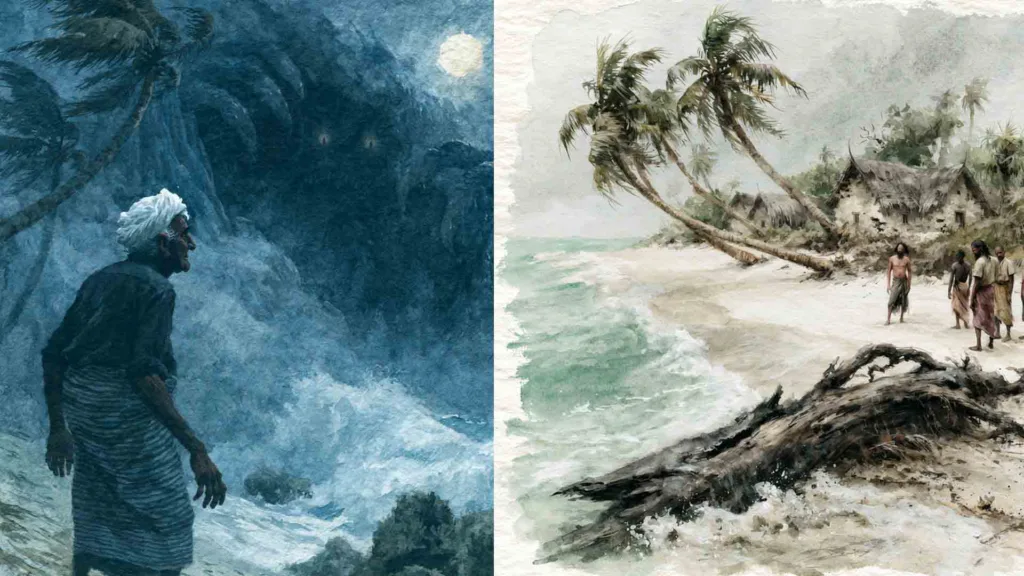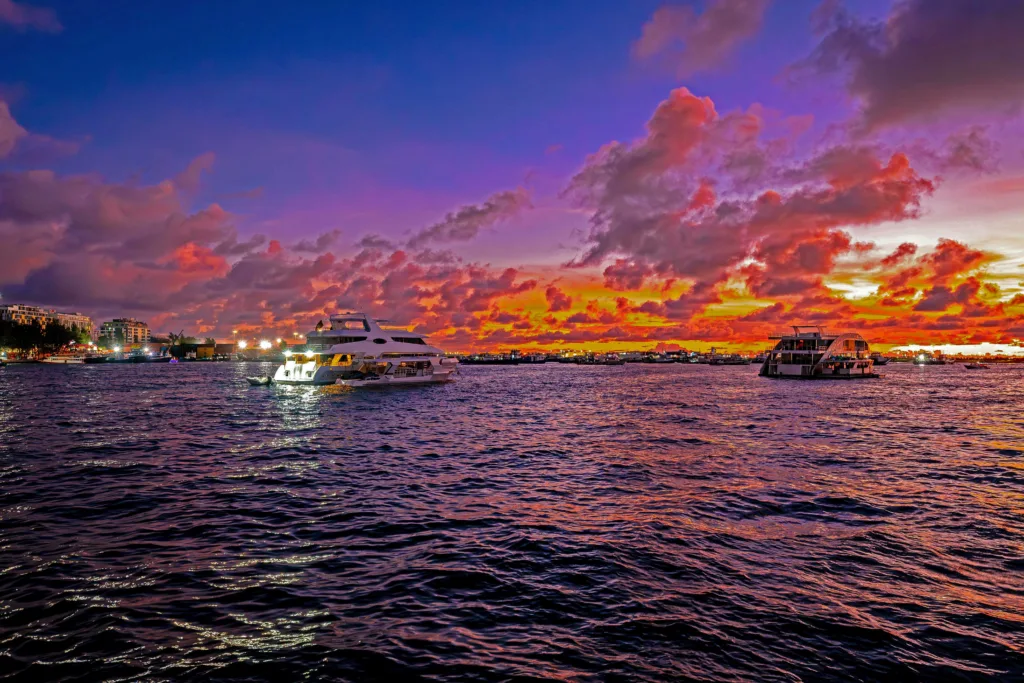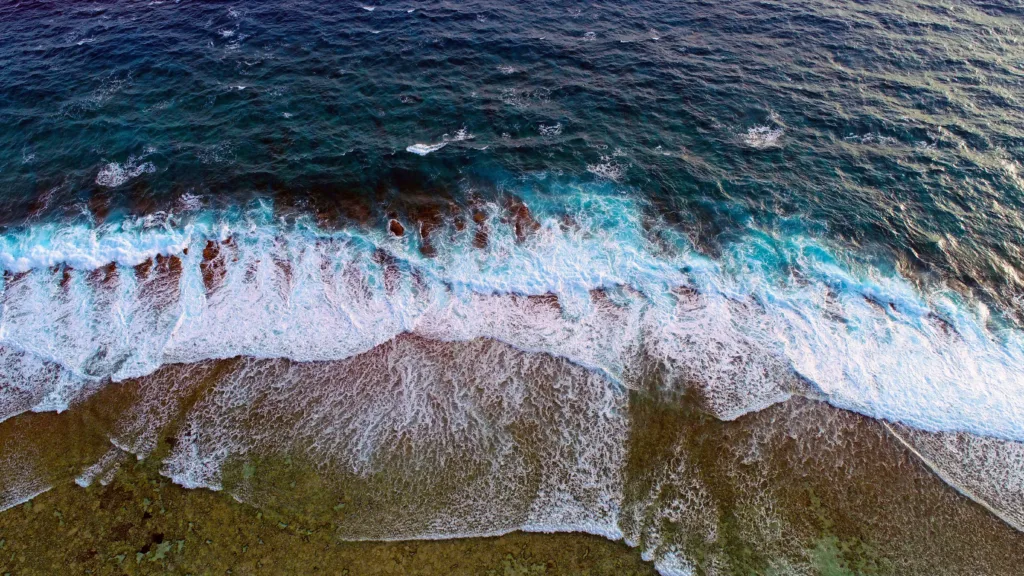
In the crystalline turquoise of the Maldivian lagoons, the world feels bounded and safe. But where the reef-flat terminates and the seabed plunges into the ink-blue void of the kandu—the open sea—a different order of existence begins. Here, patrolling the liquid border between the known and the infinite, swims the shark, known locally as the miyaru. In the Maldivian psyche, these are not merely apex predators; they are the “sentinels of the abyss,” ancient guardians of a maritime frontier where the spiritual and the biological intersect.
The Modern Paradox: From Shadow to Superstar
Humans categorize the natural world into the “adorable” and the “fearsome.” Historically, the shark has been the ultimate villain in the human drama of the sea. In the Maldives, this fear was once a practical necessity.
Yet, the 21st century has seen a radical shift. With the explosion of global tourism, the shark has been “rebranded” from a silent killer to a marine icon. Today, species once avoided are the lifeblood of a thriving “blue economy.” While occasional encounters serve as visceral reminders of the predator’s immense power and the wildness of the deep, the modern Maldivian perspective has evolved: the primal fear of the past has matured into a lucrative, protective respect.
The Historical Shadow: Pyrard’s Chronicles (1602–1607)
The French navigator François Pyrard de Laval, shipwrecked in the islands for five years, documented a relationship defined by terror. He described the seas as so crowded with sharks—which he called Paimones—that falling overboard was a death sentence.
“I have seen many people crippled, missing arms or legs, which these monsters had snapped off while they were fishing.” — The Voyage of François Pyrard of Laval
Pyrard’s accounts provide the “grit” to the folklore. He observed that while the shark was a source of “continual dread,” it was also a vital resource. Maldivians hunted them for their liver oil, using it to coat the wooden hulls of their dhonis. Without the shark’s oil, tropical “shipworms” would devour the boats. In a literal sense, the predator’s death provided the islanders with the means to stay afloat.
The Deadly Art: Maa Keyolhu Kan
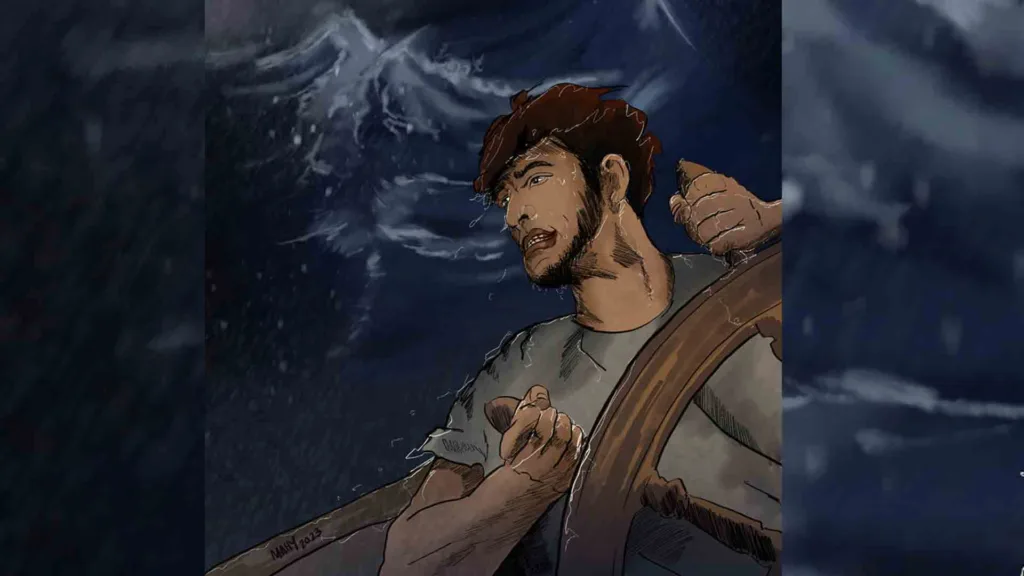
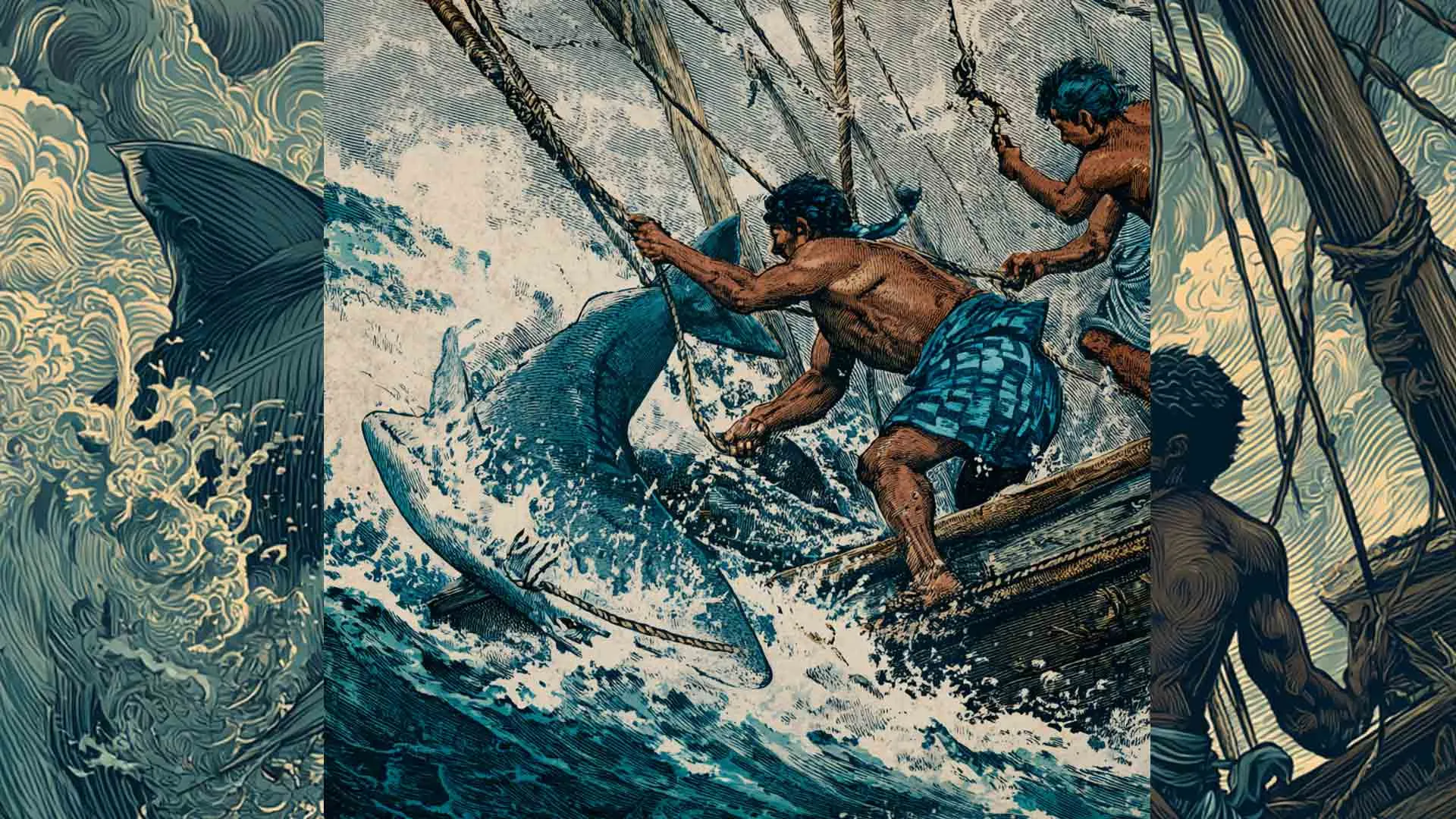
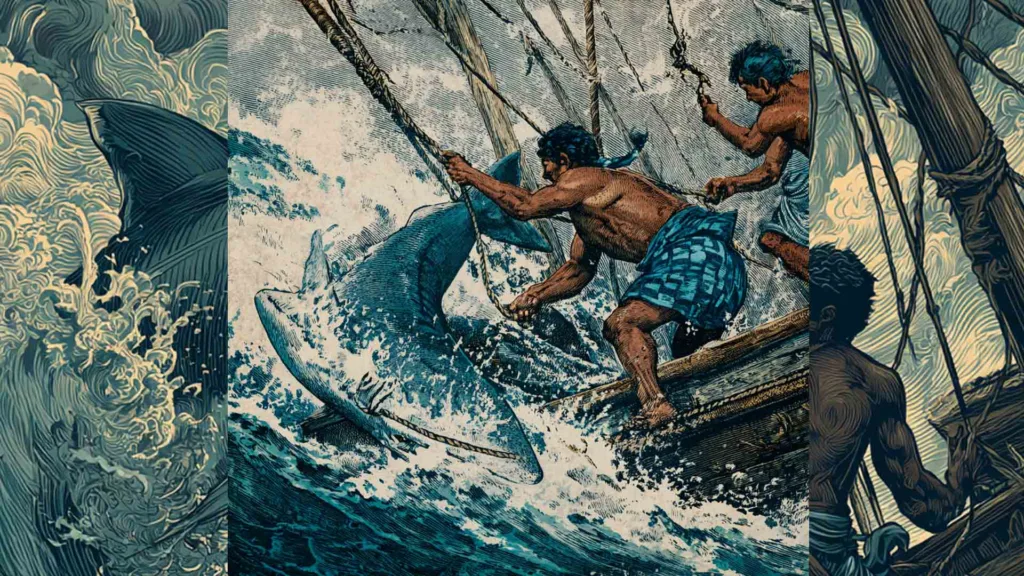
The most daring chapter of this history is Maa Keyolhu Kan (Big Line Fishing)—a traditional, high-stakes hunt targeting the tiger shark. This was not a sport; it was a desperate engineering necessity.
The hunt was a supreme test of nerves. Fishermen used “rotten bait”—often dolphin or ray—to lure the giants from the deep. With no mechanical reels, they relied on massive iron hooks and heavy harpoons. A tiger shark, often 5 meters long, was a “living engine” that could capsize a vessel in seconds. To hunt the shark was to walk the edge of the abyss, a daring act of survival that required the crew to be as cold-blooded as their prey.
The Vessel of Survival: The Girl in the Shark’s Belly
Despite the violence of the hunt, Maldivian folklore offers a surreal mercy. A legend from the village of Fioari speaks of a young girl swallowed whole by a tiger shark. Instead of a grisly end, she lived within the shark’s belly, sheltered from the sun and storms, until she was safely released in the far north. As noted by anthropologist Xavier Romero-Frías, this portrays the shark as a Tutelary Spirit—a guardian that carries the soul of the islands through the chaos of the ocean.
Fanditha and the Master of the Reef
The relationship was ultimately governed by Fanditha (traditional sorcery). Ancient navigators (maalimee) believed certain sharks were “bound” to specific reefs, acting as spiritual sentinels. To facilitate safe passage and shared resources, sorcerers performed rituals known as Miyaru Fengun to “blind” or “bind” the mouths of sharks—a form of spiritual diplomacy that allowed humans and predators to inhabit the same waters. To harm a “Master of the Reef” without cause was to invite a curse upon one’s vessel, creating an early, unintentional form of conservation where respect for the “grim gardener” ensured the delicate balance of the marine ecosystem.
The Predator’s Geometry: A Hierarchy of the Sea
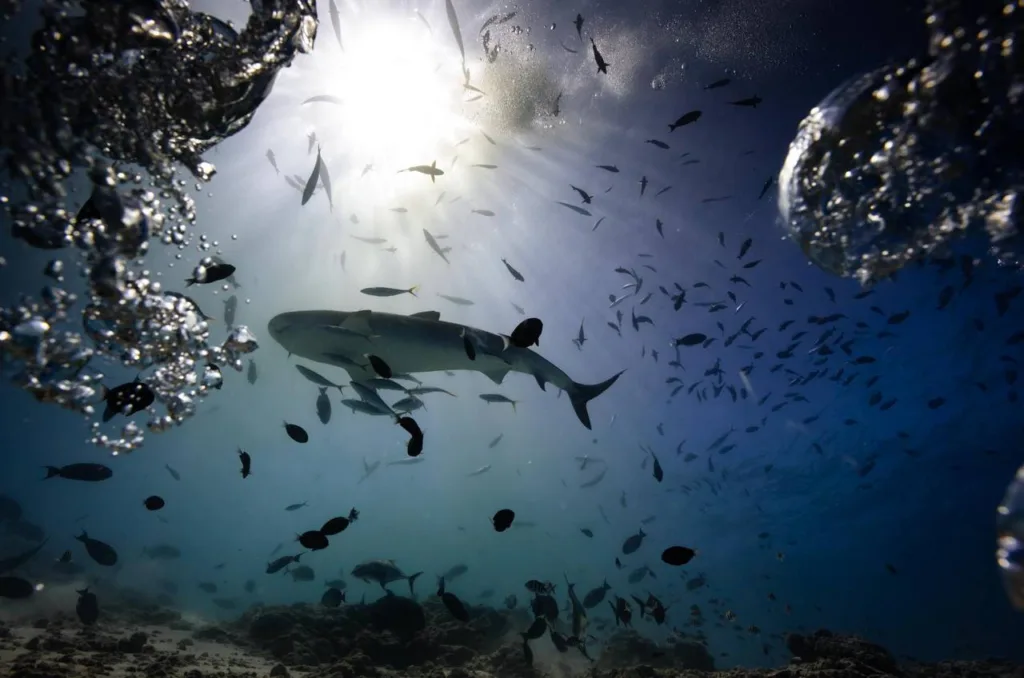
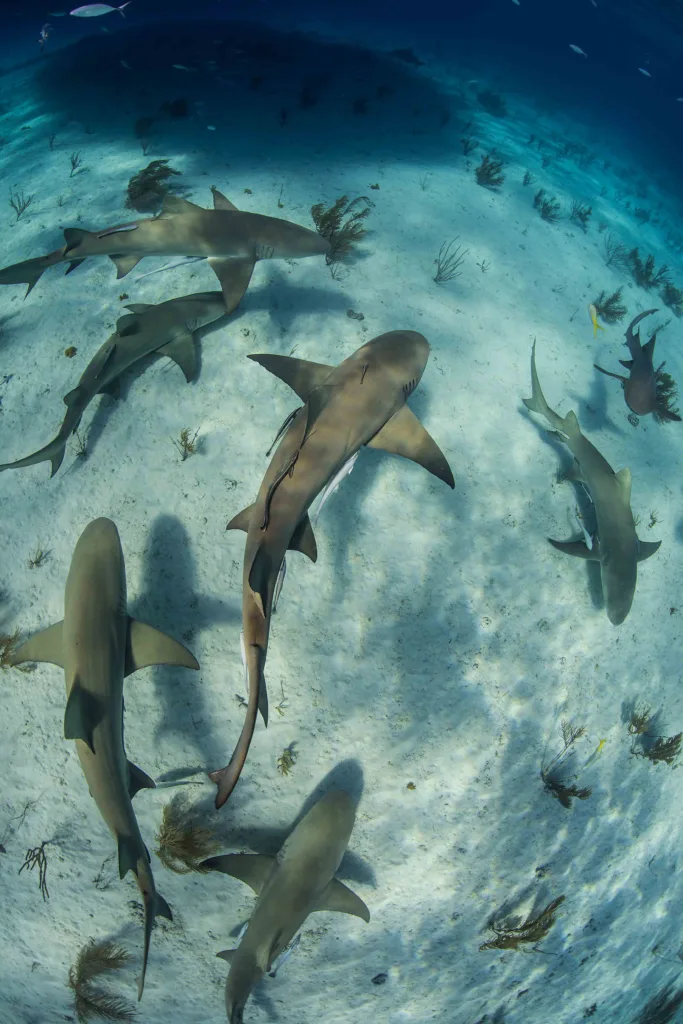
The Maldivian language distinguishes these creatures not just by biology, but by their role in the atoll’s hierarchy. The Kandi Miyaru (Thresher), named for the sword-like agility of its tail, remains a symbol of the deep ocean’s lethal grace. In contrast, the Odi Miyaru (Nurse Shark) is regarded as the “sleepy” shark—a communal neighbor often found resting in the sanctuary of reef caves. Patrolling the vital Kandhu-olhi (channels), the Vaali Miyaru (Reef Shark) acts as a sharp-toothed guardian, marking the threshold where the lagoon meets the open sea. In our heritage, a shark’s presence was a sign of a “living” sea; we did not fear the shark solely for its hunger, but respected it as the grim gardener of the coral architecture.
Conclusion: Today, the harpoons are gone. In 2010, the Maldives became a total shark sanctuary. We no longer need the shark’s oil to keep our boats afloat; we realize we need the shark’s spirit—alive and patrolling the abyss—to keep our entire ecosystem whole. We have moved from hunting the sentinel to becoming its protector.