Saving the Shark Pups
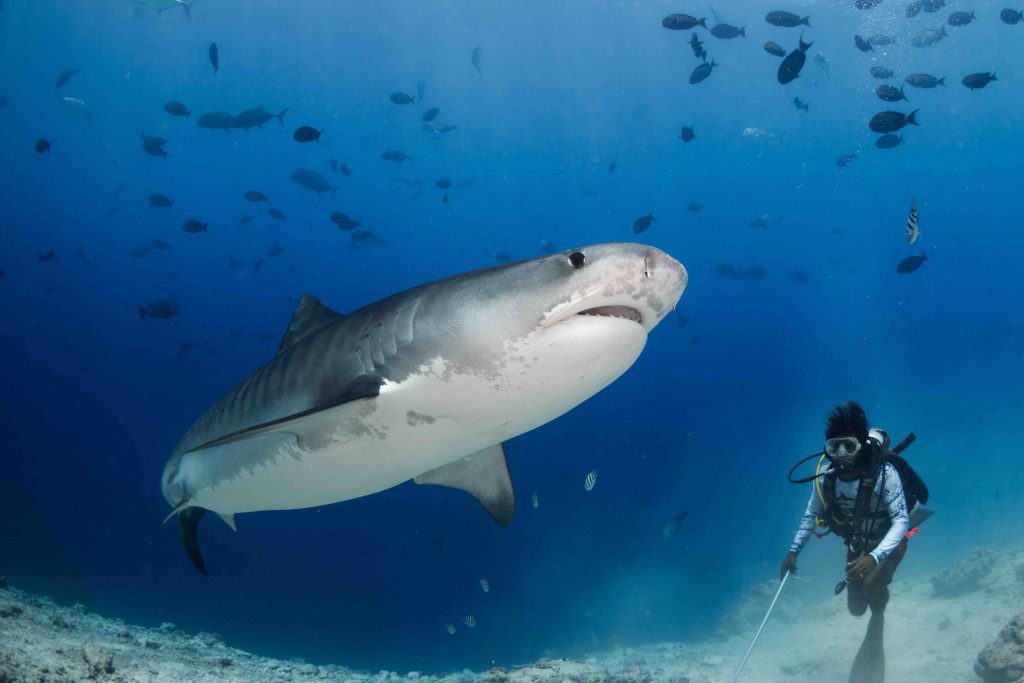
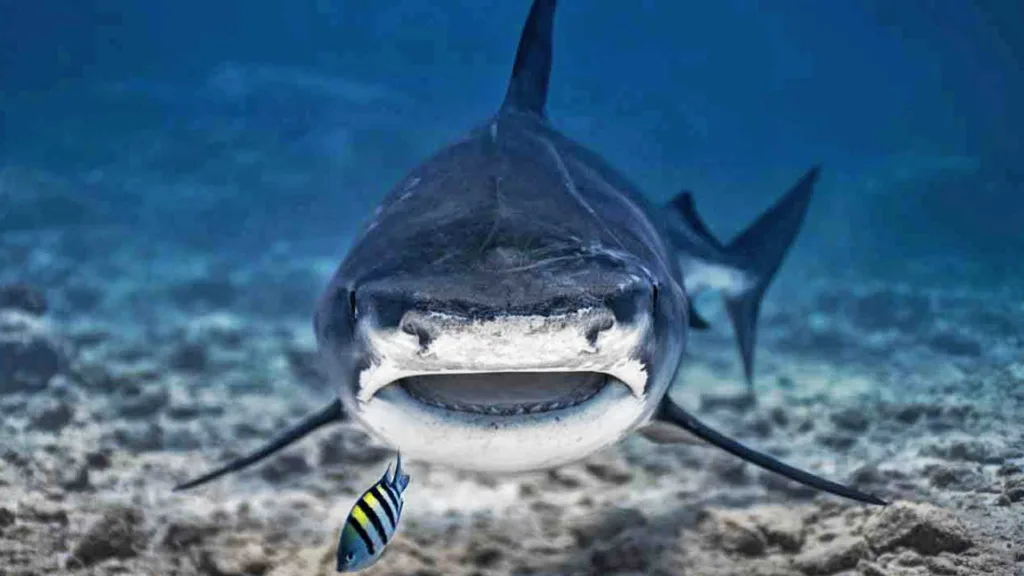
During the 27th day of Ramadan in the 1990s, fishermen arrived at Neregando with a large pregnant shark that had been caught near the island of Fuvahmulah. As people gathered around the bokkura to watch the catch being unloaded, a fisherman cut open the shark and revealed eight shark pups inside. We were only children at the time, but the sight fascinated us. About six of us carefully carried the pups into the nere passage and later toward the reef front, trying to guide them into deeper water whenever they swam back toward the beach. One by one, the pups disappeared into the blue beyond the reef.
The fisherman threw the baby sharks into the water near the passageway. The moment they touched the sea, they began moving weakly through the current. My friends and I, who were at the beach that morning, were fascinated by the sight. Without thinking much, some of us jumped into the water to help guide the sharks toward the open ocean.
I joined them too. I rolled my thick trousers up to my knees and stepped into the sea. There were around six of us trying to help the sharks escape safely. At first, we tried guiding them through the nere itself, carefully holding their fins and bodies. But every time we tried, most of the sharks swam back toward the beach instead of heading out to sea. Eventually, we decided to take them closer to the opening of the nere, where the current flowed strongly into the ocean.
We moved toward the middle of the passage where the water was deeper than our height. From there, we climbed onto the reef flat to watch what would happen next. After some time, the sharks slowly began swimming toward the opening. By the time we reached there, most of them had disappeared into deeper water. We could still see three or four sharks moving through the blue. We felt proud and relieved knowing they had escaped. Like many children growing up near the sea, we soon turned our attention to the waves and started enjoying what we called “Elei e Jessun” — riding the crest of waves just before they broke.
“Elei e Jessun” at Neregando
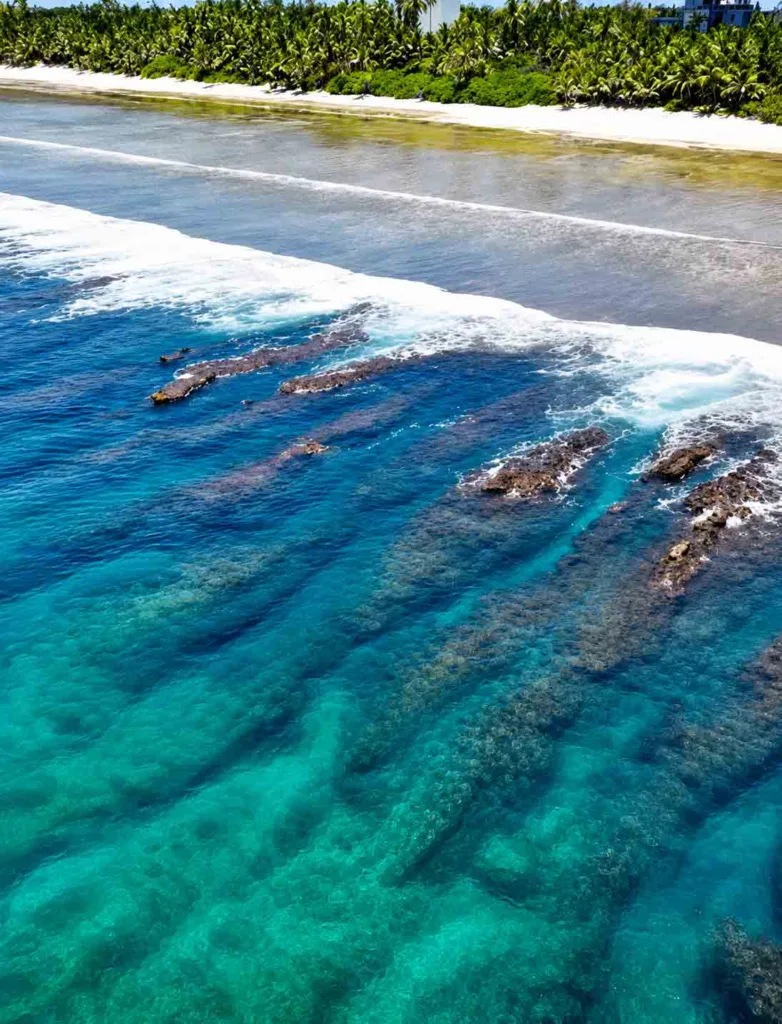
When we first arrived at the beach, the sea had been calm. But as time passed, the waves grew larger and more powerful. Since I was wearing heavy trousers, I stayed near the reef flat close to the opening of the nere while my friends swam farther away. The water where I stood was about three feet deep, and waves continued crashing onto that section of the reef while my friends, around 40 feet away, swam and enjoyed the surf.
Neregando is unpredictable, and the movement of waves can suddenly change within seconds. Without warning, I saw a massive wave rising directly in front of me. It was nearly 10 feet high and building fast.
My friends shouted for me to jump into the sea, but I knew it was too late. If I jumped, the force of the wave could crush me. At the same time, I could not run quickly across the reef because the water was too deep. For a brief moment, I truly believed I was going to die.
Inside the Reef Cave
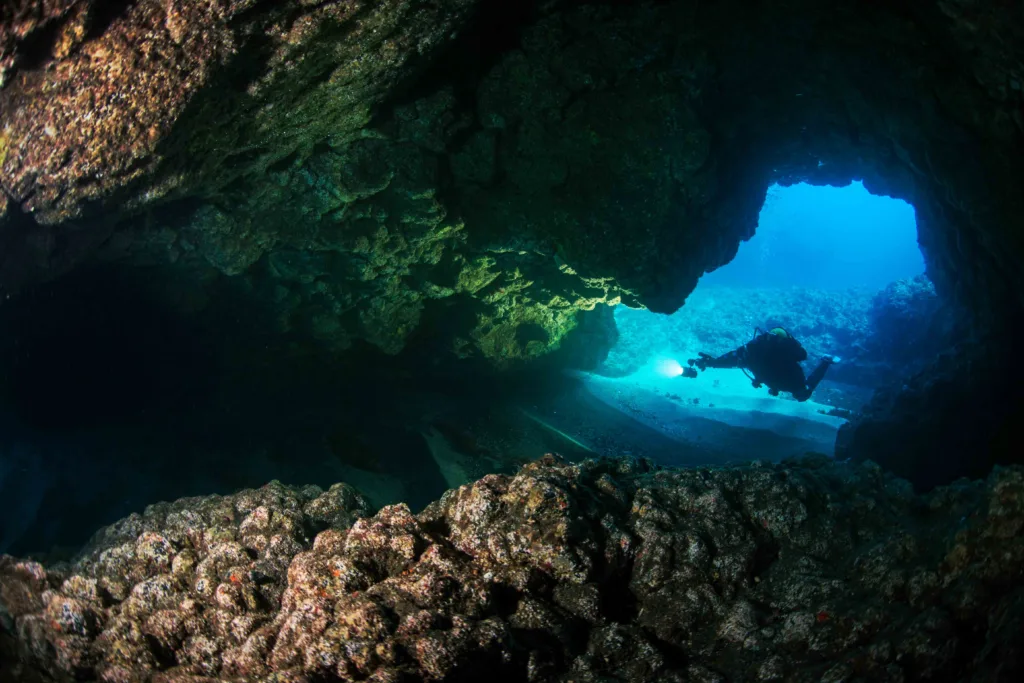
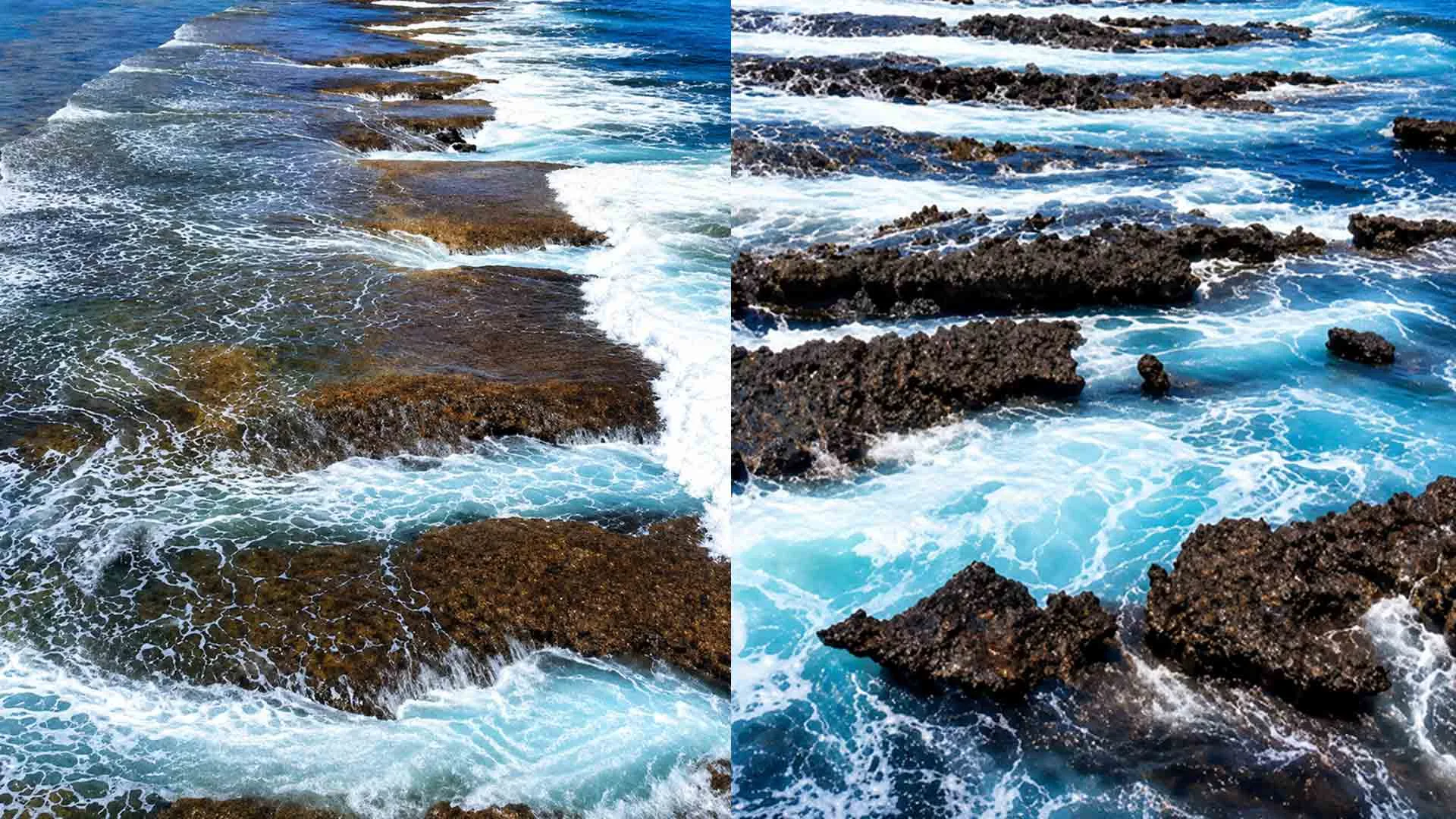
This video shows the reef front shaped by deep grooves and cave-like formations, revealing the dramatic underwater topography surrounding the reef edge.
I tried to run toward the shore, but within seconds I slipped into a cave-like opening in the reef known in Fuvahmulah as a ‘Hoakaa Vado’ — a spur-and-groove reef system containing subsurface caverns and underwater tunnel networks. These formations are common along the reef front of our island. The moment I fell inside, my hand somehow caught onto a rocky section within the cave, and I held onto it as tightly as I could while the force of the wave crashed over me. My legs twisted violently in different directions under the pressure of the water. I held my breath for what felt like forever — probably around 25 seconds. Eventually, I could not hold it any longer. I swallowed seawater and genuinely thought I was dying beneath the reef.
Then, slowly, the force of the wave weakened. I looked upward and realized the opening of the groove was directly above me. Somehow, I managed to grab the edge and crawl back onto the narrow reef. I stood up and tried to run again toward the reef flat, but within seconds another wave crashed onto the reef and carried me toward the reef flat. This time, however, the force of the water pushed me closer to shore instead of dragging me back out. When I finally reached the sandy beach, a man named Jaleel shouted at me, “Are you trying to kill yourself?”
At that moment, I broke down crying. My legs were bleeding heavily from deep cuts and bruises caused by the reef.
Where Beauty Meets Danger
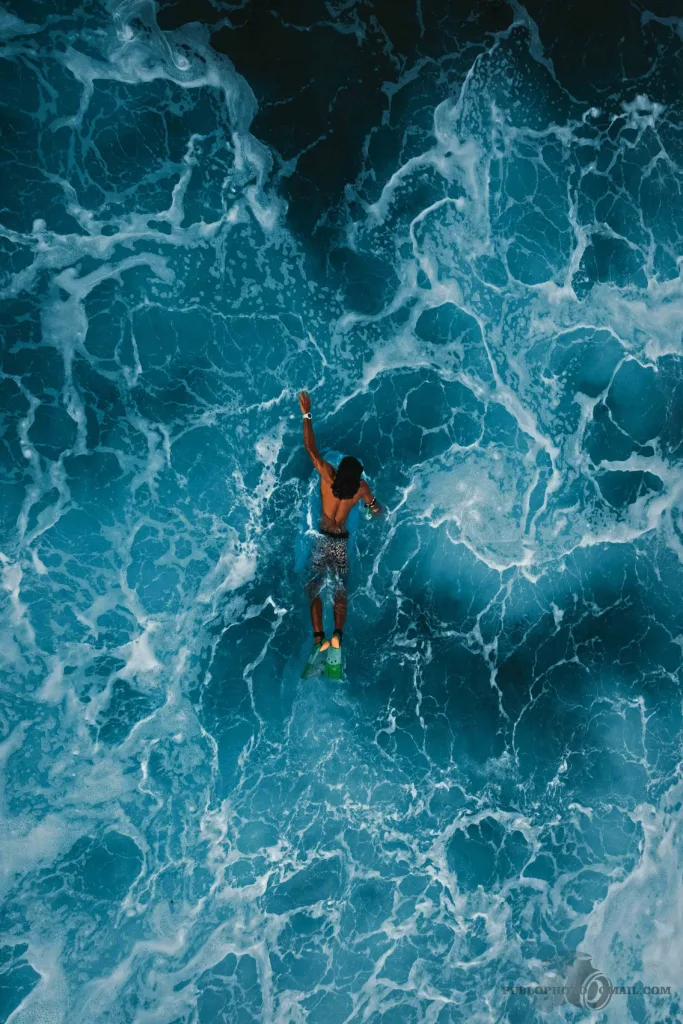
Later that day, I returned home and stayed at my late uncle Rafeeqbe’s house. Before going for Asr prayer, I took a shower, and as the water ran over my body, I cried from shock and fear. During prayer, while I was in sujoodh, seawater came out from my nose. Even then, I could still feel the ocean inside me. The underwater world, beaches, and seas of the Maldives are among the most beautiful natural environments on Earth, but they can also be unforgiving.
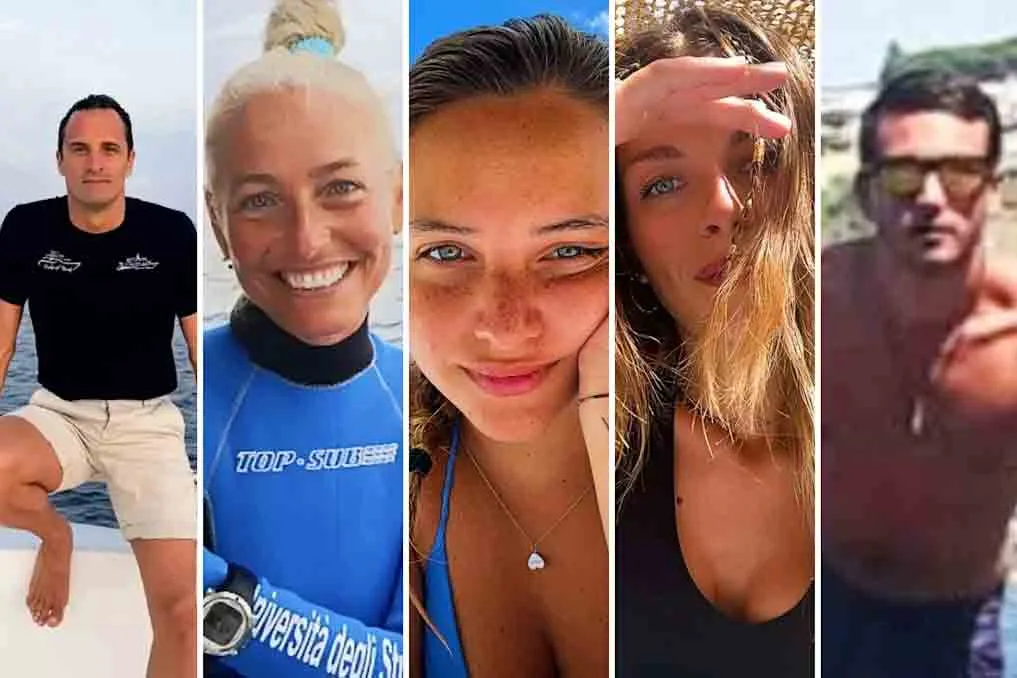
I decided to write this story after hearing the tragic news about the five Italian divers and the Maldives National Defence Force diver who lost their lives this week during a cave diving incident in the Maldives. Although we were children at the time, we knew the dangers of indulging in giant waves breaking onto the reef — “Elei e Jessun.” But like many young boys, we were drawn to the excitement of the ocean and ignored the risks around us. In my case, that carelessness nearly cost me my life.
Neregando and its reef front have witnessed tragedy before. My own best friend lost his life at the reef front of Neregando, and two more deaths also occurred in the passage area while a dhoni was travelling through the nere. These memories remain painful reminders of how quickly the sea can turn dangerous.
The Maldives will always be a place of extraordinary beauty, but the ocean must be respected. No moment of excitement is worth risking a life. Even when the sea looks calm or inviting, conditions can change within seconds. Visitors and locals alike should follow safety advice, respect local regulations, and avoid taking unnecessary risks in dangerous areas.