As islanders surrounded by the Indian Ocean, we grow up closely connected to the sea. Our islands are known for their beaches, shallow lagoons, coral reefs, and the countless fish species that move through our waters. The ocean shapes daily life in the Maldives, from fishing and travel to tourism and tradition. But beneath the familiar turquoise surface lies another world that few people ever see.
Hidden beneath coral reefs and along the outer edges of islands are underwater caves — dark chambers and narrow passages formed naturally over thousands of years. These places are rarely explored, yet they play an important role in marine ecosystems and reveal a side of the ocean that remains largely unknown.
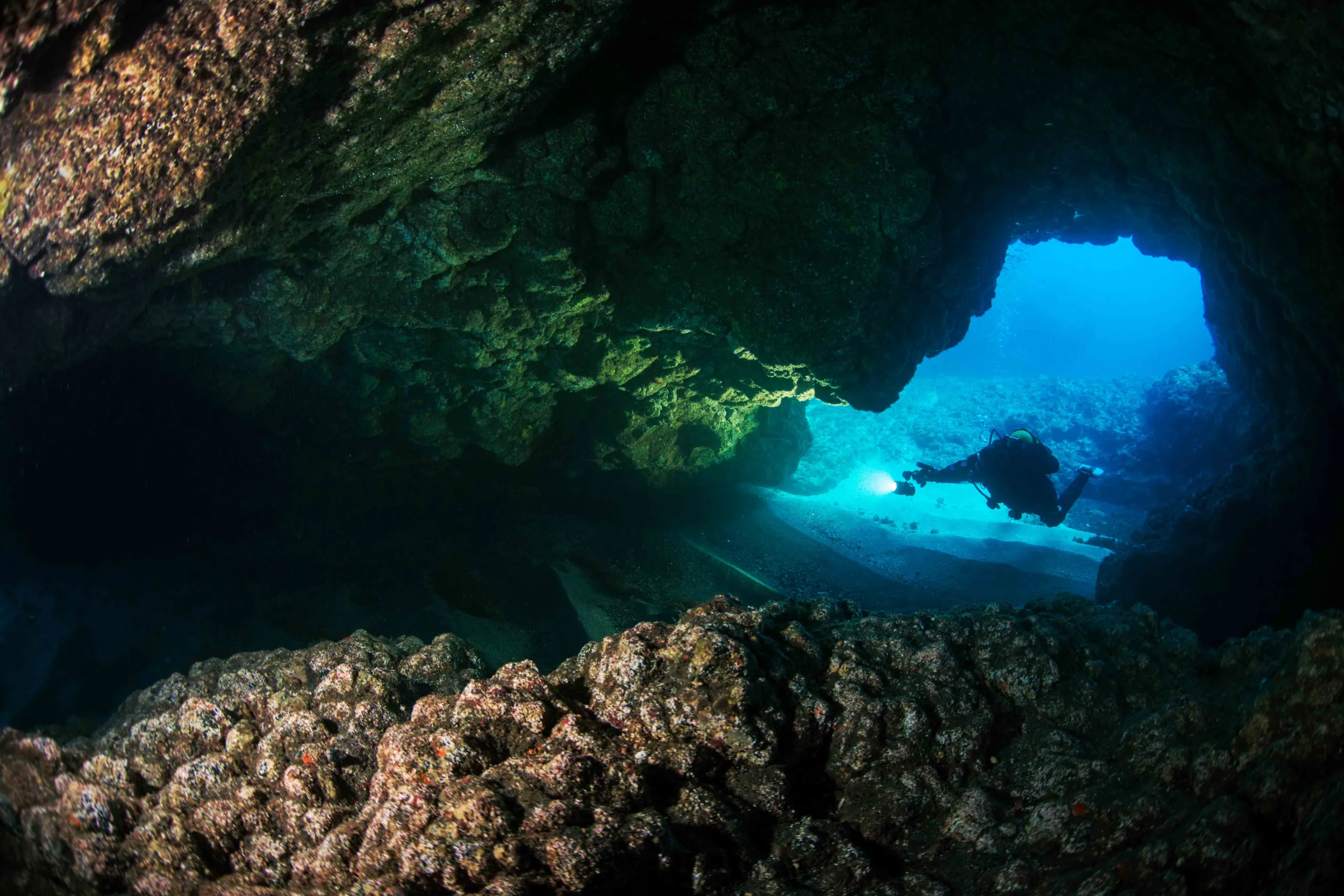
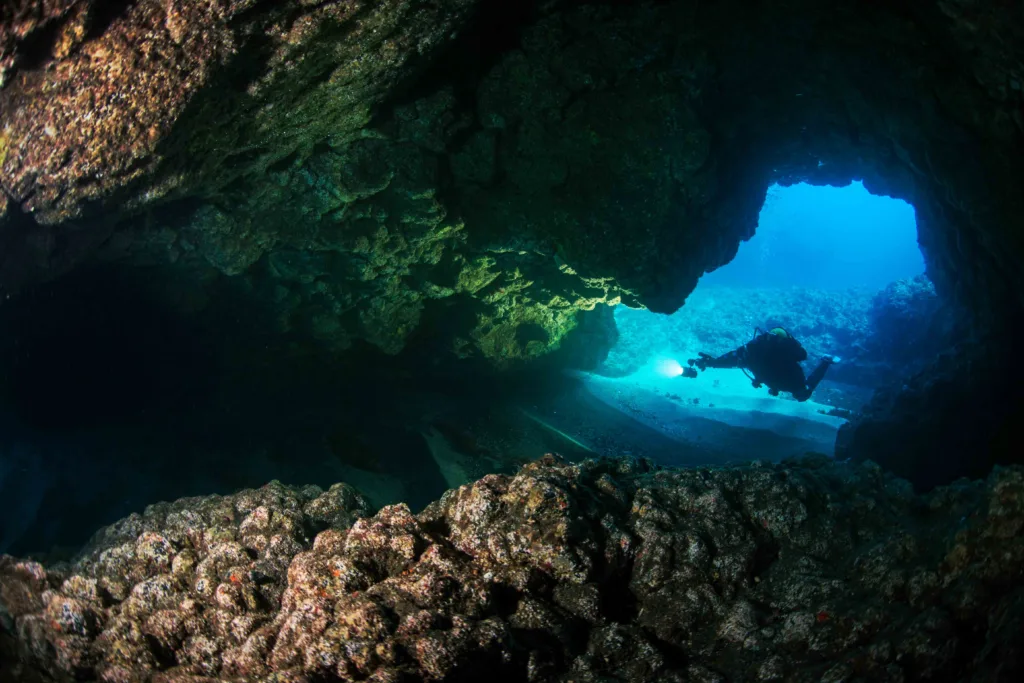
Far below the surface, where sunlight begins to disappear, underwater caves stretch through rock formations beneath the sea. Some are wide enough for divers to swim through comfortably, while others narrow into tight tunnels covered in coral and shadow. Inside these caves, the atmosphere feels completely different from the open ocean. Sound fades, light becomes limited, and every movement must be controlled.
For scientists and divers, underwater caves are places of both fascination and danger. Many remain unexplored, and every cave system can hold something unexpected.
How Underwater Caves Are Formed
Most underwater caves were formed long before they were submerged. During ancient ice ages, sea levels were much lower than they are today. Rainwater slowly dissolved limestone rock, creating underground tunnels and caverns.
As glaciers melted and sea levels rose, these cave systems filled with seawater.
Today, underwater caves exist in many parts of the world. Some stretch for several kilometers beneath coastlines and reefs. Others descend deep into the ocean floor. In certain caves, freshwater and saltwater meet together, creating blurry layers called haloclines that distort a diver’s vision underwater.
These formations are not only geological features — they are also habitats for marine life.
Life Inside the Darkness
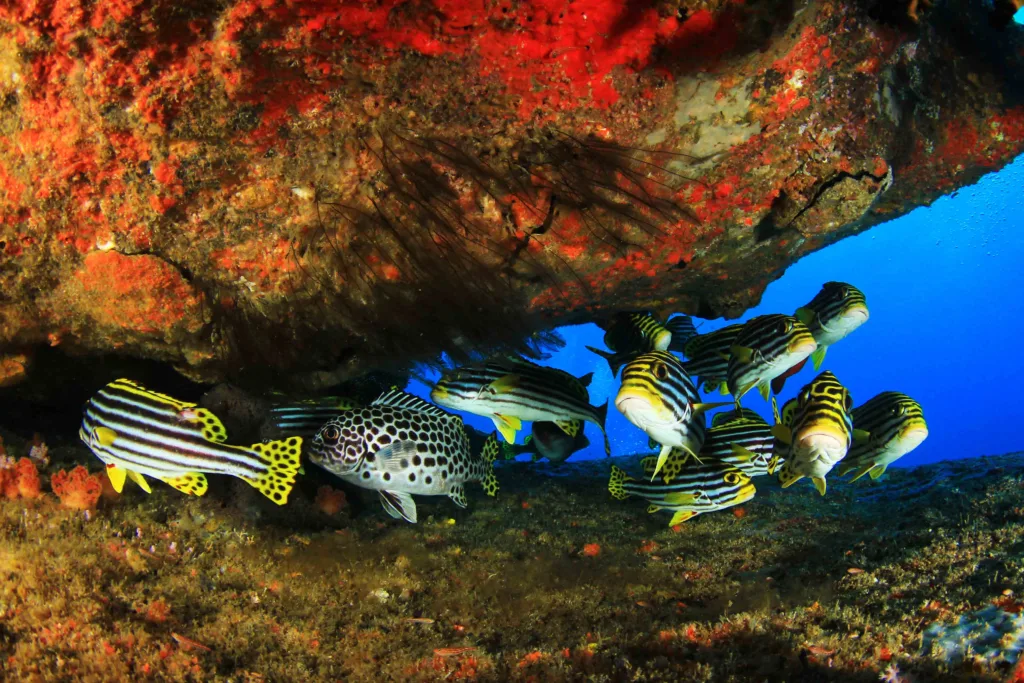
Although underwater caves may appear empty at first, many contain ecosystems specially adapted to darkness.
Without sunlight, plants cannot grow inside the caves. Instead, marine life survives on nutrients carried in by ocean currents. Sponges attach themselves to cave walls, small crustaceans move through cracks in the rock, and some fish species have adapted to low-light conditions.
Scientists consider underwater caves important because they often contain species found nowhere else. Their isolated environments allow marine organisms to evolve differently from life in the open sea.
Some caves also preserve fragile corals and microorganisms that help researchers understand marine ecosystems and climate history.
The Dangers of Cave Diving
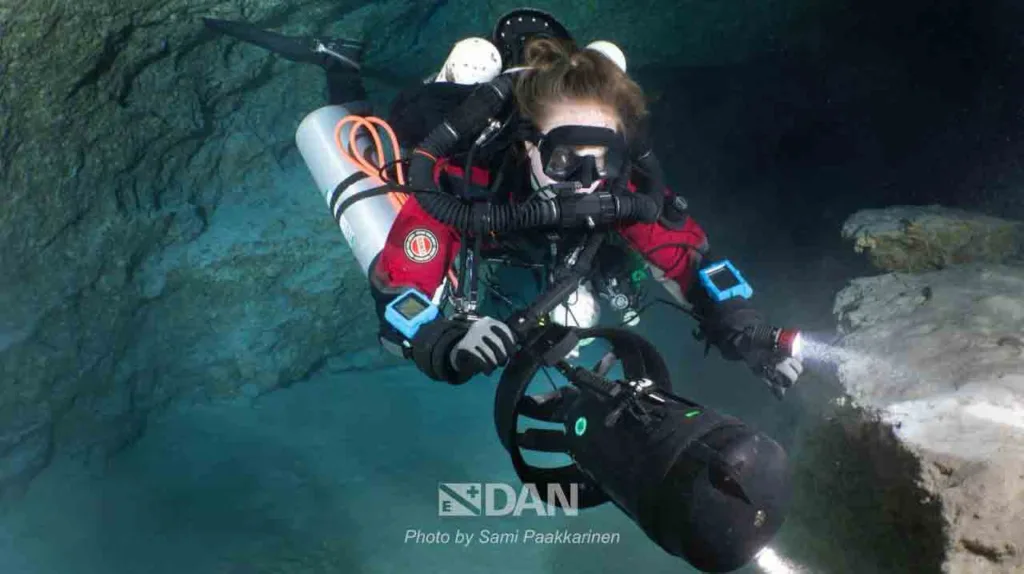
Exploring underwater caves is considered one of the most dangerous forms of diving.
Unlike open-water diving, cave divers cannot swim directly to the surface in an emergency. They must carefully navigate their way back through narrow tunnels, often relying on guide lines and specialized equipment.
Visibility can disappear within seconds if sediment from the cave floor is disturbed. Strong currents, limited oxygen, equipment failure, or disorientation can quickly become life-threatening.
Because of these risks, underwater cave diving requires extensive training, experience, and discipline.
Yet despite the danger, divers continue exploring these environments because so much of the underwater world remains undiscovered.
Underwater Caves as Natural Archives
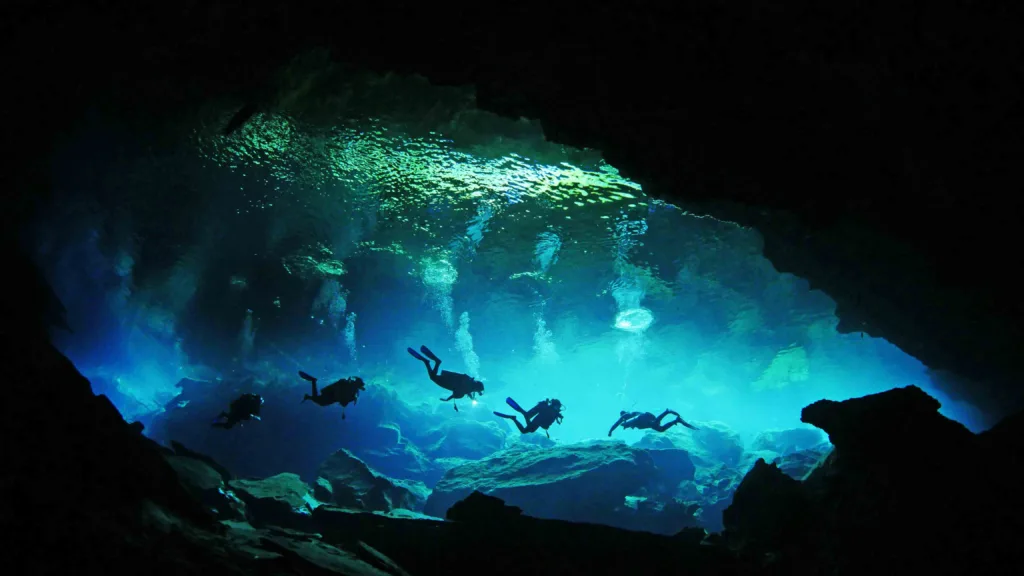
Many underwater caves also preserve evidence of the past.
Because they are protected from waves, sunlight, and strong currents, caves can contain ancient remains that stay undisturbed for thousands of years. Around the world, researchers have discovered fossils, prehistoric human remains, and geological formations inside submerged caves.
Some cave structures were formed when sea levels were lower, providing evidence of how Earth’s climate changed over time.
For archaeologists and scientists, underwater caves are valuable records of both natural and human history.
The Maldives: Hidden Caves Beneath the Reefs
The Maldives is usually associated with clear lagoons, coral gardens, and tropical marine life. However, beneath many reefs lies a lesser-known underwater landscape made up of caves, overhangs, and swim-through formations.
These cave systems are commonly found along reef walls shaped by centuries of wave erosion and ocean currents. Divers exploring sites such as Fotteyo Kandu and Banana Reef often pass through narrow coral corridors where sunlight filters through openings above.
At Kuda Giri Cave, divers can swim through tunnels lined with coral formations while reef fish gather within the sheltered spaces. Other sites, including Maaya Thila, become especially active at night, when sharks and other predators move through the darkness around the reef structures.
These underwater caves act as shelters for marine species and add another layer of biodiversity to Maldivian reefs.
Fuvahmulah and Its Reef Cave Systems
Among the islands of the Maldives, Fuvahmulah is especially known for its unique underwater environment.
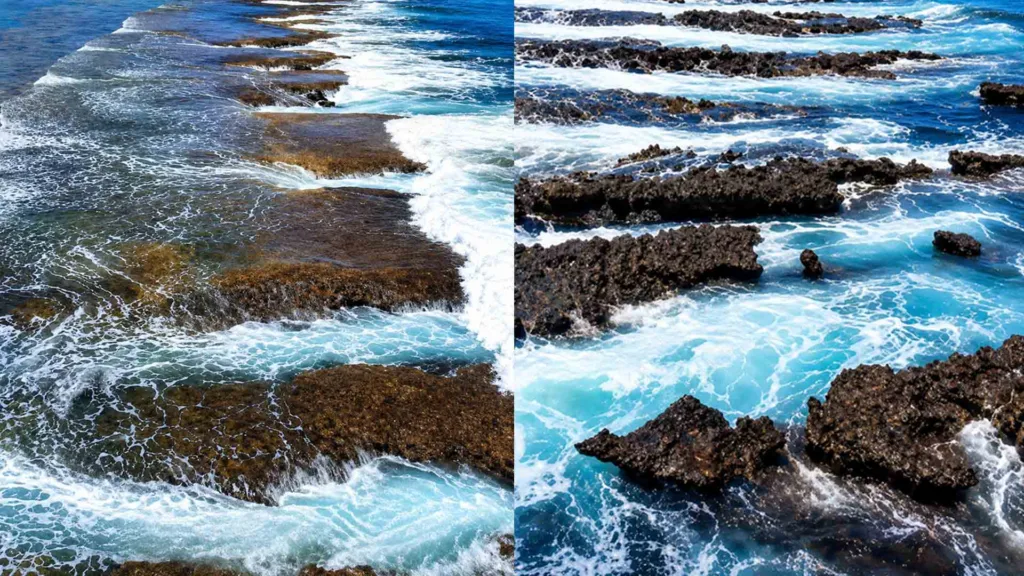
Unlike many islands surrounded by shallow lagoons, Fuvahmulah rises directly from deep ocean waters. Its reef structure includes steep walls, overhangs, and cave-like formations shaped by strong currents and wave action over long periods of time.
Local divers describe sections of the reef where currents move through narrow underwater openings beneath the coral shelf. These hidden spaces create habitats for marine life while also making the diving environment more unpredictable.
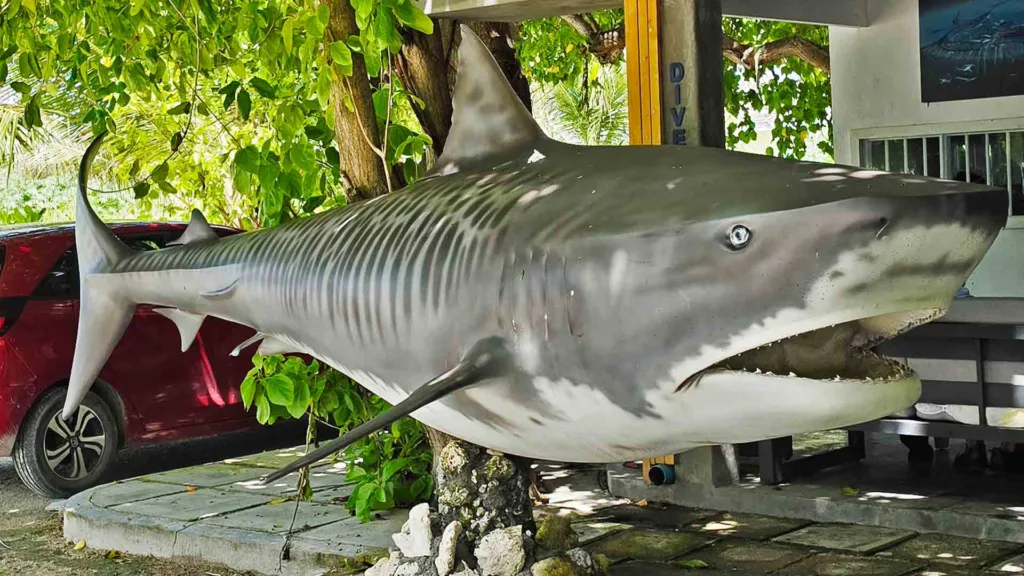
Fuvahmulah is already internationally known for its large pelagic species, especially tiger sharks. But beneath the surface, its reef caves and underwater formations reveal another side of the island’s marine landscape — one that remains less explored and not widely understood.
The island’s geography makes it one of the most distinctive diving environments in the Maldives.
A World Still Largely Unknown
Even today, much of the underwater world remains unexplored. Beneath reefs and coastlines across the planet, underwater caves continue into darkness beyond the reach of ordinary diving.
These hidden environments are more than geological formations. They support marine ecosystems, preserve natural history, and remind us how little we still know about the ocean.
For island nations like the Maldives, understanding and protecting these fragile spaces is important. Beneath the calm surface of the sea lies a world that is ancient, complex, and still waiting to be discovered.