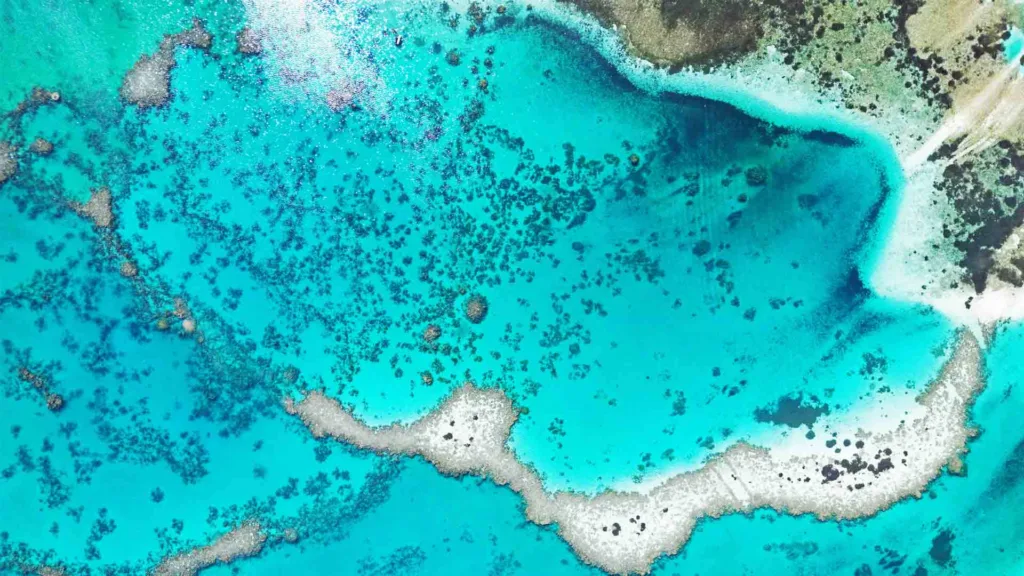
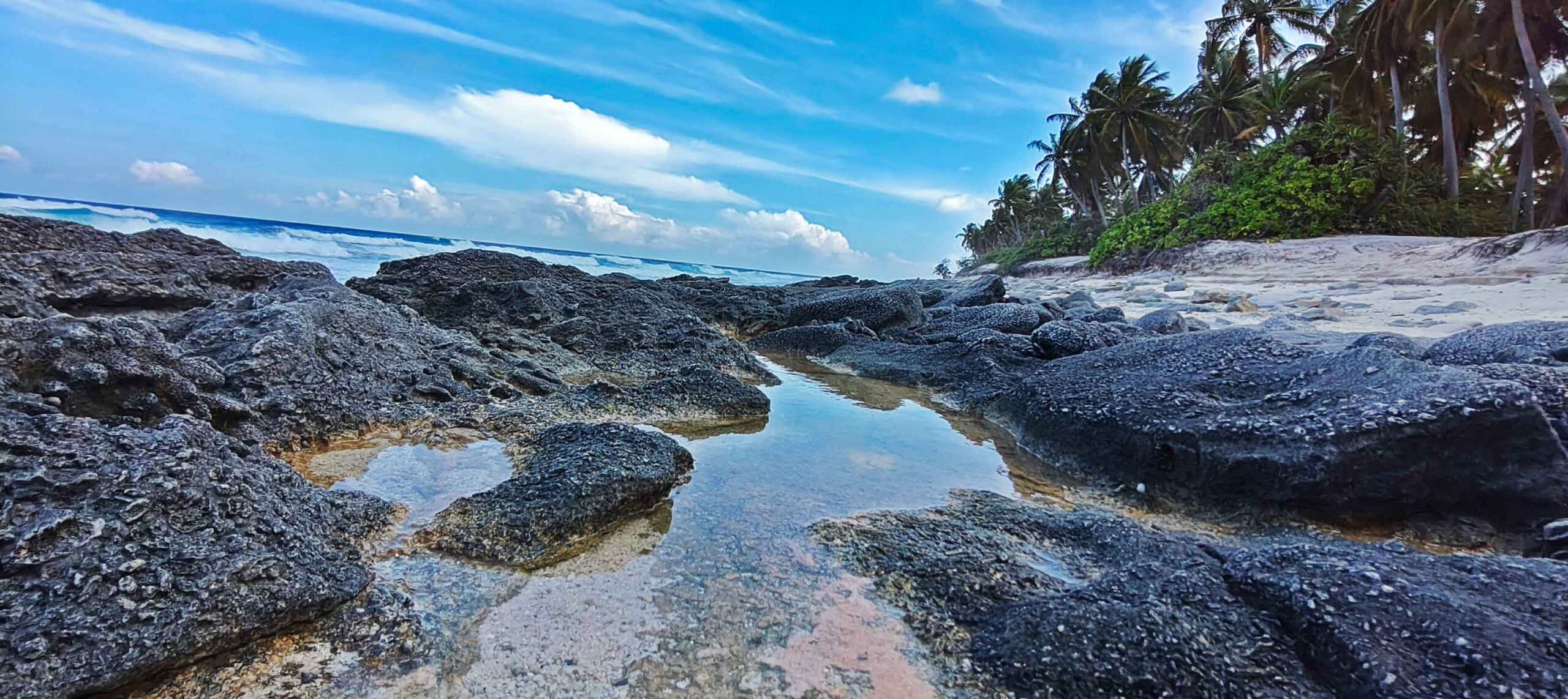
Scattered across the equatorial Indian Ocean, the Maldives appears at first glance to be a paradise of turquoise lagoons and white-sand islands. But beneath the surface lies the nation’s true foundation: coral reefs. More than 1,000 coral islands rise from these reefs, making the Maldives one of the world’s largest reef-based nations—a country quite literally built by living organisms.
At the heart of this underwater architecture are reef-building corals, also known as hard corals. These animals, no larger than a fingernail in their individual form, are responsible for constructing the limestone frameworks that support entire reef ecosystems. Scientists have documented more than 300 species of reef-building corals in Maldivian waters (Pichon and Benzoni, 2007), underscoring the region’s extraordinary biodiversity.
Tiny Builders of Vast Reefs
Corals may resemble plants or rocks, but they are animals. Each coral colony is made up of thousands of tiny invertebrates called polyps, relatives of sea anemones and jellyfish. Polyps are soft-bodied, but they possess a remarkable ability: they extract calcium carbonate from seawater to build hard skeletons.
Among corals, stony corals—also called hermatypic corals—are the primary reef builders. Species such as elkhorn coral and brain coral are iconic examples. Over time, their skeletal remains accumulate, forming massive limestone structures that become the backbone of tropical coral reefs.
A Partnership Powered by Sunlight
Corals do not build reefs alone. Hidden within their tissues live microscopic algae known as zooxanthellae, partners essential to reef growth. This relationship is one of nature’s most successful collaborations.
The algae use sunlight to produce food through photosynthesis, sharing much of that energy with their coral hosts. In return, the coral provides the algae with shelter and nutrients. This exchange allows corals to grow rapidly enough to construct reefs that can stretch for kilometers. The brilliant colors often associated with coral reefs—from golden browns to vivid greens—also come largely from these algae.
Without zooxanthellae, reef-building corals would lose both their color and much of their ability to grow, making reefs as we know them impossible.
From Skeleton to Seascape
Hard corals such as elkhorn and staghorn corals typically grow in branching or clustered formations. As each polyp grows, it secretes a limestone cup called a calyx around itself. When the polyp dies, its skeleton remains, forming a stable base for new polyps to settle and grow.
Layer by layer, generation by generation, these skeletal remains pile up. The result is a reef: a vast, rock-like structure topped by a thin living skin of coral animals. Though reefs may appear solid and timeless, they are constantly being built, eroded, and rebuilt by living organisms.
Foundations of an Island Nation
In the Maldives, coral reefs are more than ecosystems—they are infrastructure. They buffer islands from waves and storms, create lagoons, support fisheries, and provide the very ground upon which the nation stands. What looks like a tropical postcard above water is, below the surface, a testament to millions of years of biological construction.
The Maldives is not just surrounded by reefs. It is a nation shaped, sustained, and protected by them—one tiny polyp at a time.