A Geographic Anomaly in the Maldives
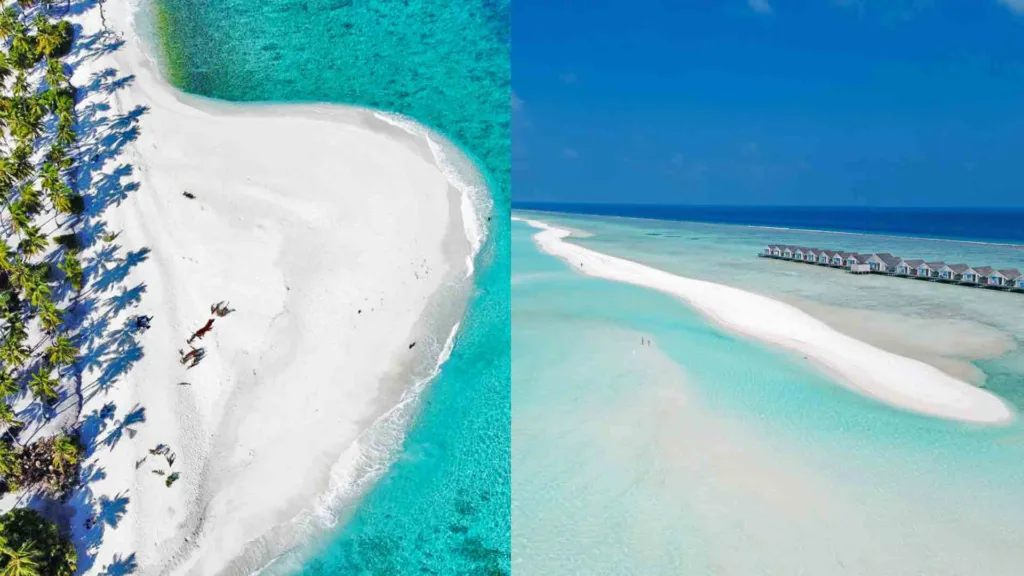
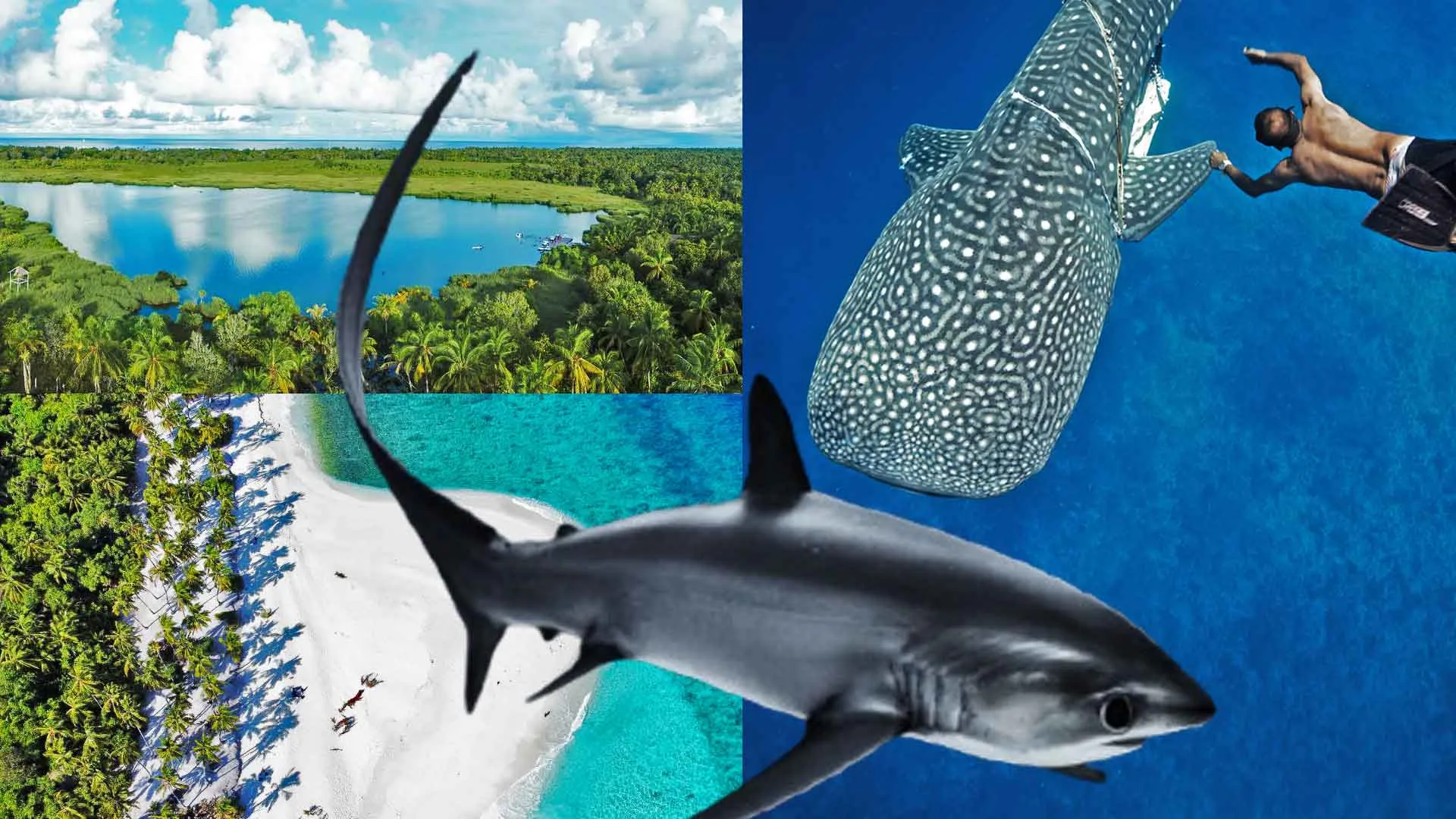
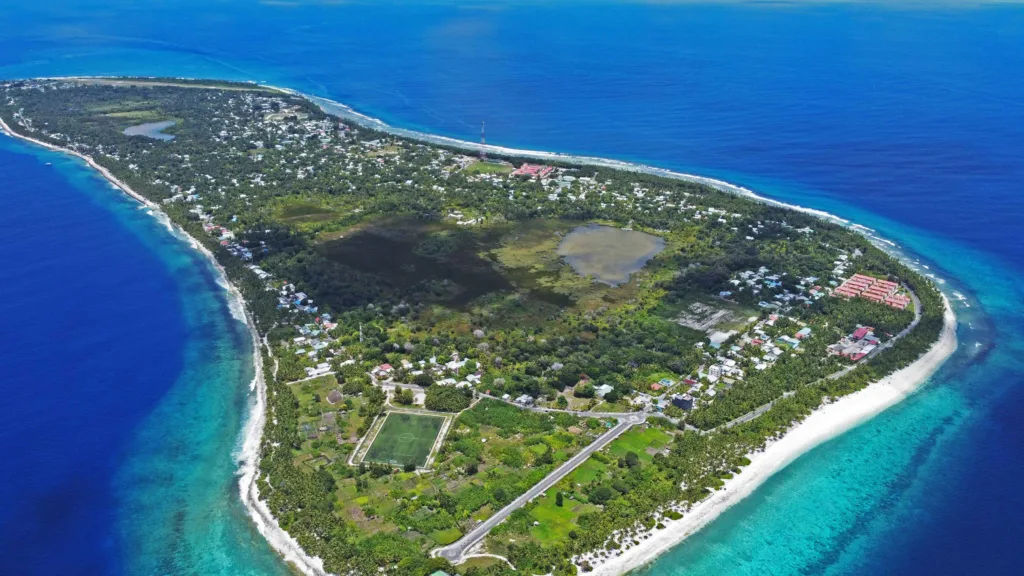
Fuvahmulah, a single, magnificent island in the southern reaches of the Maldivian archipelago, stands as a geographic anomaly and a powerhouse of biodiversity. Unlike its neighbors, which form coral atolls, Fuvahmulah is a solitary volcanic mound rising steeply from the deep ocean floor. This unique positioning—a lone peak jutting into the ocean currents—acts as a massive natural aggregation point for pelagic life.
Known as the “Oceanic Capital of the Maldives,” the island’s fame rests on a synthesis of breathtaking underwater encounters, unique terrestrial features, and a profound, centuries-old fishing culture.
This article explores the extraordinary natural wonders and deep-seated traditions that define Fuvahmulah—from the feared Tiger Shark to revered traditional fishing methods.
The Oceanic Capital
Why Fuvahmulah Attracts Ocean Giants
Fuvahmulah’s reputation among divers is cemented by its consistent, close-range encounters with several apex predators. Strong, nutrient-rich currents sweep past the island, creating hunting grounds and cleaning stations that attract large pelagic species—something rarely found right next to a single island.
Tiger Sharks: The Island’s Constant Residents
The star attraction of Fuvahmulah’s underwater world is undoubtedly the Tiger Shark (Galeocerdo cuvier). While typically solitary and shy, these striped predators gather reliably at a cleaning station off the south coast. Here, divers observe them up close as they move through the reef for cleaning.
Unlike seasonal migrations, the Tiger Sharks are permanent residents, indicating abundant food sources and a healthy ecosystem. This reliability has helped transform the global reputation of Tiger Sharks from fearsome creatures into key indicators of ocean health.
The Realm of the Hammerhead Shark
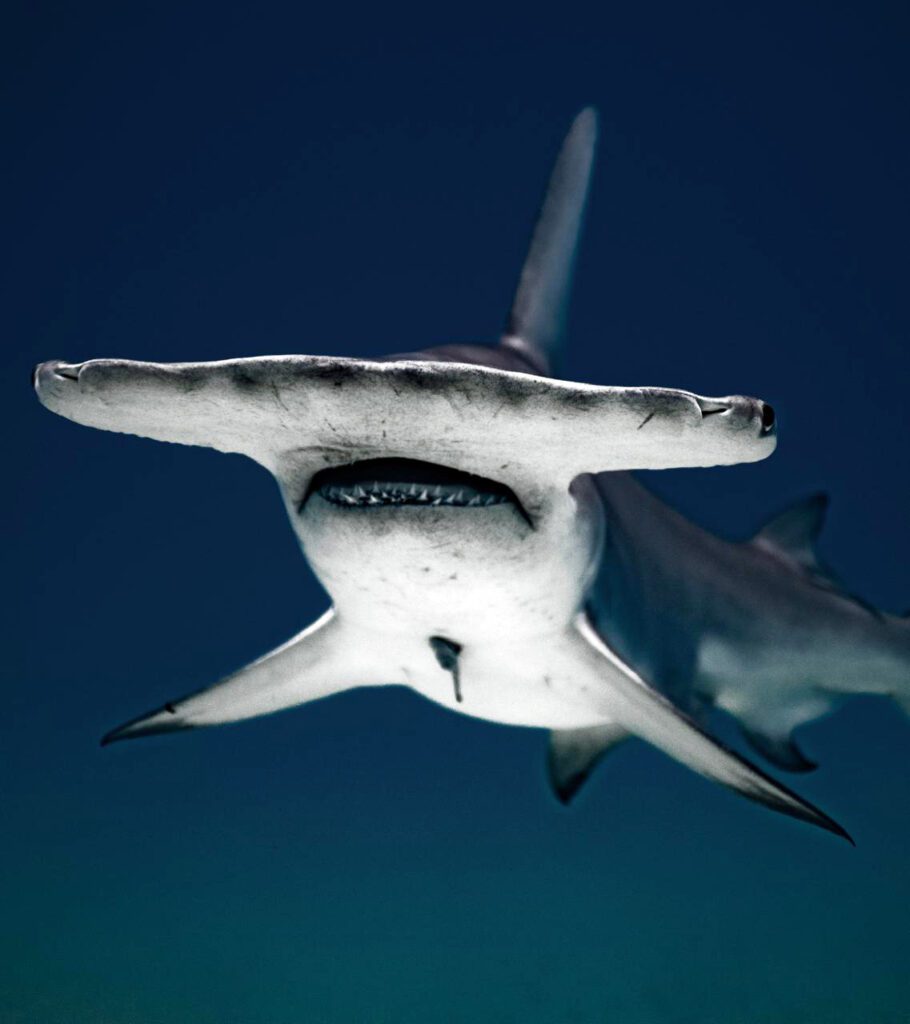
Fuvahmulah, a solitary island atoll rising dramatically from the deep ocean floor, stands as a premier global destination for unparalleled pelagic adventures. Among the most iconic inhabitants drawn to these nutrient-rich, deep waters is the magnificent scalloped hammerhead shark (Sphyrna lewini).
- Year-Round Encounters: Uniquely, Fuvahmulah offers divers the rare opportunity to witness scalloped hammerhead sharks year-round. Lucky visitors can experience the breathtaking sight of these majestic animals aggregating in large schools in the deep blue.
- The Unique Hunter: The hammerhead’s distinctive cephalofoil (its hammer-shaped head) is more than just a visual marvel; it functions as a powerful electro-sensor, enabling the shark to detect the faint electrical signals of concealed prey, such as stingrays, buried on the seabed.
- Local Significance: The shark is known locally as Kaaligandu miyaru, and in the Fuvahmulah dialect, it is called beedibol meyre, a name derived from its head’s resemblance to a coconut leaf base.
- A Call for Conservation: The scalloped hammerhead, listed on the IUCN Red List of Threatened Species, highlights Fuvahmulah’s crucial role in marine conservation. The occasional presence of the great hammerhead (Sphyrna mokarran) further underscores the ecological importance of this unique Maldivian site.
Thresher Sharks: The Whip-Tailed Elusive Hunters
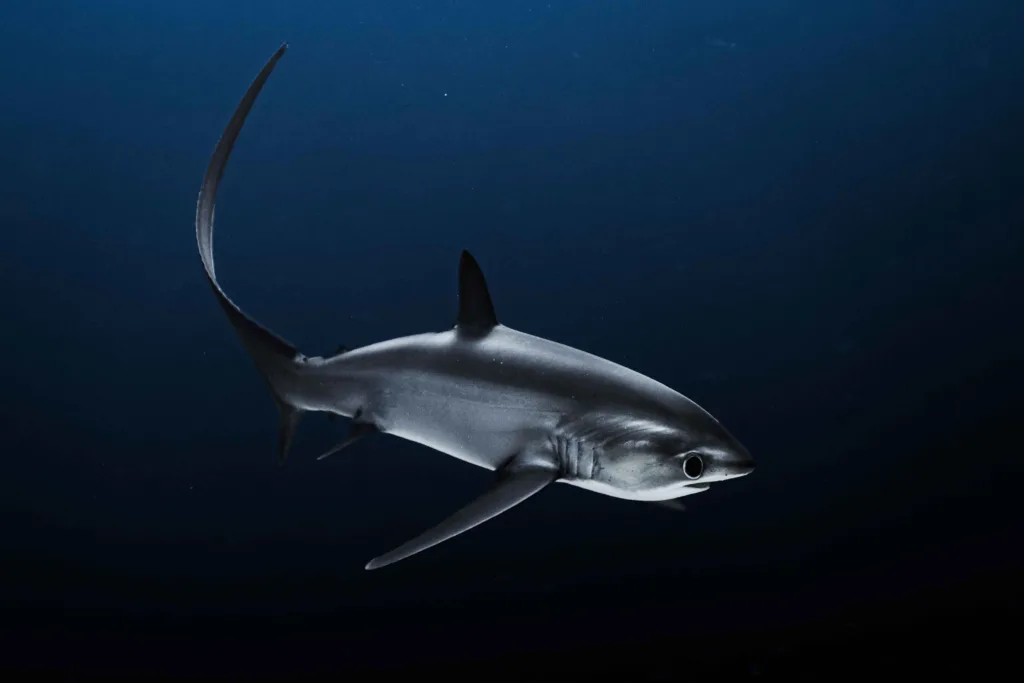
Another iconic species frequently sighted in deep waters around Fuvahmulah is the Thresher Shark (Alopias pelagicus). Distinguished by their long, whip-like tails, these deep-water predators rise to the surface near dawn.
Fuvahmulah’s dramatic underwater topography—where the reef wall drops sharply into the abyss—brings threshers up closer to divers. They are often spotted near fanno (deep-water channels), using their tails to stun schooling fish.
Whale Sharks: Gentle Giants of the Open Ocean
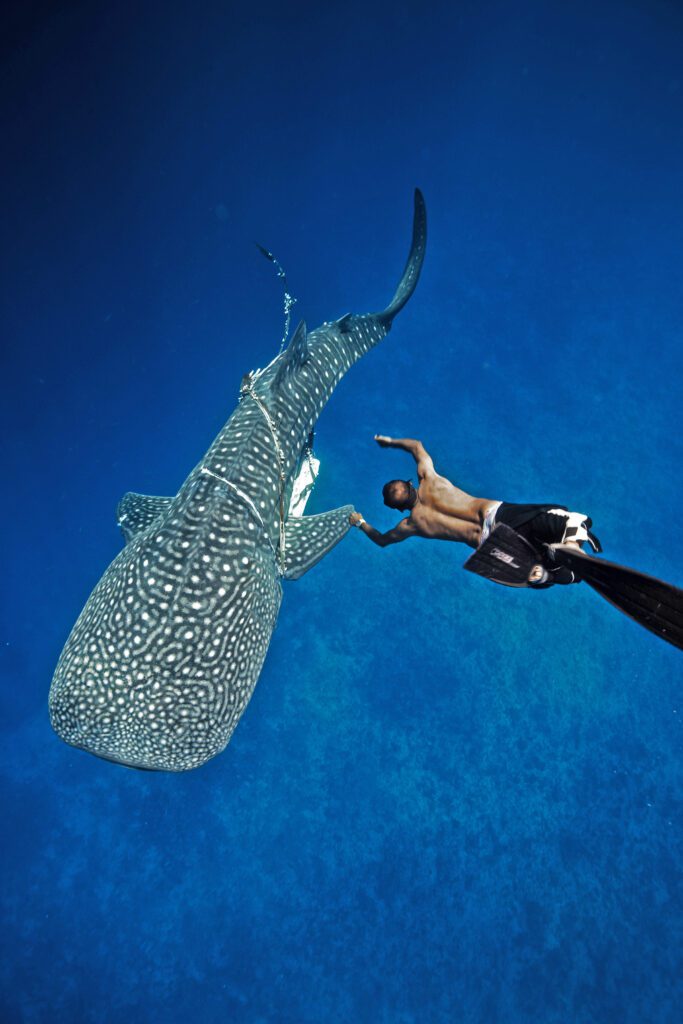
While Whale Sharks are commonly sighted seasonally elsewhere in the Maldives, Fuvahmulah’s location allows opportunistic encounters with these massive filter feeders. Drawn by plankton-rich currents, they sometimes pass close to the island’s reef, giving divers unforgettable open-ocean encounters with the world’s largest fish.
Mantas and Other Pelagic Wonders
Oceanic Manta Rays
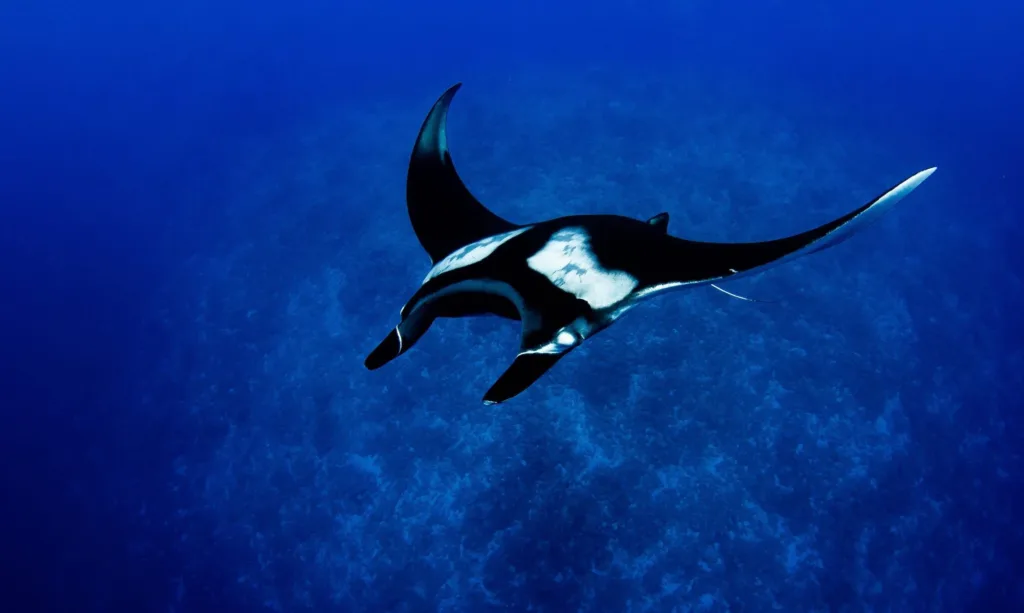
Fuvahmulah is one of the Maldives’ best locations to encounter Oceanic Manta Rays (Mobula birostris)—the world’s largest ray species. With wingspans exceeding seven meters, they glide through the deep blue, using the island’s currents as cleaning and feeding grounds.
Other Pelagic Species
The island’s waters attract:
- Massive Yellowfin Tuna
- Skipjack Tuna
- Barracuda schools
- Mobula rays
The sheer biomass and density of marine life found near Fuvahmulah typically require days spent in open ocean—yet here, it is found just meters offshore.
Yellowfin Tuna: Dominion of the Deep
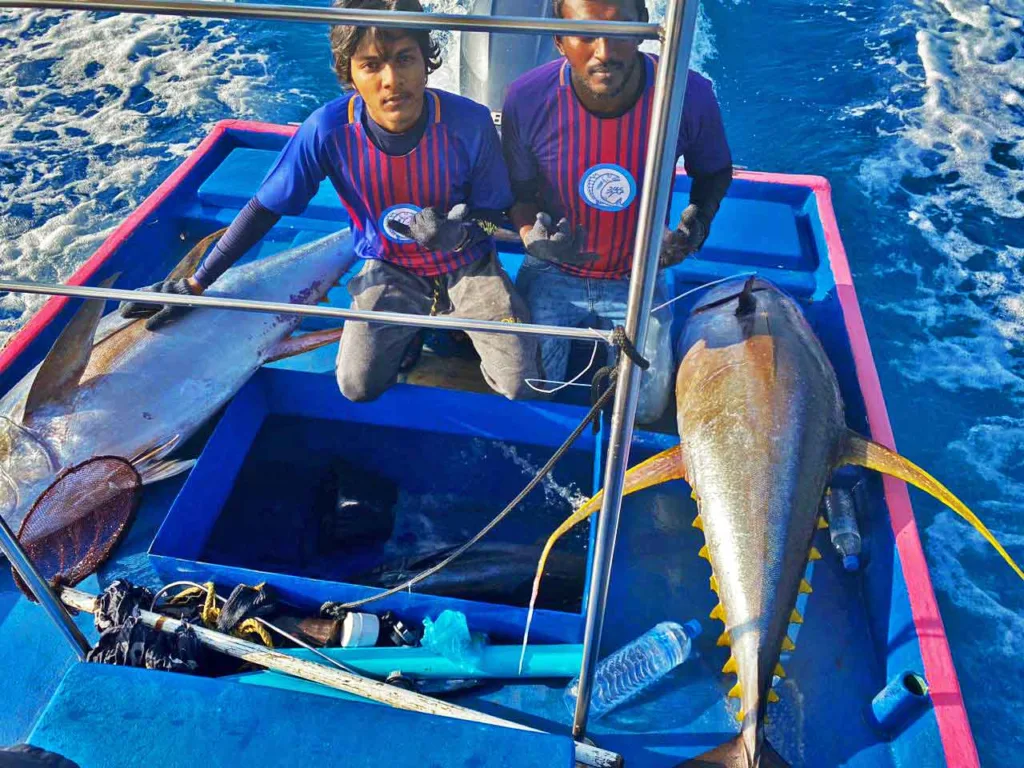
Yellowfin Tuna (Thunnus albacares) thrive due to the island’s strong currents and rich food chain. Their speed and power make them vital to Fuvahmulah’s fishing economy and a symbol of the island’s deep-sea dominance.
The vast schools that move through these waters reinforce Fuvahmulah’s status as a premier location where the “dominion of the deep” becomes visible.
The Soul of the Sea: Fuvahmulah’s Fishing Heritage
Fishing as Identity
Fuvahmulah’s culture is inseparable from the ocean. Fishing knowledge here is highly refined, passed down through generations who have battled the open sea.
Kattelhi Fishing: A Specialized Tradition
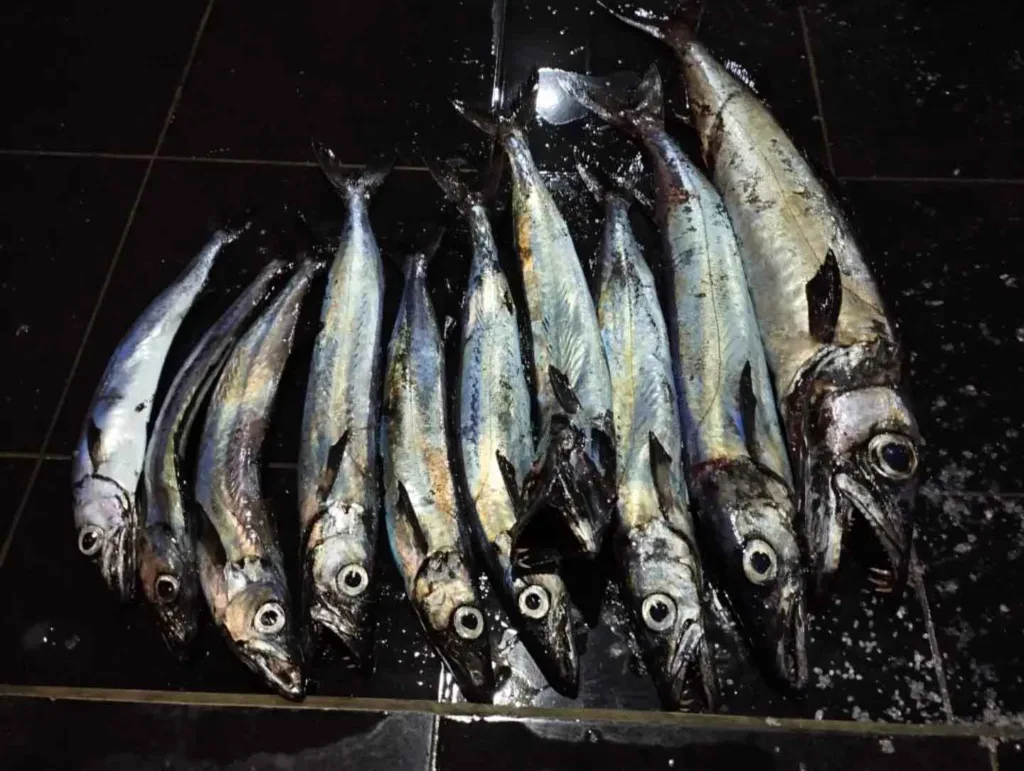
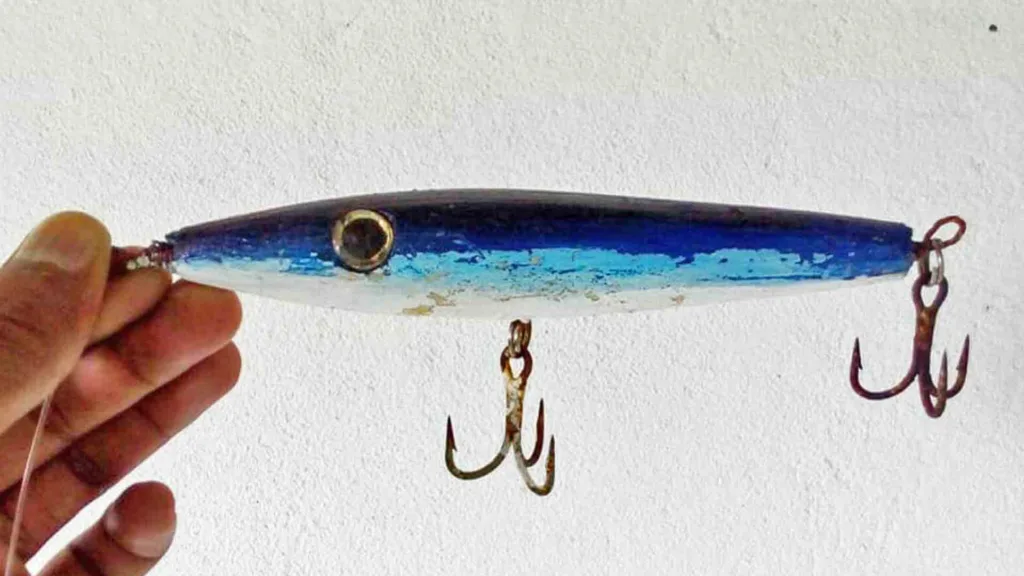
One of the island’s most revered traditions is Kattelhi fishing, targeting the Promethean escolar. This deep-sea pursuit requires specialized knowledge of currents, bait, and unique gear. Mastery of this technique is considered a mark of exceptional skill and deep ocean wisdom.
Tales of the Monster GT
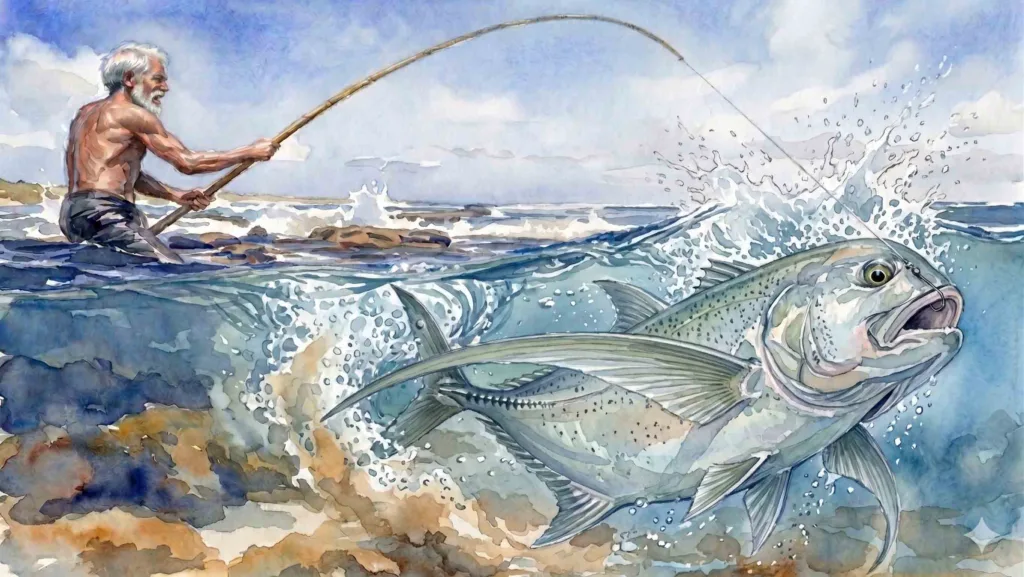
Fuvahmulah’s folklore is rich with dramatic tales of Giant Trevally (GT), known locally as maamudu. These fish are renowned for:
- explosive strikes,
- powerful runs,
- and dangerous battles.
Stories include dramatic escapes and legendary fights, such as the famous tale of a fisherman who survived a near-fatal battle with a “monster GT.” These stories are cultural treasures teaching respect for the ocean’s power.
Swordfish: The Legendary Catch
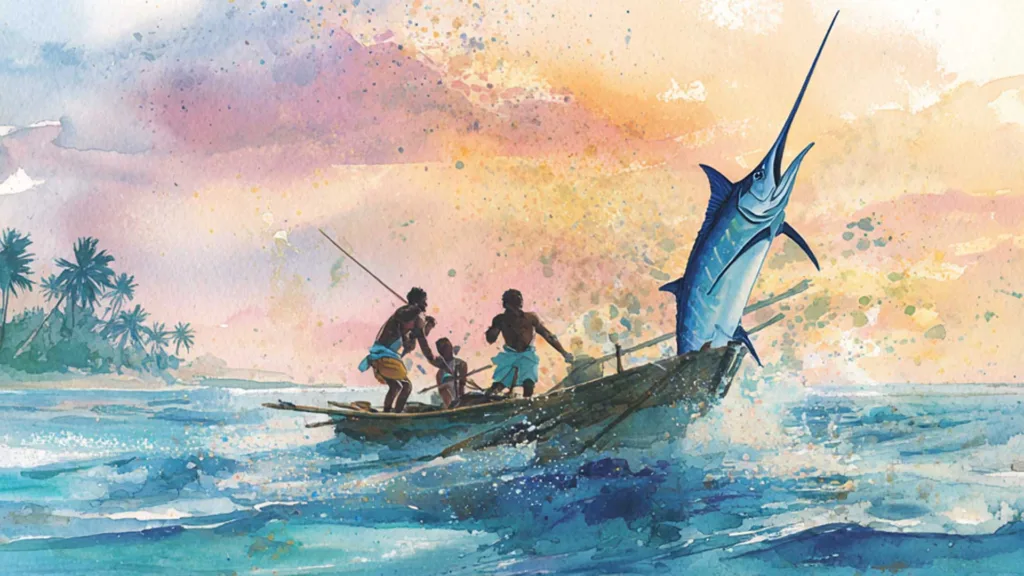
Historical records reveal Fuvahmulah’s long-standing relationship with Swordfish. Before the 1800s, Swordfish were among the island’s most prized catches. Landing a giant Swordfish brought prestige, celebration, and communal sharing. Such stories highlight the strength and bravery of Fuvahmulah’s fishermen.
Unique Terrestrial Features of Fuvahmulah
The Freshwater Lakes: Bandaara Kilhi and Dhadimagi Kilhi
Fuvahmulah is the only island in the Maldives with freshwater lakes.
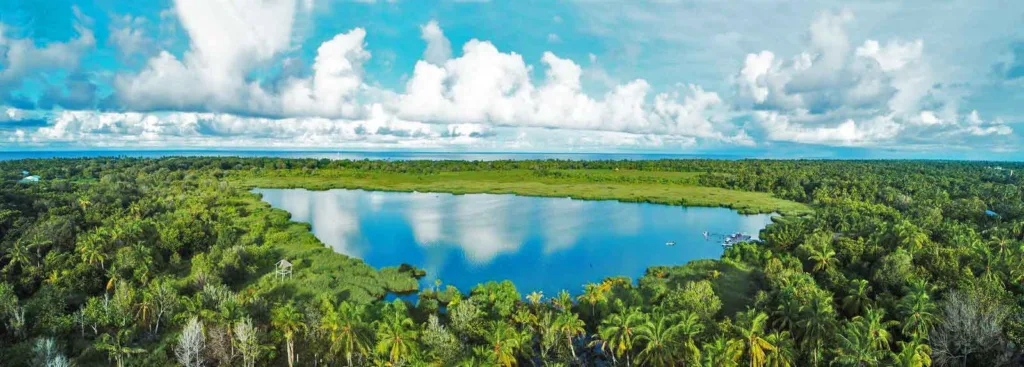
Bandaara Kilhi and Dhadimagi Kilhi:
- formed in geological depressions,
- rest on a freshwater lens,
- support wetland vegetation and unique birdlife.
Bandaara Kilhi also has cultural importance, historically providing water and aquatic plants.
The Taro Fields: A Green Oasis
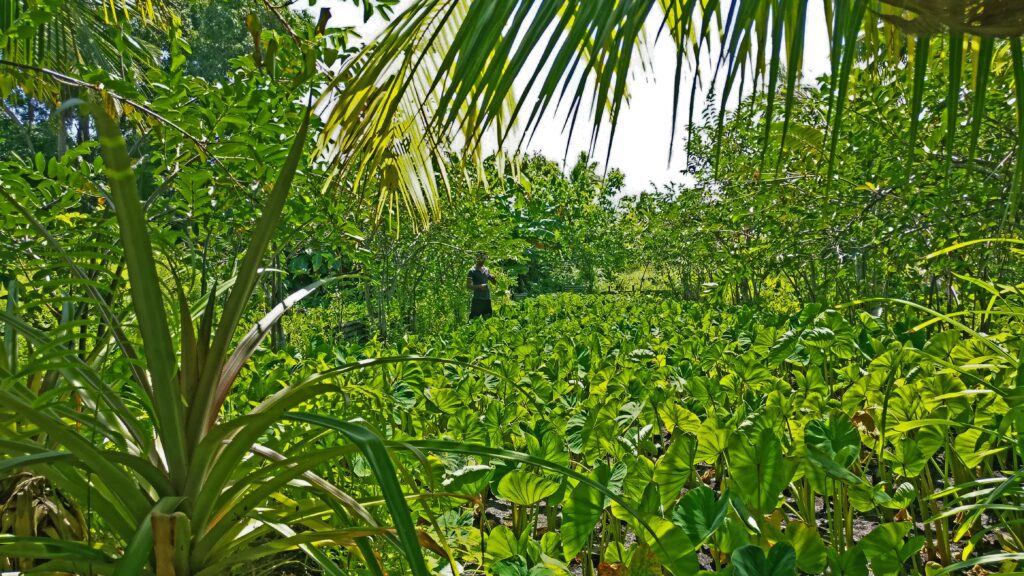
Fuvahmulah’s fertile wetlands support vast taro fields (Ala), making the island unique in the Maldives. The island’s bowl-shaped topography transformed a former lagoon into freshwater wetlands that nourish taro crops.
Taro remains:
- a cultural staple,
- a key food source,
- a living symbol of the island’s agricultural heritage.
Thoondu Beach and the ‘Elei’ Waves
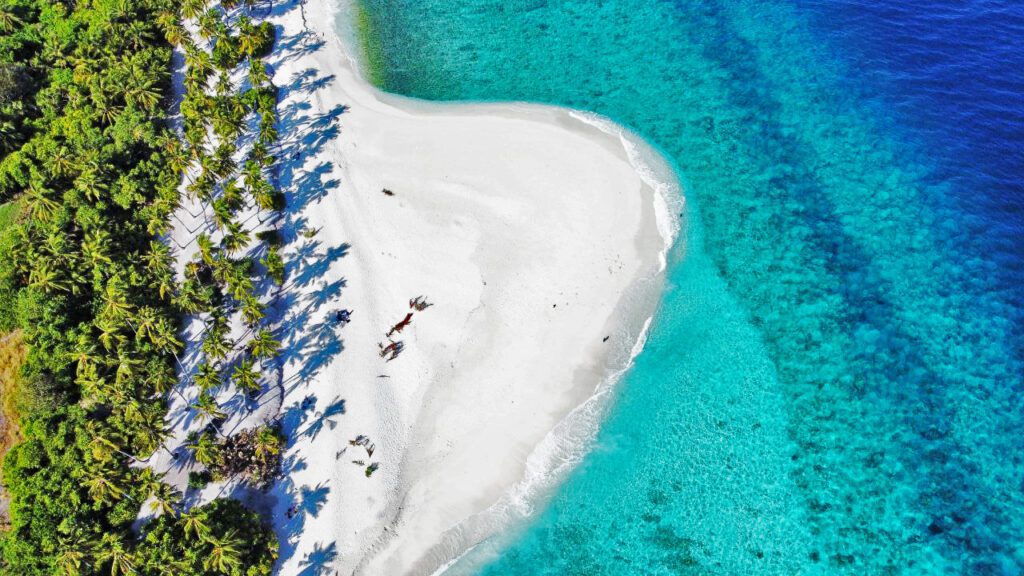
Thoondu Beach: The Shoreline of Legends
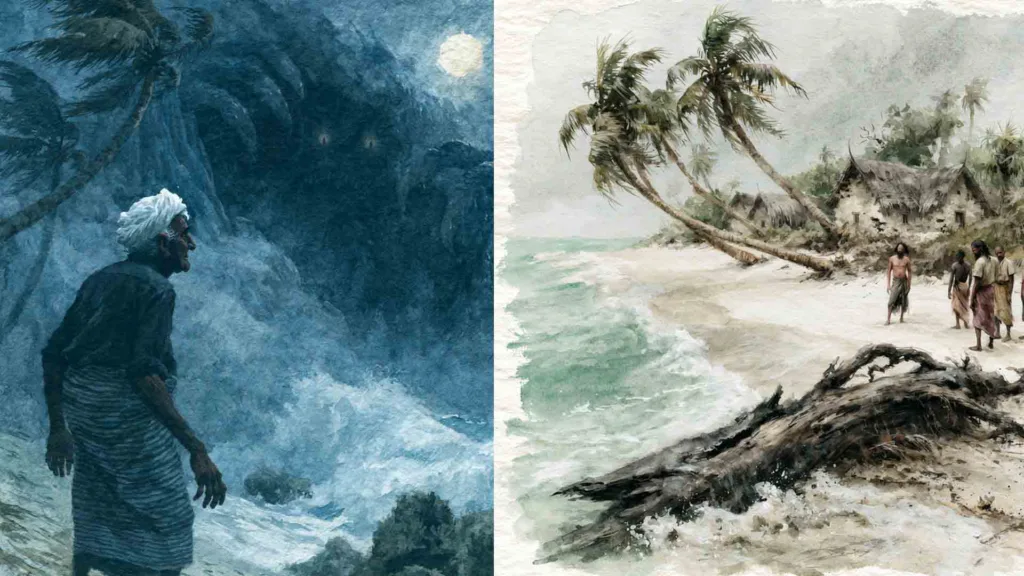
Thoondu Beach, located on the north coast, is exposed to the open ocean, creating powerful waves unlike any typical Maldivian lagoon.
Unique Pebbles: Nature’s Masterpiece
Thoondu is famous for its smooth, spherical pebbles—shaped over time by pounding Elei waves. These stones, sometimes called Farikeda, are a geological rarity celebrated worldwide.
The ‘Elei’ Waves
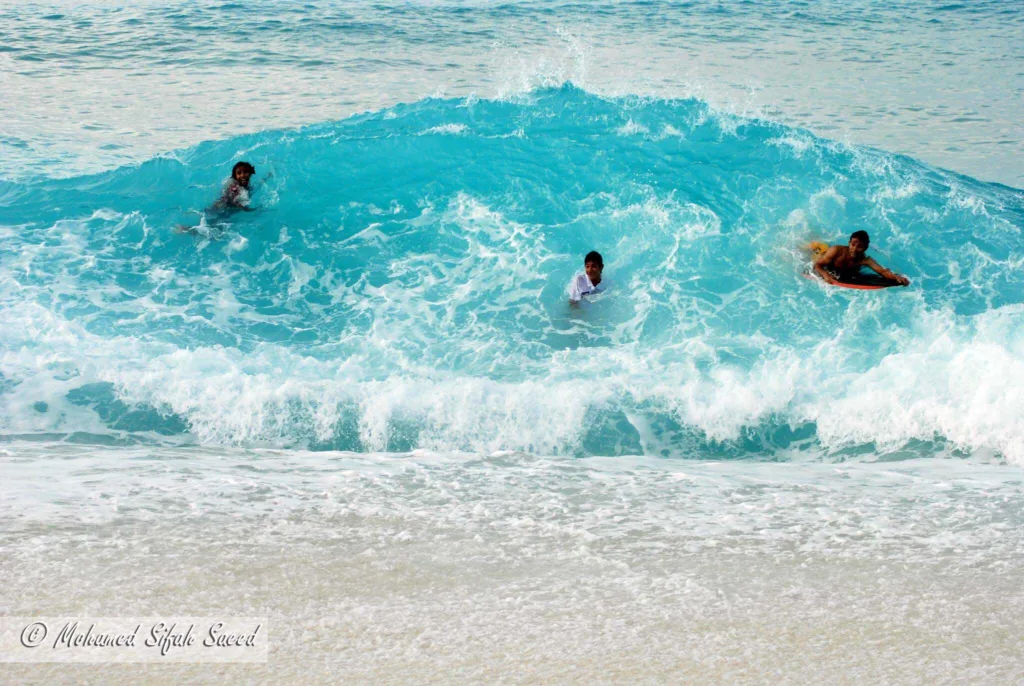
The Elei are powerful waves that embody the raw force of the open ocean. Loved by locals and feared by outsiders, they represent the island’s resilience and natural drama.
Farikeda: Living Reef and Marine Magnet
Farikeda, meaning “the edge of the reef,” is a uniquely exposed reef structure. Local sources call it “Nature’s Incredible Masterpiece.” It is essential for:
- Tiger Shark aggregation
- Thresher Shark sightings
- Oceanic Manta visits
- Believed Whale Shark breeding
It is also culturally significant for attracting Giant Trevally close to shore.
The Island of Resilience
Fuvahmulah is more than a diving paradise—it is a story of:
- ecological resilience
- cultural strength
- and deep connection between land, sea, and people
Its isolated geography has shaped both marine richness and human heritage. From specialized fishing traditions to the nurturing of freshwater lakes, the island remains an authentic and extraordinary jewel of the Indian Ocean.