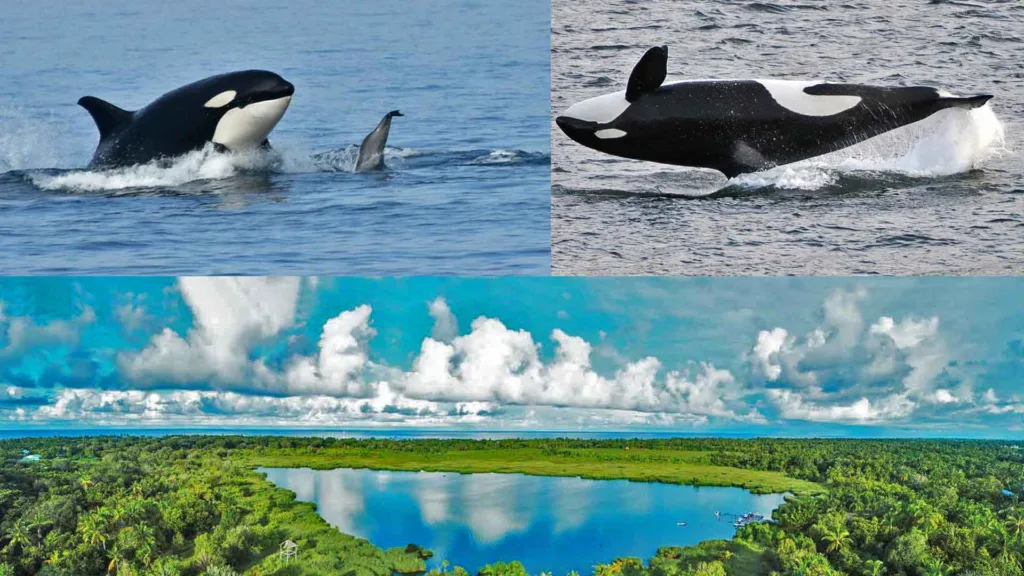
The Endless Sea Stories of Fuvahmulah
From the ancient stories of the mega swordfish catch to the tiniest flowering plants — duckweeds — of Fuvahmulah, this island has endless stories on the land and in the sea. Rising alone in the far south of the Maldives, Fuvahmulah is unlike any other island in the country, shaped by an ocean that is deeper, stronger, and more mysterious than elsewhere in the archipelago.
In recent years, those waters have begun revealing a new chapter in the island’s marine story: the repeated appearance of killer whales (Orca).
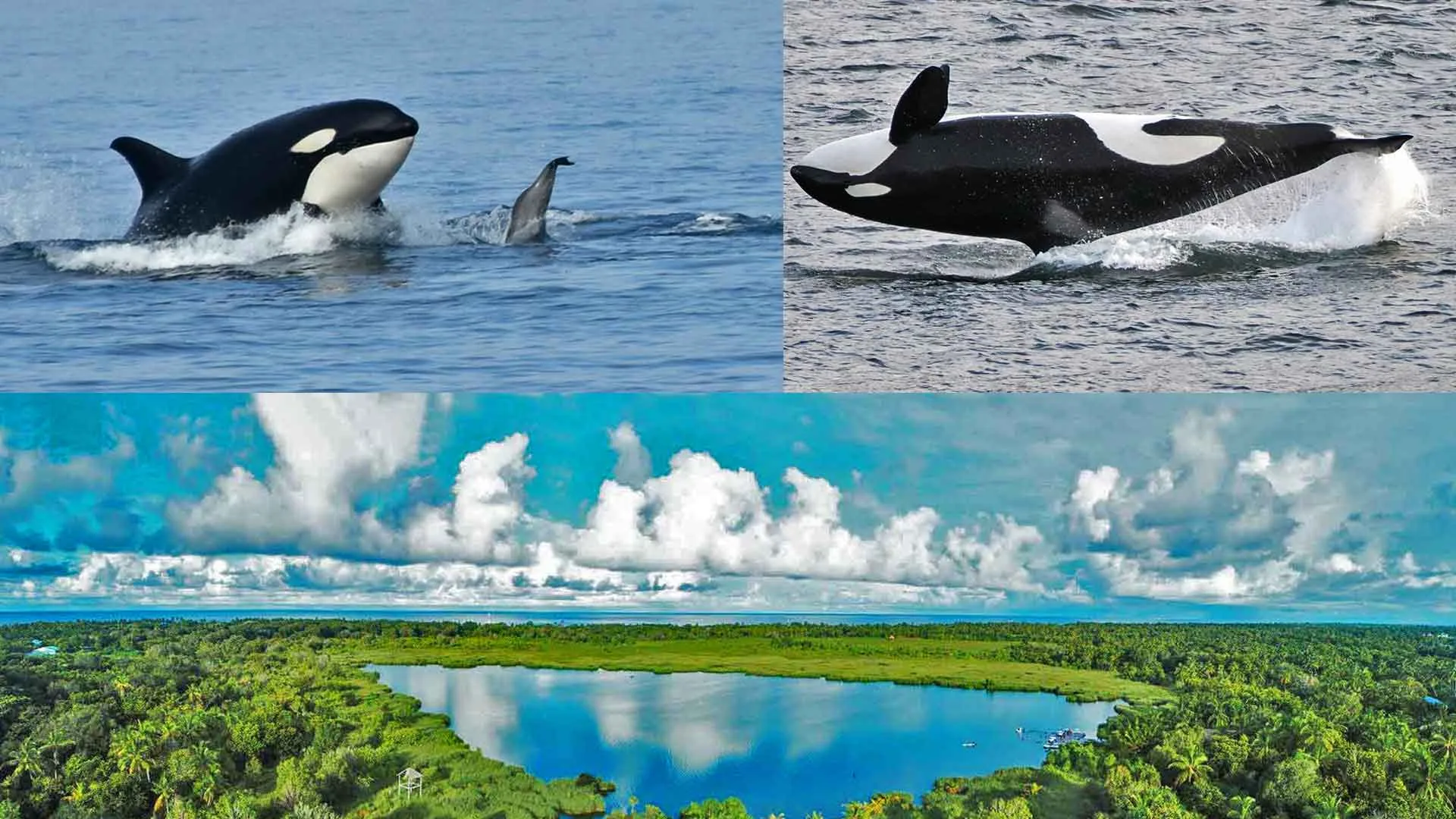
This is the video footage of a group of five killer whales, including a calf, seen in the sea near Thoondu Beach in Fuvahmulah, as posted on Instagram.
An Island Shaped by the Deep Ocean
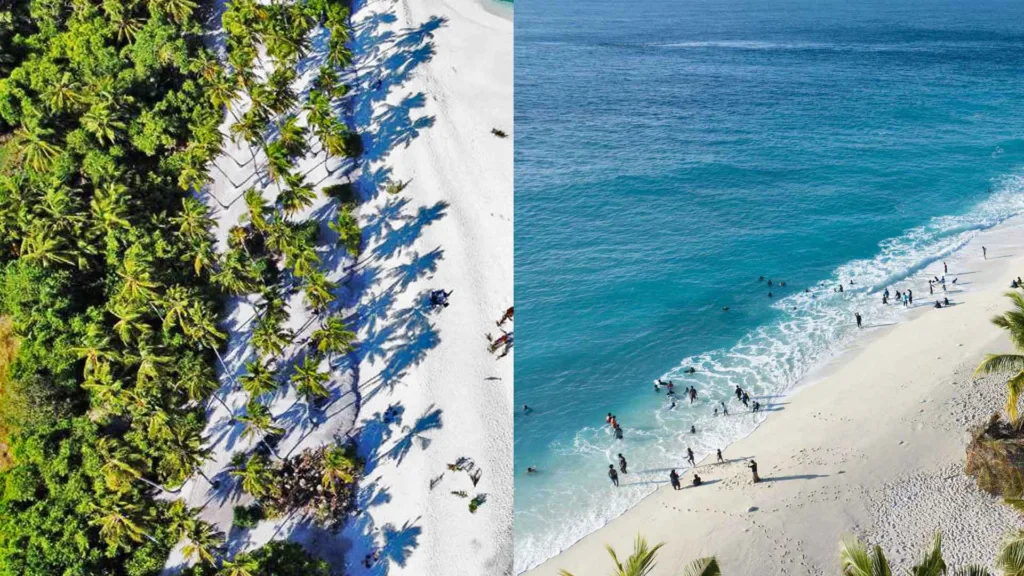
Fuvahmulah is the Maldives’ only true one-island atoll. Unlike the ring-shaped reef systems typical of the Maldives, the island stands alone, fringed by a narrow reef that drops sharply into the open Indian Ocean. Just beyond the reef edge, the seabed descends rapidly to depths of more than 2,000 metres, bringing deep-sea currents, cold nutrient-rich water, and pelagic life remarkably close to shore.
This unique geography creates an environment where oceanic species usually found far offshore can be encountered within minutes of land. Strong currents sweep past the island, concentrating prey such as tuna, squid, and schooling fish. Where food gathers, predators follow — often the largest and most powerful of them.
A Sea Long Known for Giants
Long before killer whales became part of modern sightings, Fuvahmulah’s waters were already famous for giants. Oral histories tell of legendary swordfish and billfish catches, animals so large they entered local lore. Traditional deep-sea fishing practices targeted powerful pelagic species, demanding intimate knowledge of currents, seasons, and the behaviour of the open ocean.
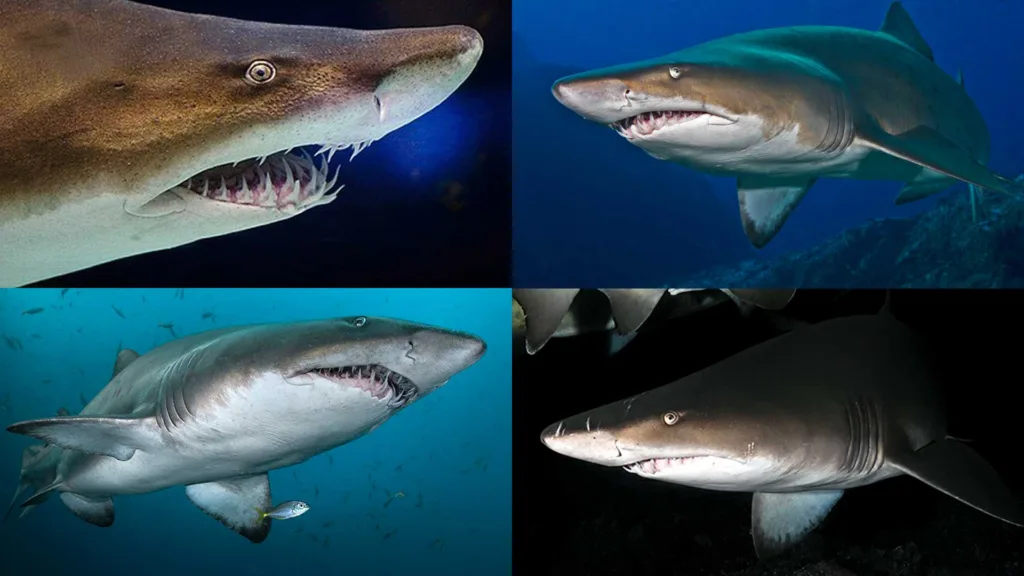
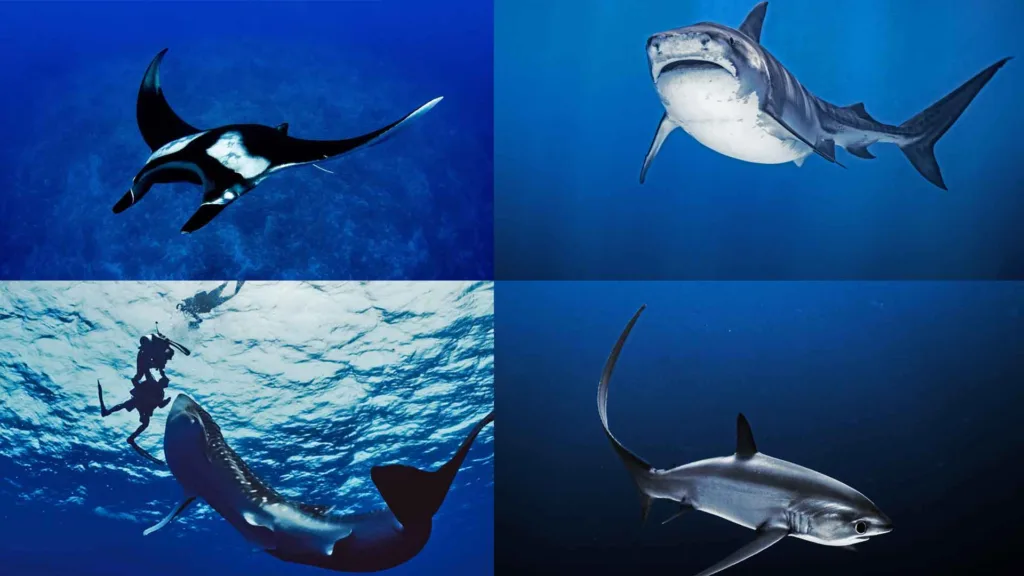
Today, that same ocean continues to host an exceptional diversity of large marine life. Tiger sharks patrol the reef edge year-round, oceanic manta rays arrive at cleaning stations, and schools of tuna move through the surrounding currents. Thresher sharks, hammerheads, and other oceanic predators appear with regularity, forming a complex and productive pelagic food web.
The Arrival of Killer Whales
Against this backdrop, the presence of killer whales in Fuvahmulah’s waters feels less like an anomaly and more like a natural extension of the island’s ecology. Across the Maldives, reported killer whale sightings have increased in recent years, with several observations specifically linked to the deep waters surrounding Fuvahmulah.
These whales — among the ocean’s most intelligent and adaptable predators — are known to roam vast distances in search of prey. They favour regions where deep water, strong currents, and abundant food converge. Fuvahmulah offers all three.
Five Killer Whales, One Calf— A Sighting This Week
That ongoing story gained fresh urgency this week, when divers in Fuvahmulah’s waters encountered a pod of five killer whales, including one calf, moving close to the island. The group was observed travelling calmly along the reef drop-off, their powerful forms cutting through the deep blue with ease.
The presence of a cub makes the sighting particularly significant. Young killer whales are typically seen within stable family groups, indicating that these waters were not merely a passing route, but a place the pod deemed safe. For divers and locals familiar with Fuvahmulah’s marine life, the encounter offered compelling evidence that the island’s surrounding sea functions as more than a transient corridor — it is part of a living habitat for apex predators.
Why Are Killer Whales Appearing Here?
There is no single explanation for the growing number of sightings, but several factors likely intersect. Increased diving and ocean activity mean encounters are more frequently observed and documented. At the same time, shifts in prey distribution and broader oceanographic changes across the Indian Ocean may be subtly influencing the movement patterns of wide-ranging species.
Most importantly, Fuvahmulah’s natural conditions remain constant: deep water close to shore, strong currents, and a reliable food base. These features make the island an ideal meeting point between the open ocean and the reef — a rare interface where even the ocean’s top predators can appear.
A Sea with Memory
Fuvahmulah’s relationship with the sea runs deep. Stories of shipwrecks, castaways, and generations of fishers reflect an island shaped by powerful waters rather than sheltered lagoons. The ocean here has always been both provider and threat, respected for its depth and unpredictability.
The appearance of killer whales is not a break from that history, but a continuation of it — a reminder that these waters remain wild, connected to vast migratory routes far beyond the horizon.
Between the Smallest and the Largest
From still freshwater ponds where duckweeds quietly bloom to reef edges patrolled by tiger sharks, Fuvahmulah is a place of extremes. The island holds some of the smallest forms of life and hosts some of the ocean’s largest hunters, all within a few kilometres of each other.
And somewhere beyond the reef, in water darker than blue, killer whales pass — sometimes unseen, sometimes witnessed — carrying forward the endless sea stories of Fuvahmulah.