Maldives’ Iconic Tiger Sharks — Then the Small tooth sand tiger shark Below
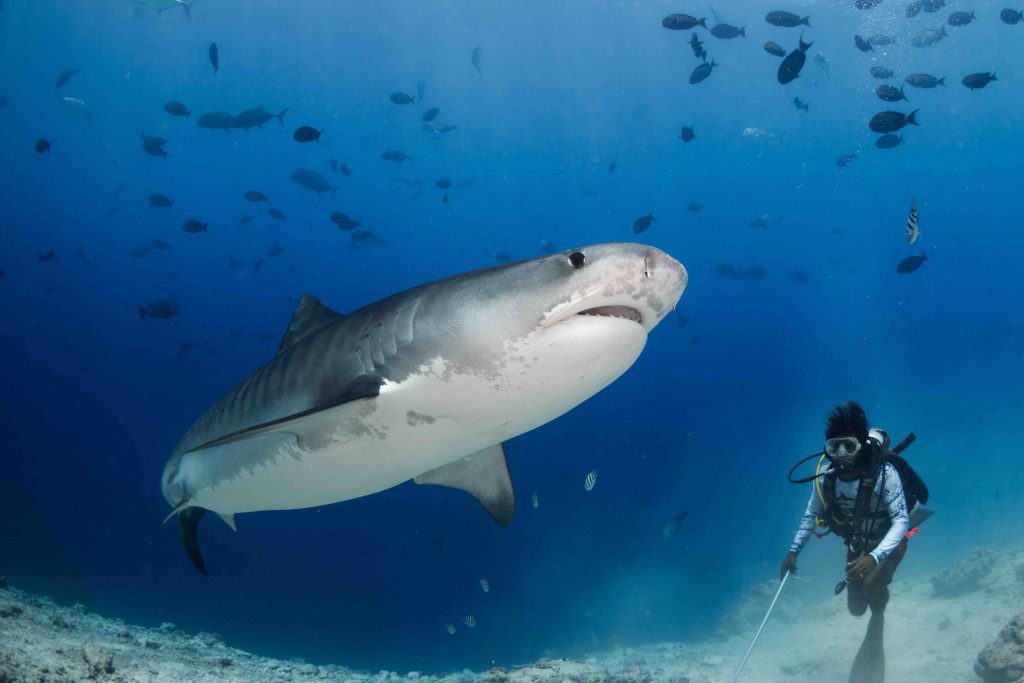
The Maldives’ cerulean seas are famous not just for their coral gardens and manta rays, but also for one of the ocean’s most formidable apex predators — the tiger shark (Galeocerdo cuvier). Around the island of Fuvahmulah, scientists have documented one of the largest localized aggregations of tiger sharks in the world, with hundreds of individuals returning year after year. These powerful sharks patrol deep channels and outer reef slopes in tropical waters, their dark stripes and broad jaws making them unmistakable and a magnet for divers from across the globe.
Yet the Maldives’ shark story doesn’t end with tiger sharks. Far beneath the nearshore plunge pools and drop-offs they frequent, more elusive species roam the deeper shelves — including the Small tooth sand tiger shark, a rarer and lesser-known member of the archipelago’s shark community. While tiger sharks dominate headlines and dive logs, sand tiger sharks quietly patrol deeper waters of the Maldivian ocean, a reminder that these seas sustain a remarkable diversity of shark life far below the sunlit surface.
Traditional Shark Oil Usage in the Maldives
Although the Small tooth sand tiger shark (Odontaspis ferox) possesses a remarkably large liver with a high oil yield — used biologically to maintain buoyancy in deep waters — it was not a mainstay of traditional Maldivian boat maintenance. Its deep-water habitat and relative rarity made it an uncommon catch for traditional fishers.
Instead, Maldivians historically relied on three primary shark species for their oil needs:
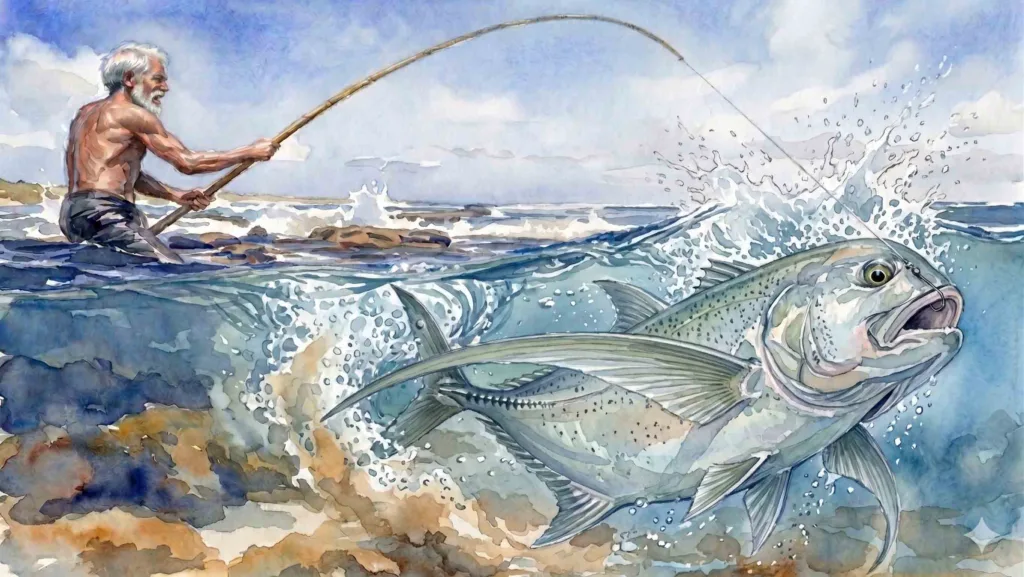
- Tiger sharks (Femunu): The central figure in traditional maa keyolhu kan (big-line fishing). Their massive livers supplied the large quantities of crude oil needed to waterproof and preserve wooden dhonis, often reapplied every few weeks.
- Whale sharks: Historically targeted for their sheer size; a single individual could yield enough oil to treat an entire island’s fishing fleet.
- Gulper sharks (Kashi miyaru): Specifically caught in deep-sea fisheries for their high-quality squalene. While used locally for specialized purposes, this oil became a major export to international cosmetic and pharmaceutical industries in the late 20th century.
Thus, while the sand tiger shark is biologically oil-rich, tiger, whale, and gulper sharks were the true functional pillars of Maldivian maritime practice and coastal economy.
Smalltooth Sand Tiger Shark
Odontaspis ferox
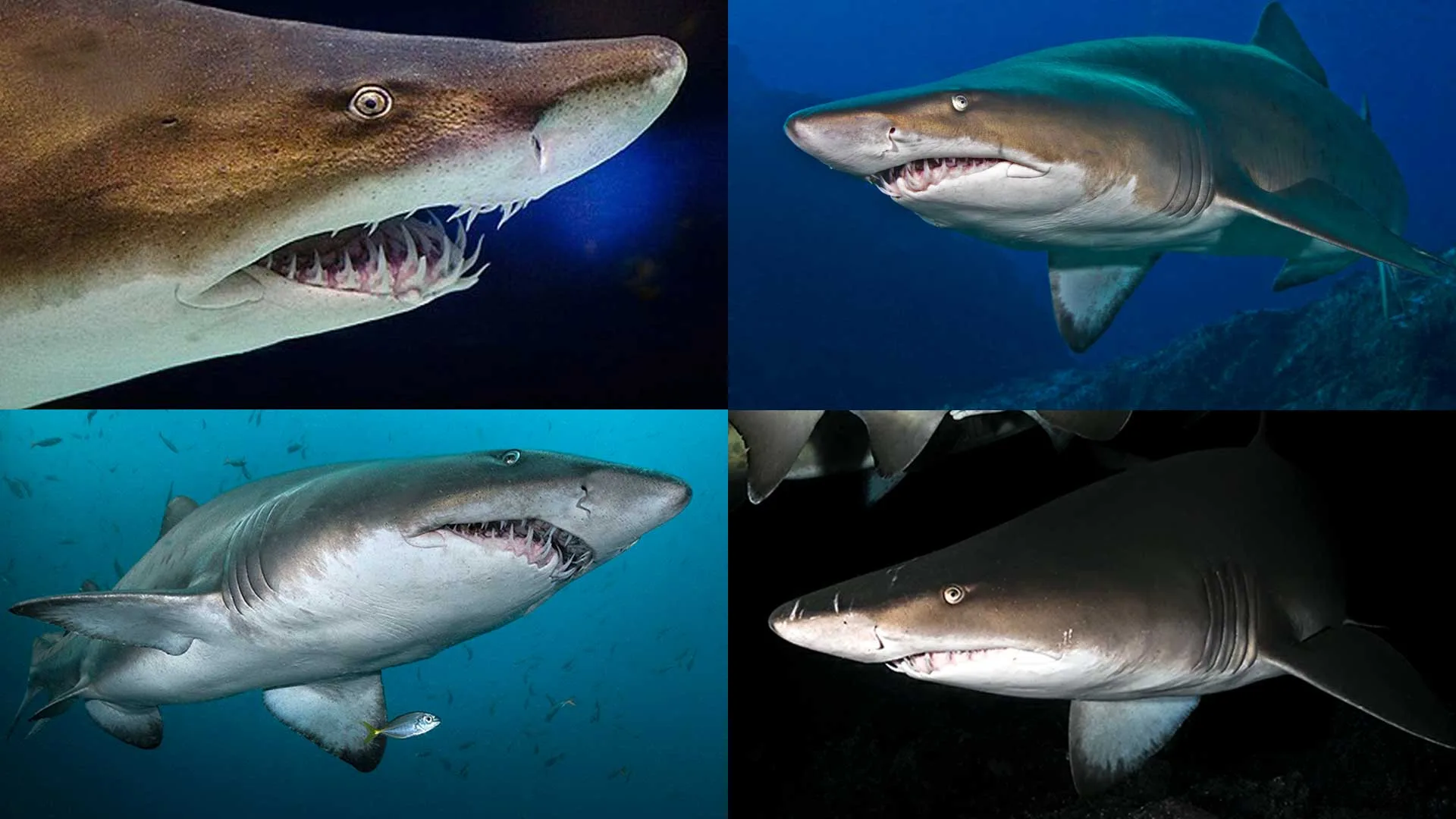
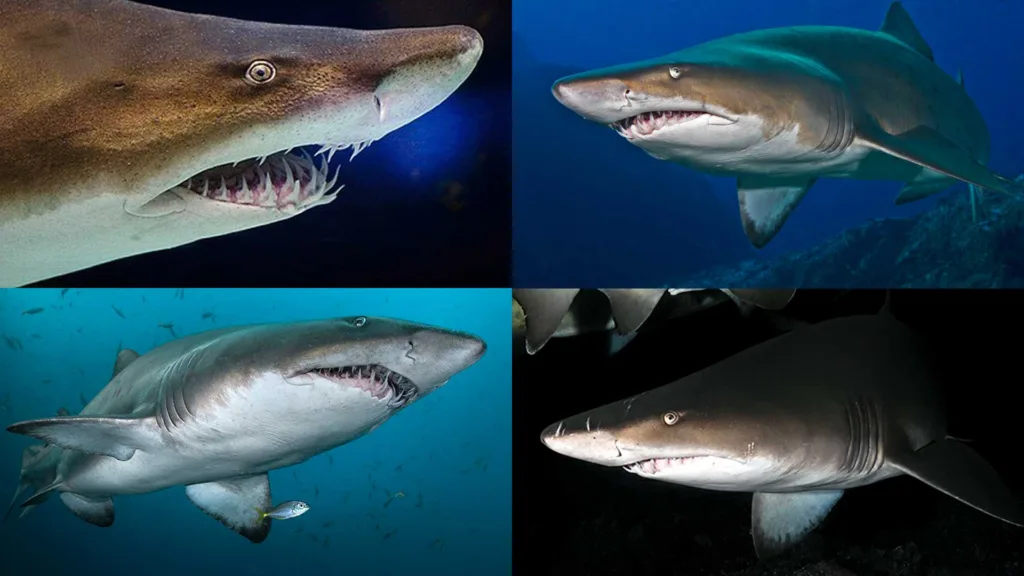
Moving through the dim margins of reef slopes and continental shelves, the sand tiger shark is a powerful yet rarely seen predator of deeper waters. Large and bulky in build, it carries a prehistoric air — one defined by its heavy body, slow confidence, and a mouthful of unmistakable teeth.
The snout is moderately elongated and roundly conical, giving the head a blunt profile. Its eyes are moderately large, adapted for low-light conditions. Most striking are the teeth: long, narrow, and sharply pointed, each flanked by two smaller cusplets. Typically four — sometimes three — rows of small teeth sit between the larger anterior and lateral teeth of the upper jaw, forming an efficient grasping apparatus that protrudes even when the mouth is closed.
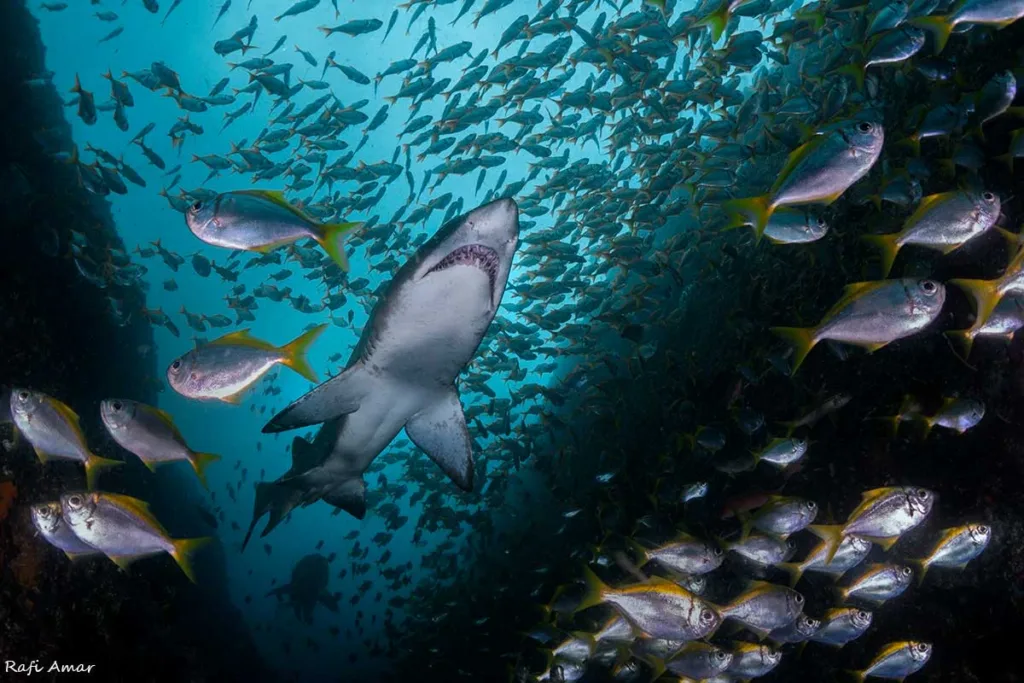
The shark’s coloration is subdued but effective. Its upper body is grey, fading to a pale underside, and some individuals display scattered spots. This muted palette provides camouflage against the dim, open water of its deep habitat.
Small tooth sand tiger sharks occur along deep continental and insular shelves and upper slopes, ranging from approximately 13 to 420 meters in depth. They feed primarily on small bony fishes, squids, and shrimps, often taking smaller or less active prey rather than engaging in high-speed pursuits.
Little is known about the species’ reproductive biology. While direct observations are lacking, it is presumed to be ovoviviparous, with embryos developing inside eggs retained within the mother’s body until birth — a reproductive strategy common among its close relatives.
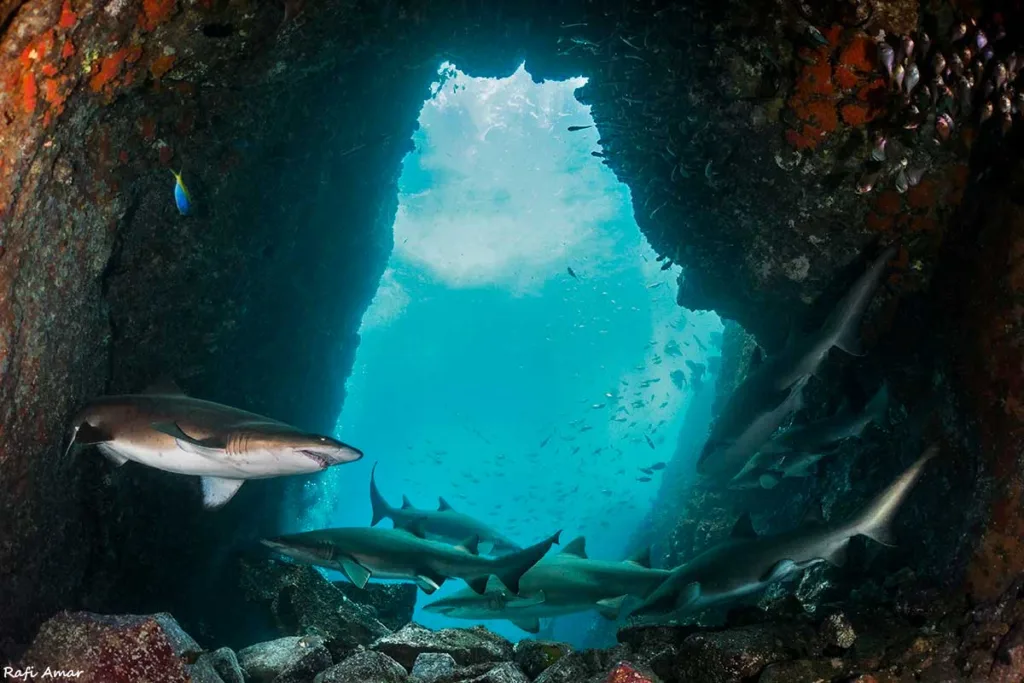
Globally, Odontaspis ferox inhabits both temperate and tropical waters. In the Maldives, it is occasionally caught in bottom-set gillnets along reef slopes, but more frequently appears on deep vertical longlines set outside the atolls for spiny dogfish fisheries, locally known as kashi mivaru keyolhu kan.
Its local names reflect both form and function. Theyo miyaru, or “oil shark,” refers to its large, oil-rich liver, while Meedhaa miyaru, meaning “rat shark,” alludes to its lean, toothy appearance. Despite its formidable dentition, the Small tooth sand tiger shark is not known to be involved in attacks on humans.
A creature of depth and shadow, the sand tiger shark remains one of the ocean’s quieter giants — seen infrequently, understood imperfectly, and emblematic of how much of the deep still lies beyond easy reach.
References
- M.R.S. (1997). Fishes of the Maldives. Marine Research Section, Ministry of Fisheries and Agriculture, Republic of Maldives. 408 pp.
- iNaturalist. Photo observations by Rafi Amar and edubravofer.