In the serene, predawn darkness of Fuvahmulah, the world is a symphony of soft shadows and salt air. While the rest of the island is still asleep, the fishermen are already moving. They push their wooden dhonis, traditional handicraft boats, into the ink-blue surf, their oars creaking in a rhythmic beat that has echoed across these waters for centuries. They row toward the “drop-off,” a place where the turquoise reef suddenly falls away into a deep, silent abyss.
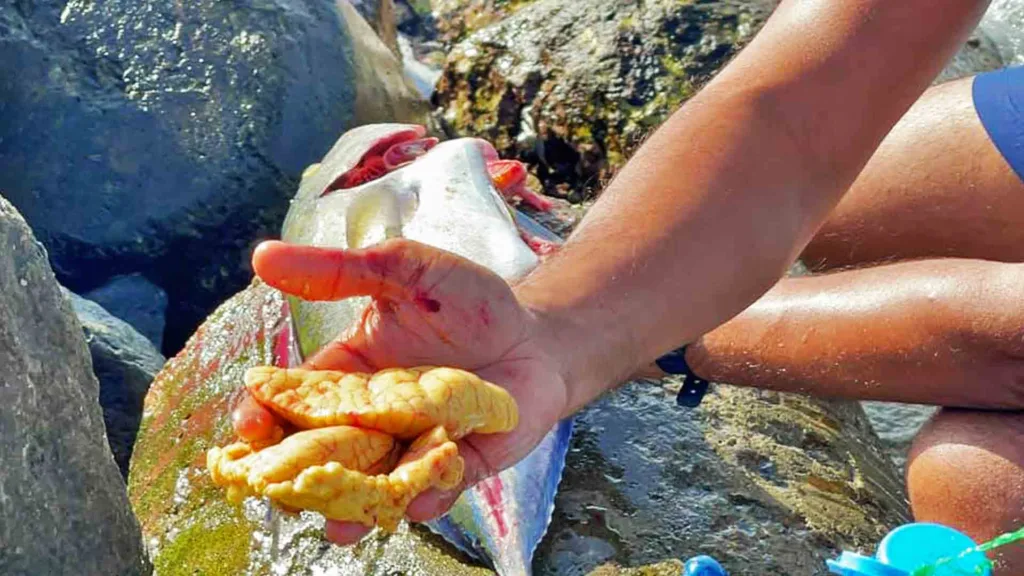
As the sky bleeds into shades of soft purple and gold, the ocean surface begins to wake up. This is the moment they wait for. Before the sun breaks the horizon, the men work with quiet focus. They cast feather lures into the dark water, moving them in a way that mimics small, panicked fish. Suddenly, the lines go taut. With strong, practiced arms, they pull silver-sided skipjack and heavy yellowfin tuna onto the deck. The fish catch the first light of day, flashing like coins against the dark wood of the boat.
The Life Within the Dhoani
Yet, the spirit of the voyage does not depend on the harvest. In the life of a Fuvahmulah mariner, the ocean is unpredictable. There are mornings when the blue water remains empty, when not a single fish is caught, or even a single strike on the bait is observed. On such days, when the heat starts to shimmer off the waves and the work feels heavy, a different kind of life brings soul to the boat. It is the ritual of the madiseela—a small wooden box or woven bag that holds the secrets to a fisherman’s endurance.
As the morning sun climbs higher, turning the Indian Ocean into a sheet of hammered silver, the crew gathers for a moment of rest. The physical labor is paused for a traditional breakfast. They share ripe bananas and heavy, baked snacks brought from home, such as boakiba and garofathafolhi. These “short eats,” made of flour, fish, and coconut, provide the energy needed to survive the blistering equatorial sun.
A Sanctuary of Spice and Smoke
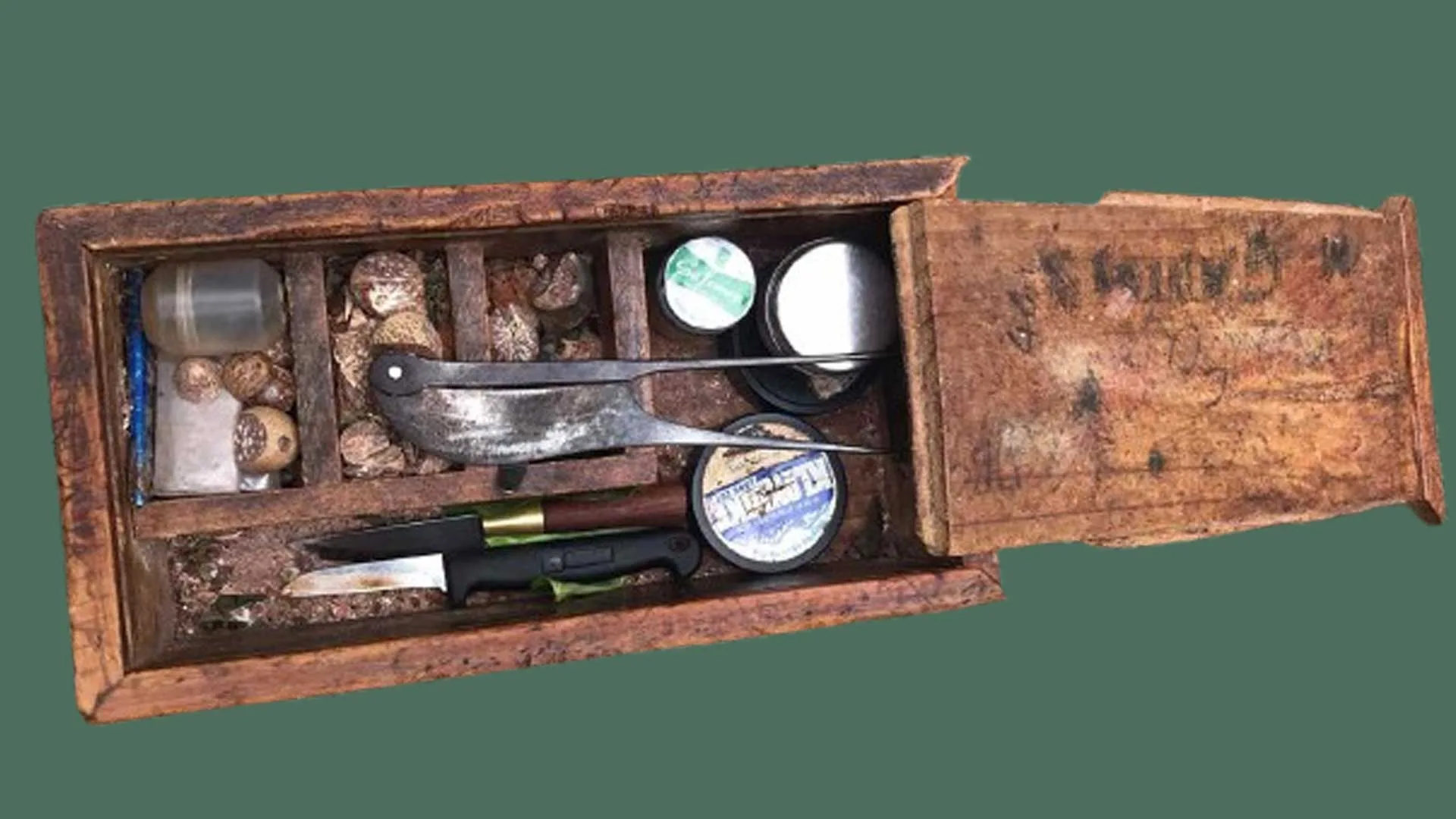
Once their hunger is satisfied, the true ceremony begins: the dhufun. When the madiseela is opened, it releases a fragrant cloud of cardamom, cloves, cinnamon, and afihun (dried opium). Inside this portable pantry is a mosaic of textures. There are hard areca nuts, waxy green betel leaves, and a white paste known as slaked lime. The men carefully assemble their chew, mixing the bitter nut with the sweet spices.
To complete the ritual, they strike matches against worn boxes to light their bidi cigarettes. The blue smoke curls into the air, dancing with the salt spray. The most intense part of the ritual is the tobacco. They take a piece of dry tobacco leaf and tuck it firmly under their upper lip. The effect is fast and powerful. Even as a cool sea breeze blows across the deck, the strength of the tobacco causes beads of sweat to break out across the fishermen’s foreheads and bodies. A deep, relaxed “high” takes over. This feeling acts like a shield, helping the men stay calm and happy even when the sun is dangerously hot or the waves are crashing hard against the timber.
The Captain’s Silent Watch
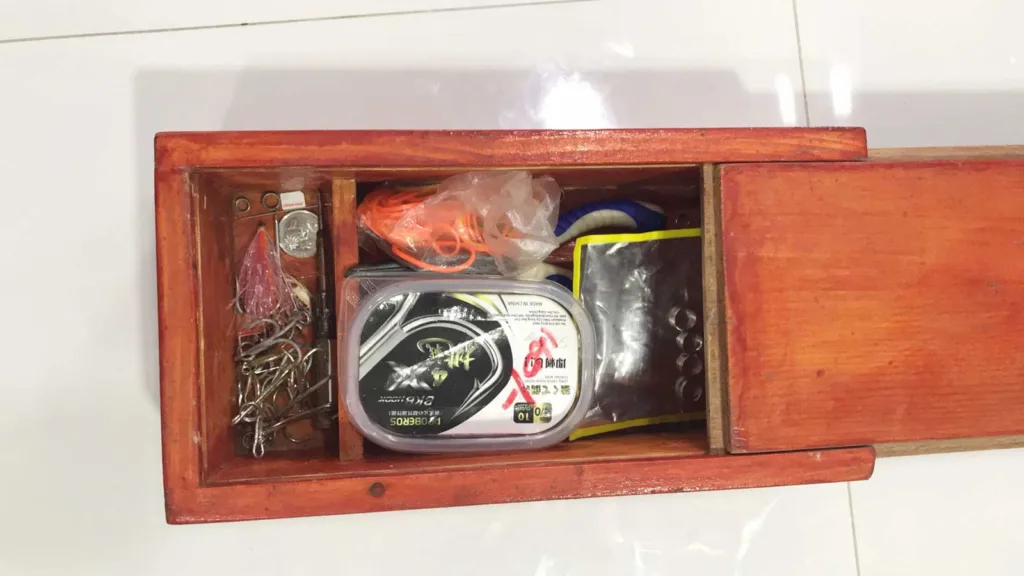
While the crew shares the contents of the madiseela, the social order of the boat remains as steady as the horizon. At the back of the ship, the Keyolhu, or master fisherman, watches over the sea. His authority is symbolized by a special box called the huvanifeyshi. This box is even more important than the others. It is hung by a reinforced strap called an arogoala onto the kumbu kafi, a sturdy wooden plank that serves as part of the ship’s structure.
In this world of salt and wind, respect is the invisible anchor. No crew member would ever dare to sit on the filaagandu—the section of the deck reserved for the captain—nor would they ever touch his huvanifeyshi. Inside this box, the Keyolhu keeps his finest spices and his thaveedhu—sacred amulets or charms used in the practice of fandita (traditional occult magic). These charms are the captain’s silent prayer for protection against the hidden spirits of the deep and a plea for a safe return to land. The word huvani is given to this box as an inside compartment of the box contains barbless hooks that are used to land fish such as skipjack tuna when fishermen encounter hamathi, a school of fish on the surface of water feeding small bait fish.
A True Companion of the Deep
However, the Keyolhu is not a distant leader. He is a generous sovereign. As the smoke of the bidi drifts across the water, he becomes the provider for his men. While they engage in the shared language of the dhufun, the captain reaches into his sacred box and shares whatever his crew asks for. He gives freely, ensuring that every man on the boat feels the same comfort and strength.
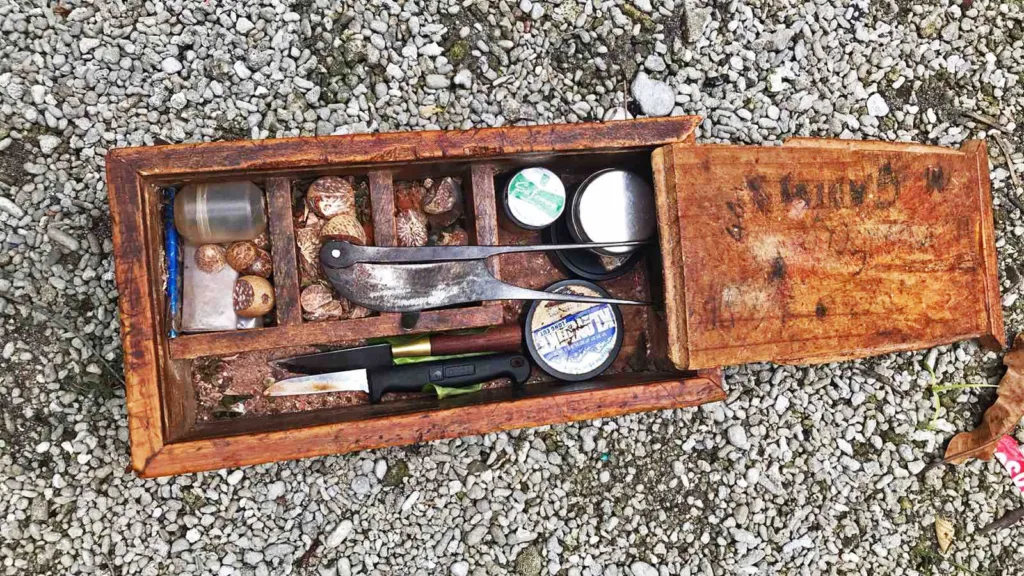
In the lonely, vast wilderness of the open ocean, the huvanifeyshi is more than just a container. It is a “true companion” to the captain and his crew. It is a vessel of spice, magic, and friendship that keeps their spirits united. While the names madiseela and huvanifeyshi are specific to the unique dialect and culture of Fuvahmulah, the practice of dhufun is a common thread that binds almost all fishermen across the Maldives. Though different islands use various designs of boxes and bags to carry their ingredients, the ritual remains the same. Whether the hull is full of tuna or completely empty, this tradition ensures that the heart of the Maldivian fisherman remains strong until the green palms of home rise once again from the foam.
The Cultural Compass
Commonly known as a dhufaa foshi, this traditional wooden box is a staple of Maldivian culture rather than a specific location. It is designed to hold an assortment of ingredients centered around the betel quid, which is prized for its natural stimulant effects. While dhufaa foshi is the general term, the name varies by atoll and region; other names include dhalhugan, dhufaa kothalhu, and dhohana fotta. It is worth noting that while madiseela is often mentioned in this context, it specifically refers to a cloth bag rather than a wooden box.
Author’s Note: This article was inspired by the stories shared by Hussain Didi, an expert fisherman from the Dhadimagu ward of Fuvahmulah. He provided invaluable insight into the history and deep cultural importance of the huvanifeyshi. While the madiseela and various other containers are still used today, the traditional huvanifeyshi was a centerpiece for the Keyolhu roughly 40 years ago. In modern times, many fishermen have transitioned to using bags to carry these essential items, but the spirit of the ritual remains unchanged.