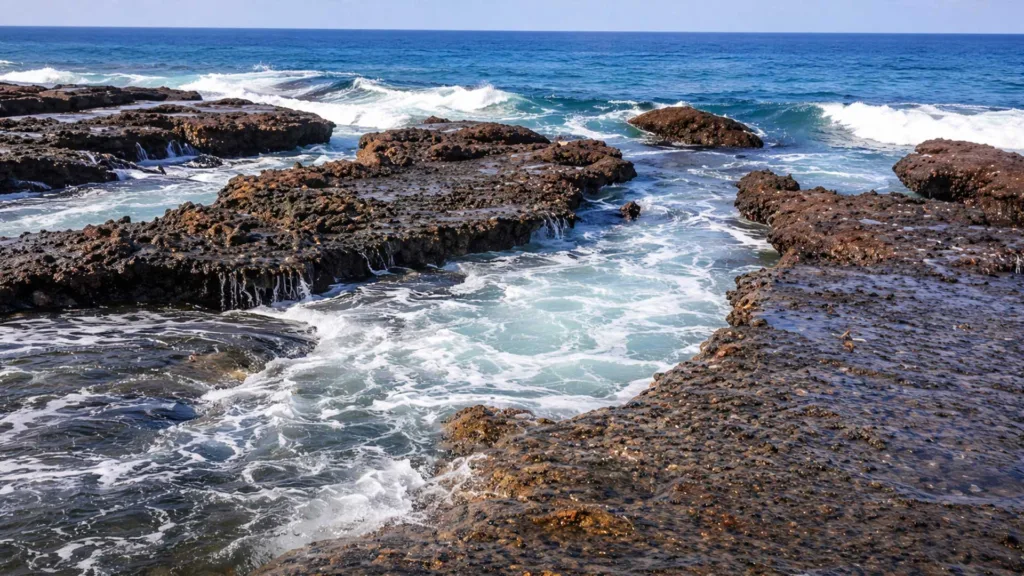
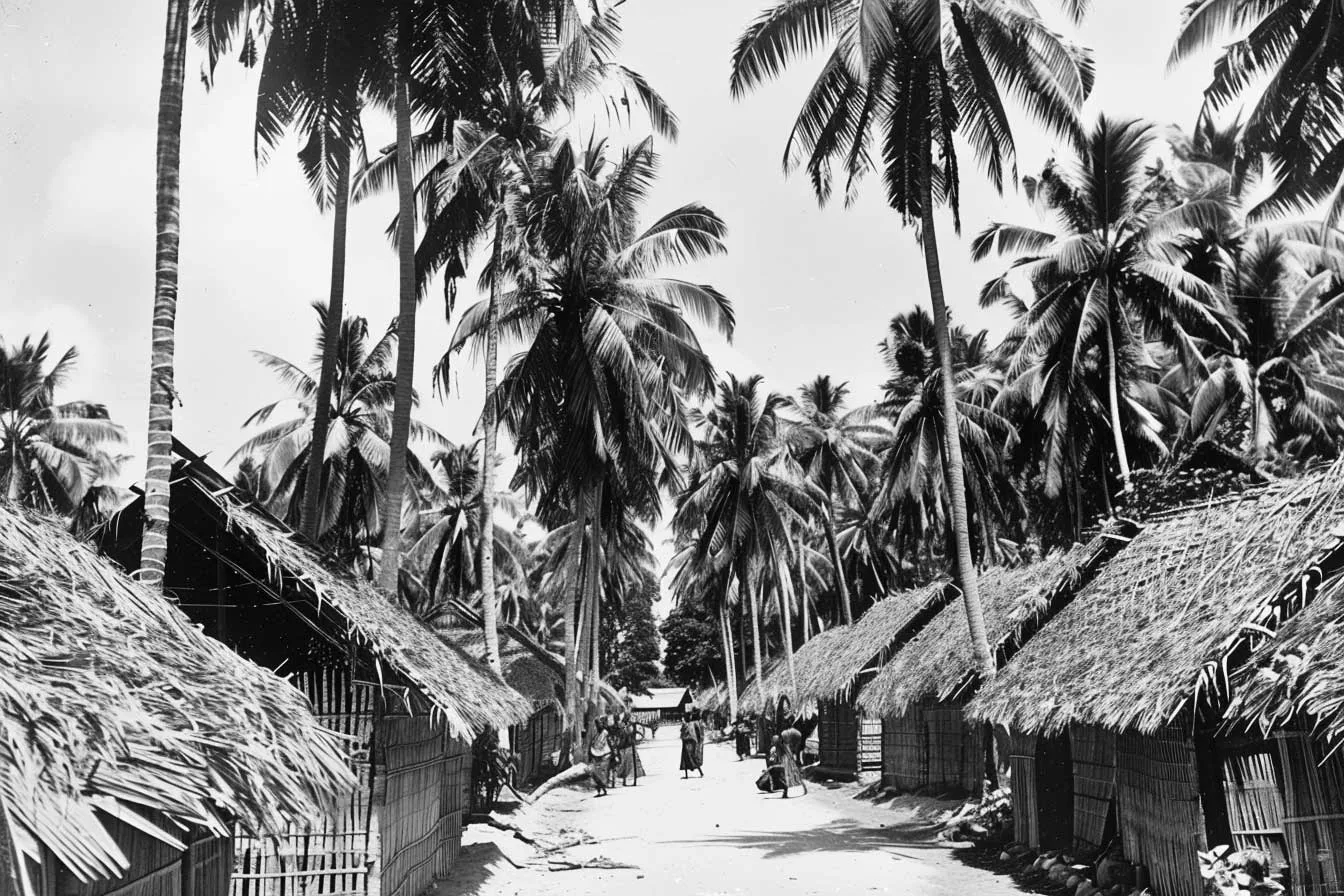
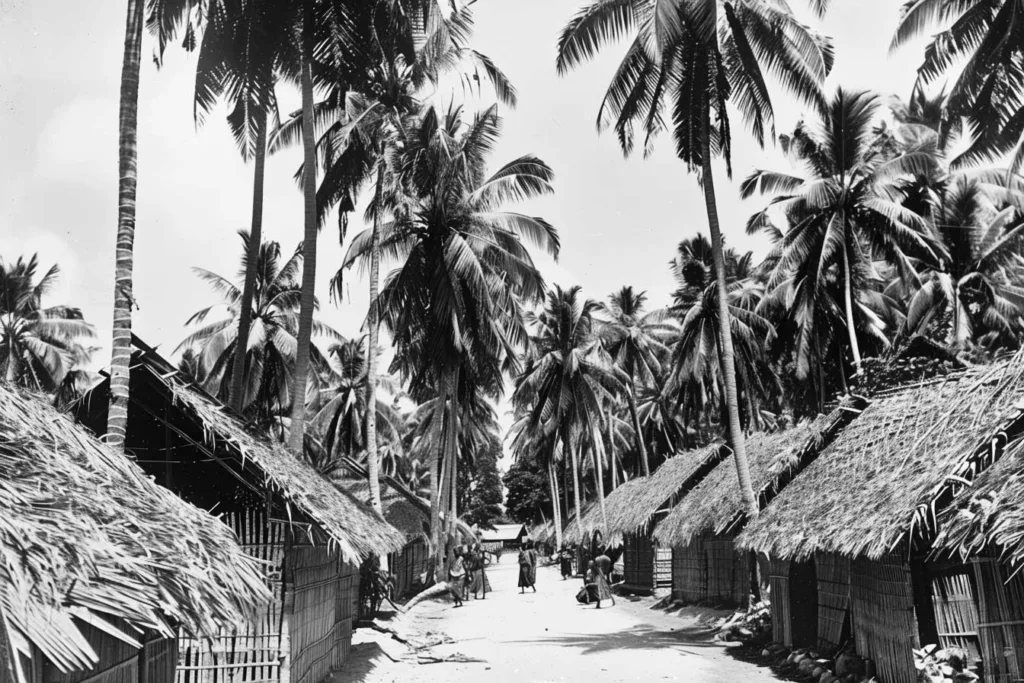
By the time the afternoon light softens across a Maldivian island, shadows stretch beneath coconut palms and wooden houses breathe quietly in the heat—cool, patient, enduring.
Ask most travelers what defines this archipelago, and the answers come easily: powder-white beaches, turquoise lagoons, and villas hovering above the sea. But beyond the postcards exists another Maldives—one shaped not by indulgence, but by necessity, ingenuity, and an intimate understanding of island life.
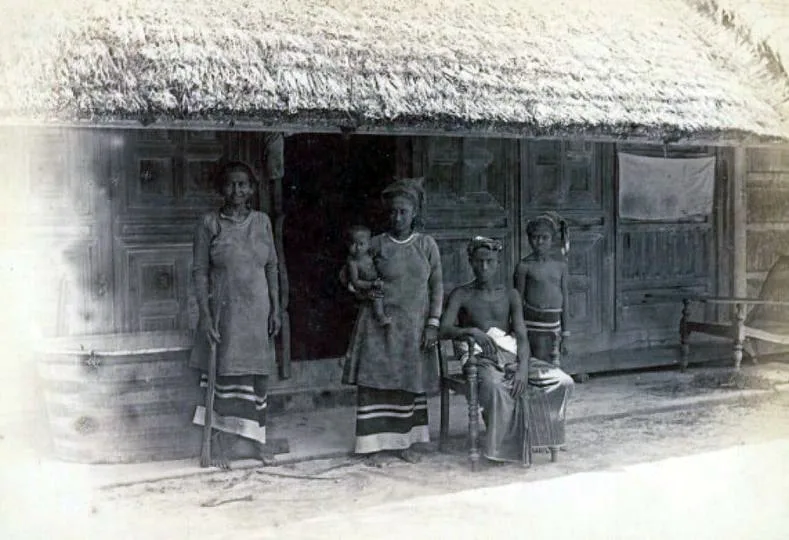
Long before tourism transformed the archipelago, Maldivians built homes that reflected who they were and how they lived. Seen today, the few that remain stand as cultural time capsules—offering rare insight into a way of life increasingly at risk of fading from memory.
Built From the Island Itself
Traditional Maldivian houses rose directly from their surroundings. Builders relied almost entirely on materials gathered nearby: coconut timber, palm leaves, coral stone, and native hardwoods prized for their resilience in salty, humid air.
This was sustainability long before the word entered modern vocabulary. Thatch roofs woven from coconut fronds allowed hot air to escape, cooling interiors naturally. Coral stone foundations lifted homes above damp ground, improving airflow while guarding against moisture. Wooden joints were carefully interlocked rather than nailed, enabling structures to flex gently with time, weather, and storms.
“The result was architecture shaped not by theory, but by lived experience—a masterclass in biomimicry before the term existed.”
Homes Designed Around Daily Life
Inside, the layout followed a clear social rhythm. Spaces were defined by function rather than excess walls. A public front room welcomed guests and community gatherings, while a more private rear room was reserved for family life.
| Feature | Cultural Significance |
|---|---|
| Bodu Ashi | A solid wooden bench anchoring the main room; a symbol of hospitality. |
| Water Jar | Placed at the entrance for visitors to wash their feet; a ritual of mindfulness. |
| The Garden | A vital outdoor room for fruit, shade, and communal conversation. |
Life extended beyond the walls. These yards were as vital as the rooms themselves—places where island life unfolded beneath open skies and swaying palms. Built in modular sections, these houses could expand or shift as families grew. Walls were movable; structures evolved.
A Heritage Under Threat
Today, these houses are disappearing. Concrete construction, urban density, and tourism-driven development have replaced many traditional structures. In some places, replicas remain—designed to resemble tradition without embracing its underlying principles.
The loss is more than architectural. With these homes goes the knowledge embedded within them: how to build with the climate instead of against it, and how design can strengthen community rather than isolate it. What vanishes is not nostalgia, but a living heritage.
Why These Homes Matter Now
As the Maldives confronts rising seas, intensifying storms, and growing energy demands, the principles behind traditional housing feel newly urgent. For travelers willing to look beyond resorts, these houses offer a deeper understanding of the country’s identity—one shaped by resilience, craftsmanship, and adaptation.
These homes are not relics of the past. They are blueprints for a more sustainable future. They remind us that the Maldives’ greatest treasures are not only its reefs and beaches, but also the quiet wisdom of generations who learned to live in harmony with them.