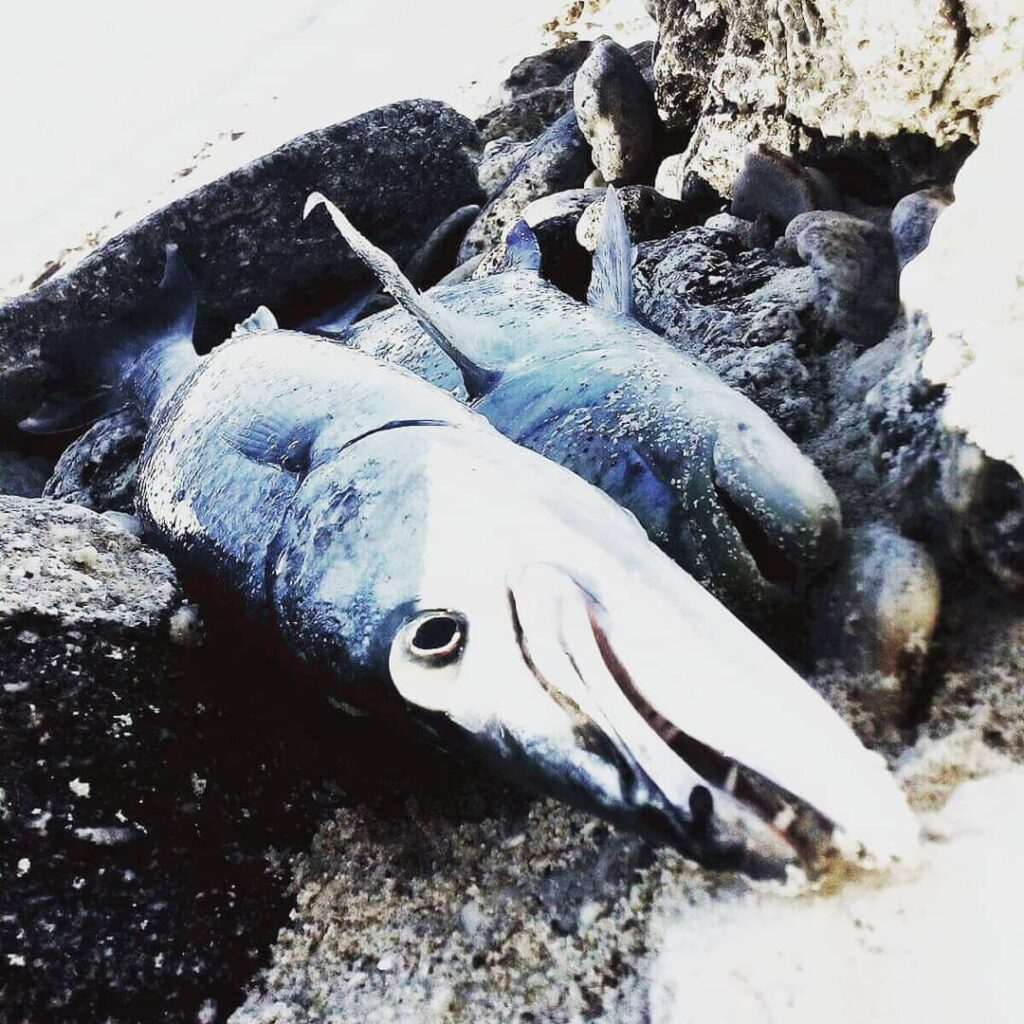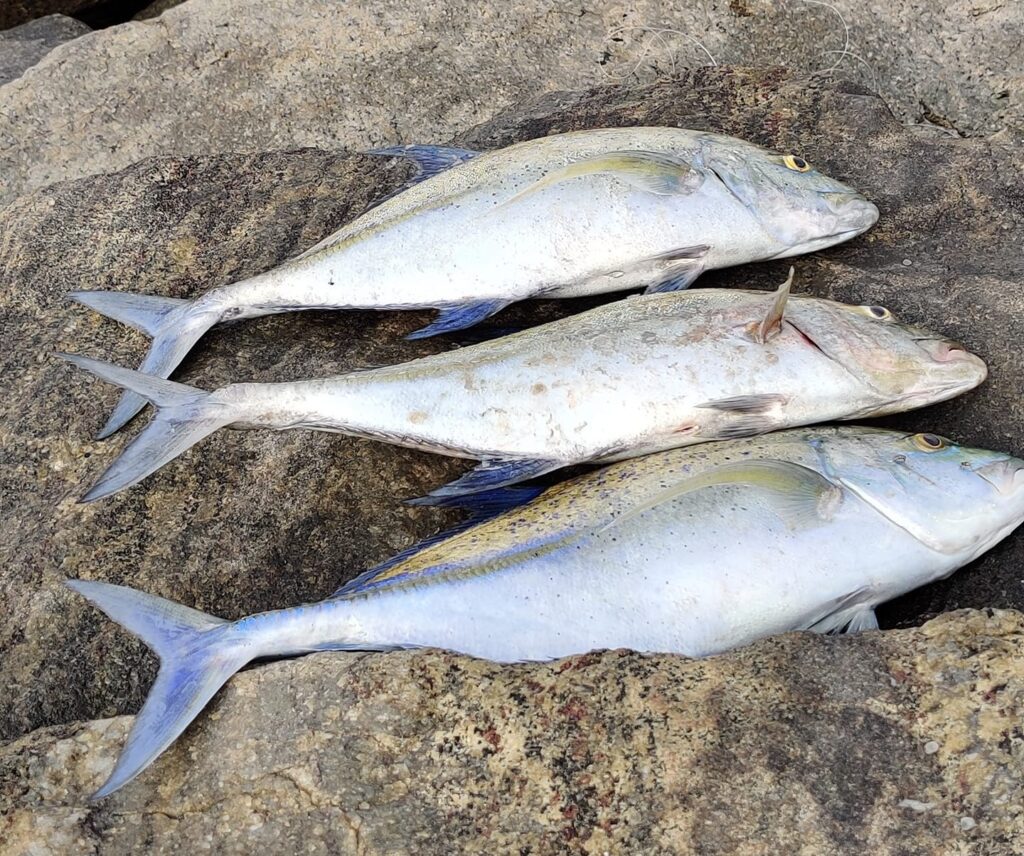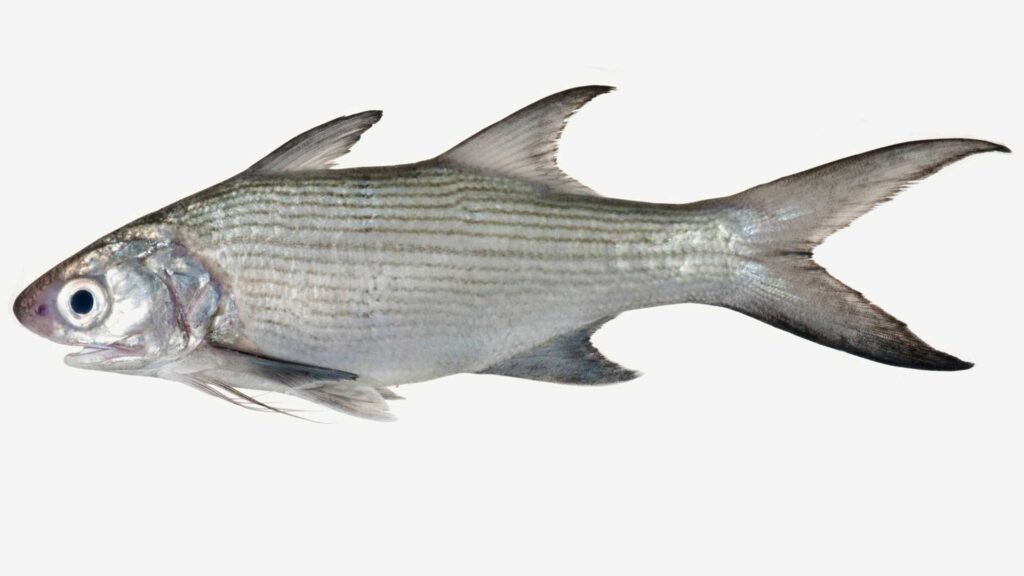
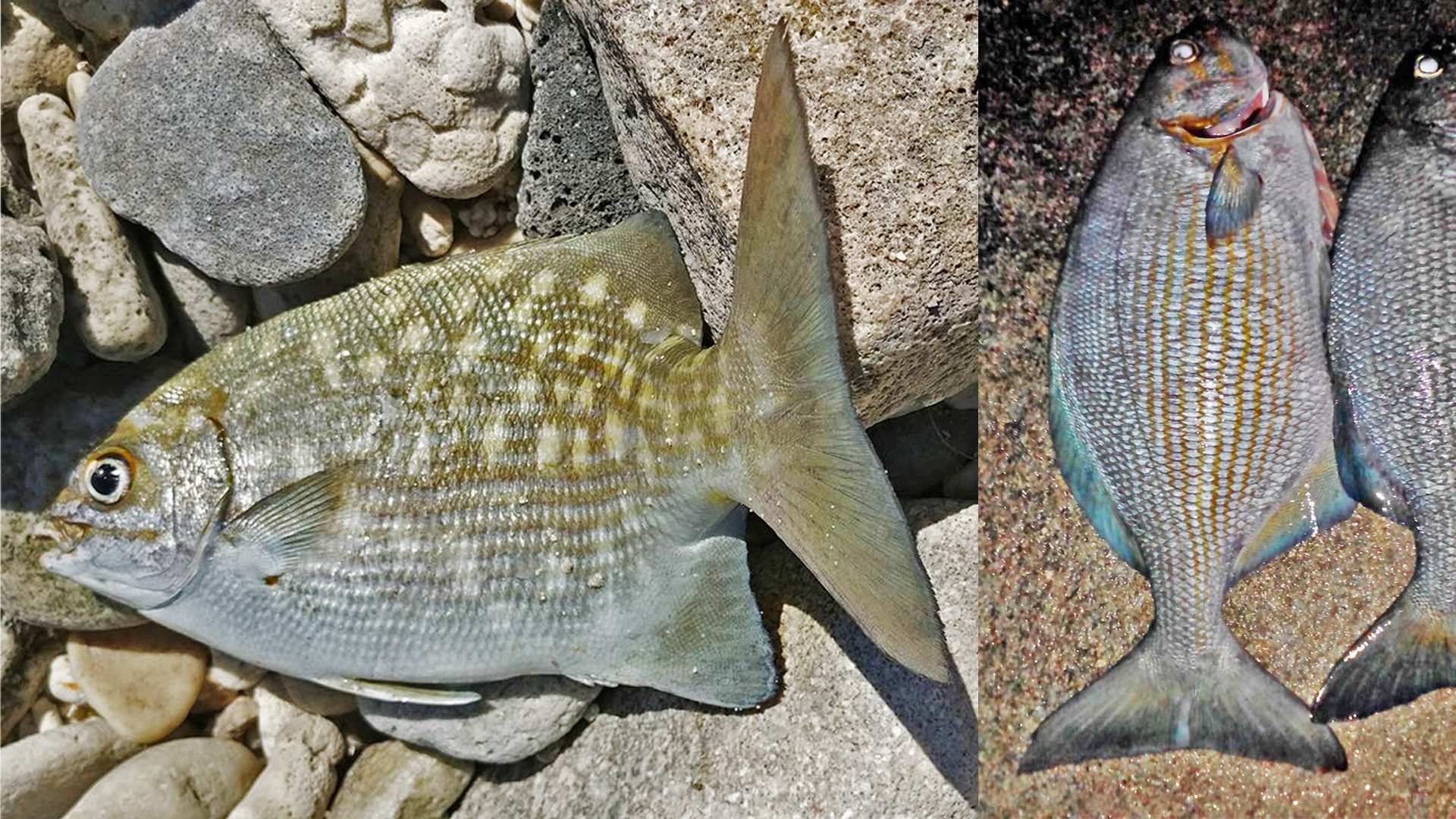
Fishing for the blue sea chub is an experience that demands patience, sharp instincts, and a deep understanding of reef fish behavior. Known locally as kerandiemaha, this species is notorious among anglers for its subtle strikes and deceptive feeding habits. Unlike more aggressive reef fish, the blue sea chub tests both skill and timing, making every successful catch a rewarding challenge rather than a matter of chance.
Catching blue sea chub is particularly difficult because their strikes closely resemble those of several other reef fish, including the blue surgeon, white-spotted surgeonfish, lined surgeonfish, convict surgeonfish, five-banded surgeon-major, and elegant unicornfish. These similarities often make it difficult to distinguish a chub’s bite from that of other reef species.
Rather than swallowing the bait immediately, blue sea chubs often nip, pull, and test the bait without fully committing. This behavior is the most daunting aspect of fishing for this species and requires anglers to remain mentally sharp at all times. Hooking the fish during these brief pulls demands precise timing, which is why many people struggle to catch blue sea chub consistently.
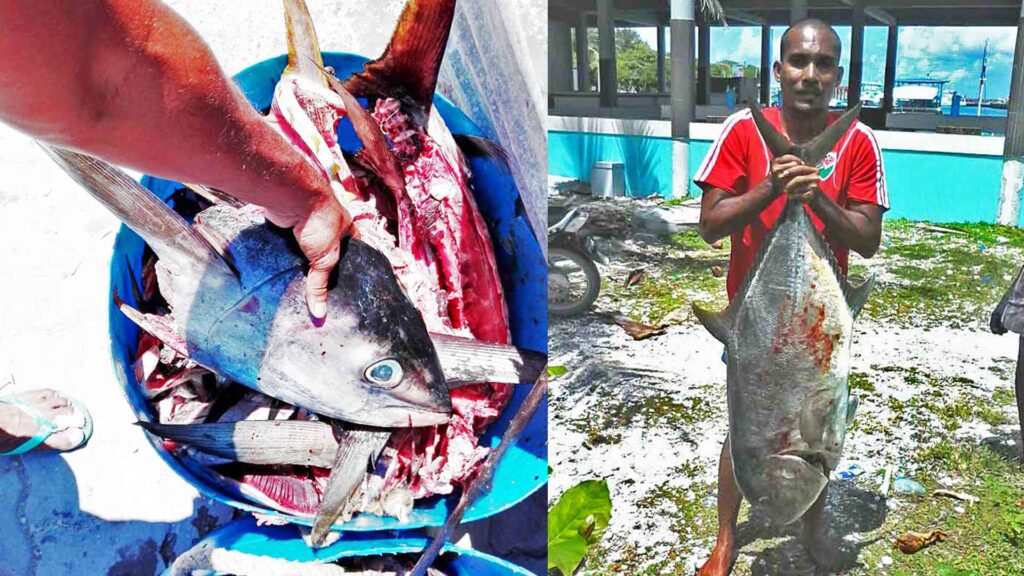
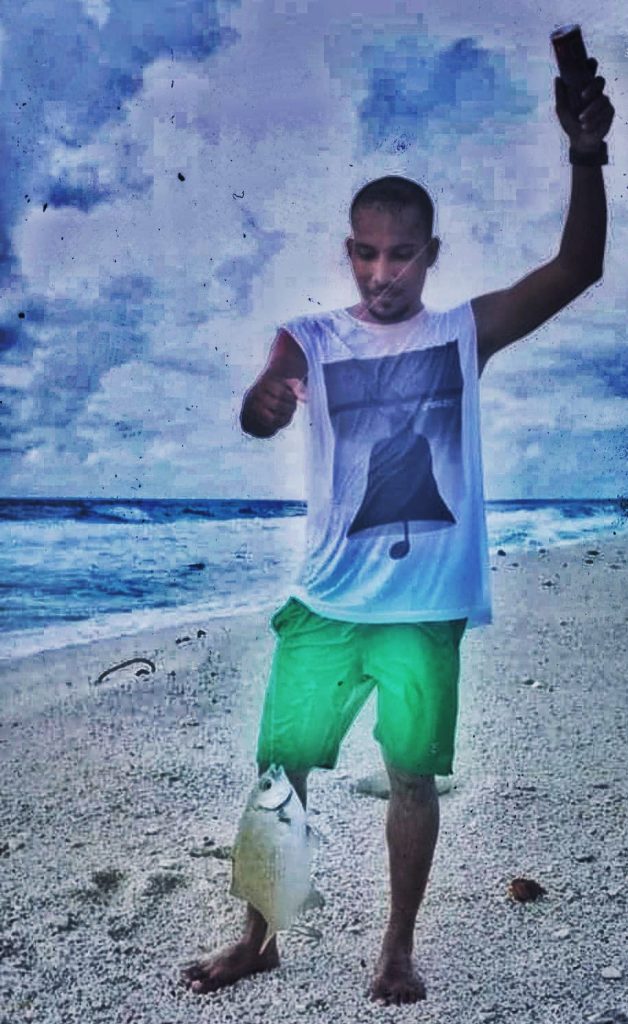
Experienced anglers know exactly when to pull the fishing line and set the hook in the chub’s jaw. The hooks used to catch chubs are extremely small, and the bait usually covers the entire hook, making it difficult to secure a clean hook through the jaw or mouth. My best friend, Shujau, is one of the most skilled fishermen at landing these tricky fish. On a good day, he may land four or five chubs, though many outings end empty-handed. The larger chubs we catch are locally known as Basthaa.
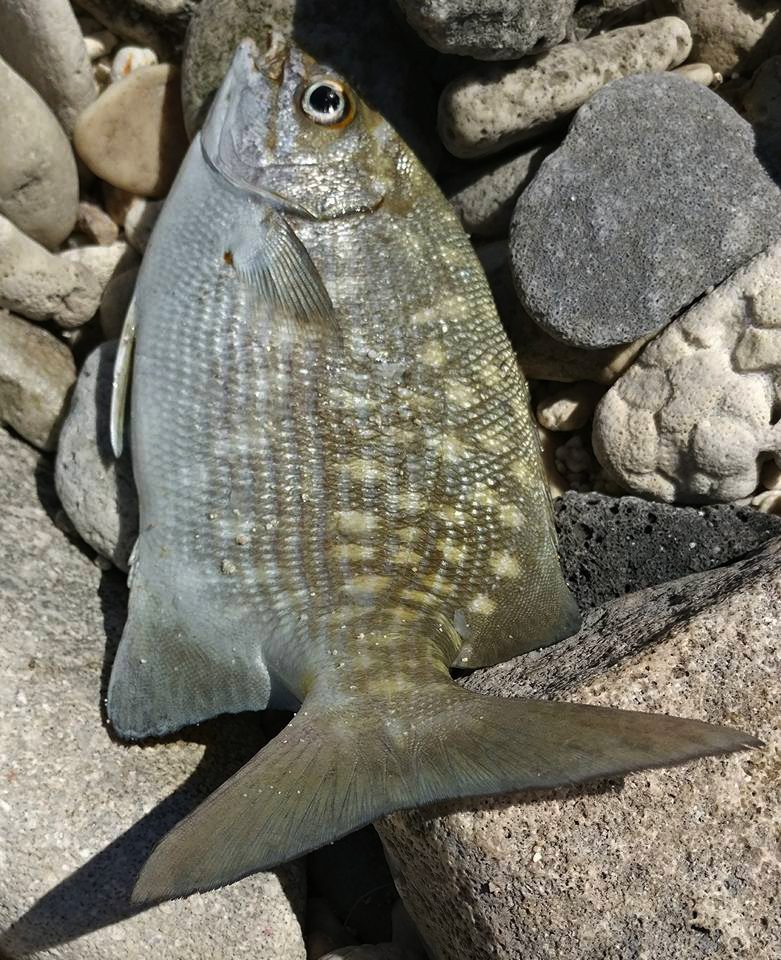
Catching even smaller chubs can be just as exhilarating. To counter the fish’s pull, several meters of monofilament line are released, allowing the fish to make short free runs through the reef. The line is retrieved in intervals—pulled for a few seconds, then released—allowing the fish to move naturally through the reef structure. These free runs gradually exhaust the fish, enabling it to be brought in without applying excessive pressure.
This careful maneuvering typically lasts between five and ten minutes for smaller blue sea chubs, while landing larger individuals can take anywhere from ten to fifteen minutes. Each successful catch becomes a testament to patience, technique, and deep respect for the reef environment, making the pursuit of the blue sea chub both a challenging and deeply rewarding experience.