
The Ancient Sundials of Fuvahmulah: Echoes of Time and Tradition
In ancient days, even without modern tools or advanced technology, the people of Fuvahmulah lived with remarkable intelligence and purpose. Guided by ethical values, strong religious teachings, and a deep sense of civilization, they built lives rooted in dignity and harmony. Their daily routines—simple yet thoughtful—reflected a culture that understood the importance of order, community, and time.
And it was time, above all, that shaped many aspects of island life. Before clocks and digital devices, the people of Fuvahmulah relied on the natural world to guide them. The rising sun, moving shadows, and shifting tides all had meaning. Among the tools they crafted to measure time, one stands out as a brilliant example of local ingenuity: the vaguthubalaa gal, a traditional Maldivian sundial.
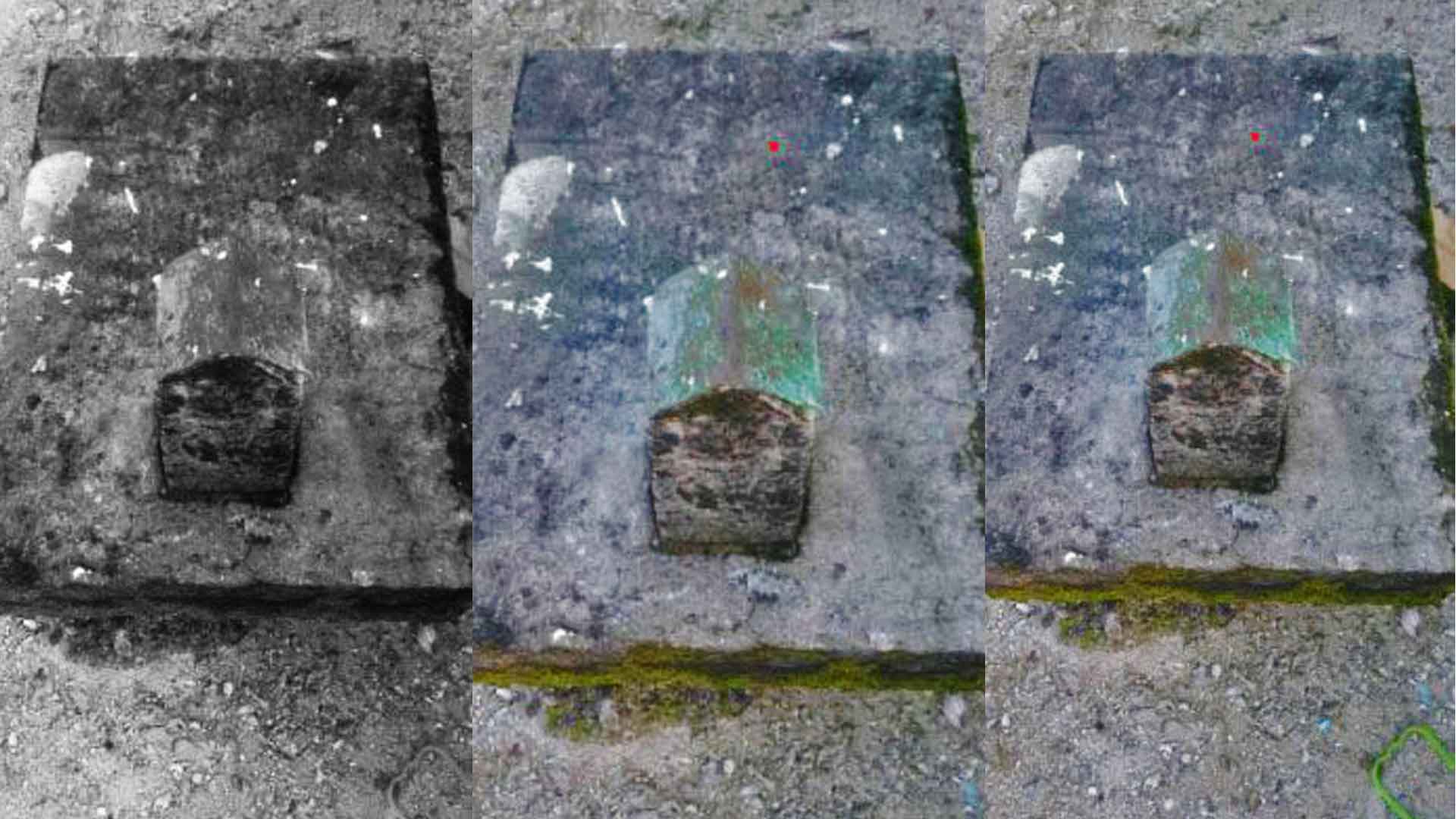
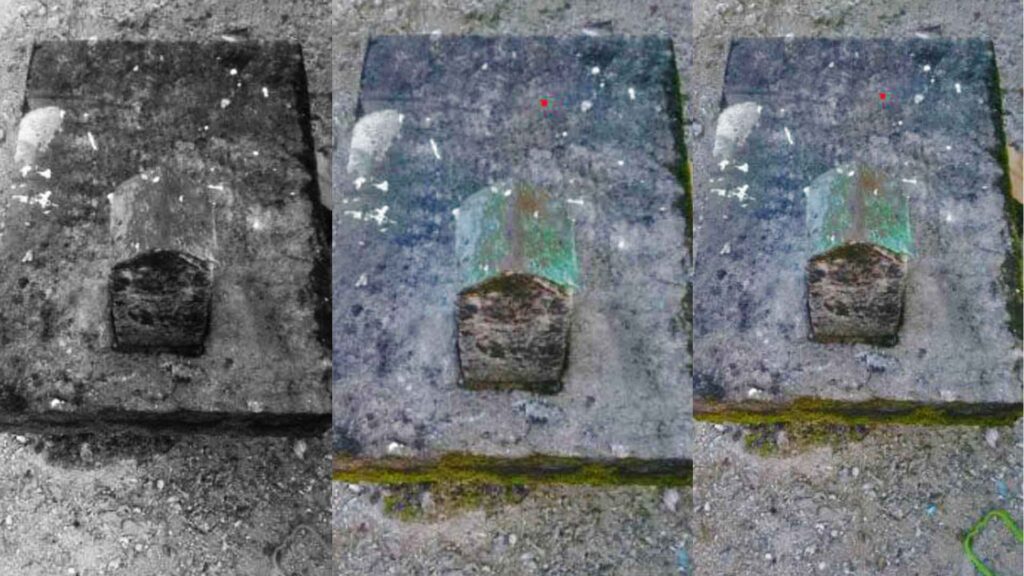
Today, one of the oldest surviving examples can still be found in the cemetery of Dhadimagu Mosque, located in the Dhadimago Fanno area—a quiet corner of the island where history lingers in stone.
An Ingenious Coral Stone Sundial
This ancient sundial is carved from coral stone, its shape rectangular and simple yet precise. At its center stands a raised stone element known as the gnomon, its tip shaped into a distinctive V. It is this vertical shaft that performs the essential task: determining the sun’s altitude—and even the latitude of the location—by measuring the shadow cast at noon.
The science behind it is subtle but impressive. A gnomon, whether made of stone, metal, or wood, must be positioned with exact calculation so that the sharp edge of its shadow falls cleanly onto the dial plate. This shadow edge, known as the style, is what allows time to be read with surprising accuracy.
Traditional dial plates were often fashioned from copper or bronze and marked with delicate lines that indicated both the time of day and certain seasonal dates. The coral stone sundials of Fuvahmulah, though simpler in material, followed similar principles—demonstrating sophisticated understanding in an era without modern instruments.
Sundials That Told More Than Time
According to the island’s elders, some sundials were crafted with unique designs believed to predict weather patterns. These were not merely timekeepers but tools for community planning, guiding farmers, fishermen, and travelers by offering clues about approaching conditions.
Several such stones can still be found in the cemeteries of old mosques across the Maldives. Their continued presence suggests that they once played an important role in daily life, blending practical knowledge with cultural belief.
Some historians even propose that certain sundials were built upon the foundations of earlier Buddhist temples, their placement influenced by the orientation of those ancient structures. If true, this would further illustrate how Maldivian culture evolved across centuries—layering Islamic tradition onto older religious landscapes while preserving elements of both.
A Silent Legacy in Stone
The vaguthubalaa gal of Dhadimagu stands today as more than an old timekeeping device. It is a reminder of a community that observed the world carefully, understood the rhythm of nature, and crafted solutions using the resources available to them.
For visitors exploring Fuvahmulah, this humble coral stone sundial offers a powerful glimpse into island heritage. It shows how deeply Maldivians once relied on the sun, shadows, and the land itself—a connection to time and nature that remains an integral part of the Maldives’ cultural identity.