Lobsters are nocturnal reef-dwelling crustaceans caught worldwide using many methods. In Fuvahmulah, fishers use traditional cotton lines, specific hook sizes, and octopus bait to lure lobsters from reef holes at sunset—an effort that is challenging, skill-based, and deeply rooted in local knowledge.
Beneath the ocean’s surface, a shadowy cast of creatures prowls the reefs—some unsettling, some astonishing, all essential to the rhythms of marine life. Among them are lobsters: armored, many-legged crustaceans that may look uncanny but are prized the world over for their sweet, delicate meat. Across the globe, humans have devised countless ways to harvest them, from baited pots and nets to spear fishing and handlines.
Lobsters are masters of concealment. They favor places that offer shelter and darkness—rocky crevices, coral reefs, shipwrecks, mangroves, seagrass beds, and even the pylons of piers. Primarily nocturnal, they are most active after sunset, when they emerge from hiding to roam the seafloor. Still, they can be caught during daylight hours, especially as they move through reef holes and fore-reef areas. Tides, weather conditions, and light levels all influence their movements and, ultimately, a fisher’s success.
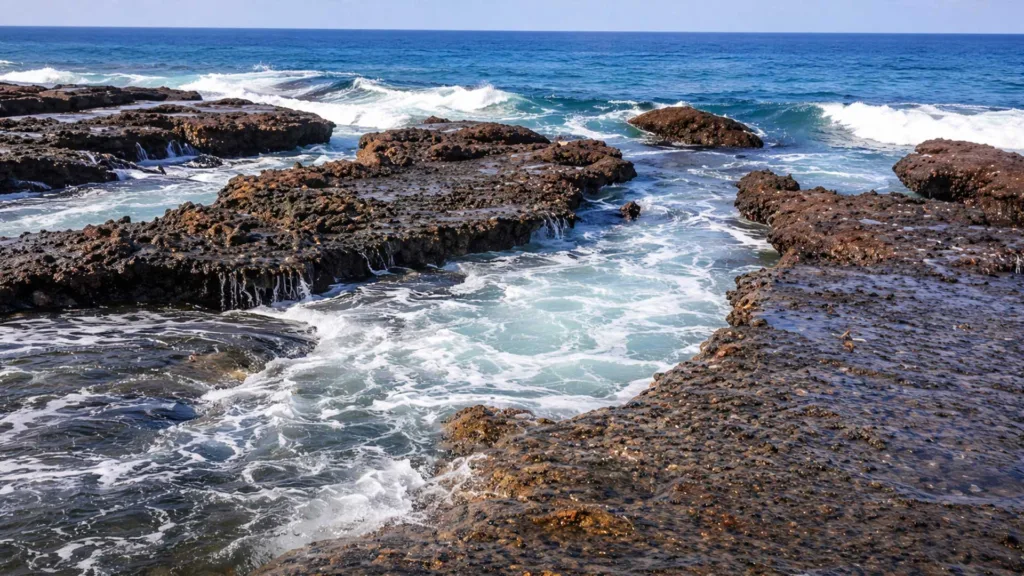
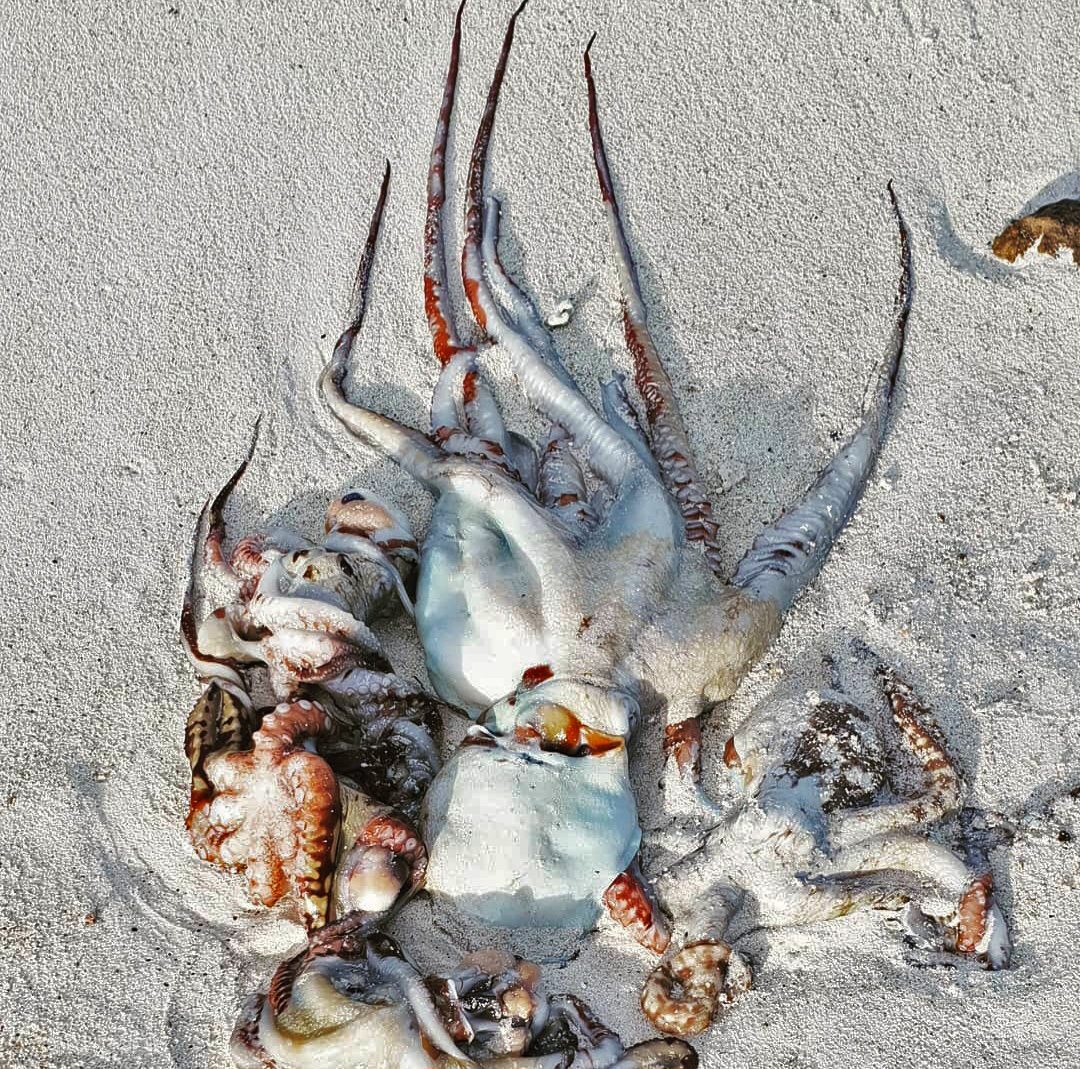
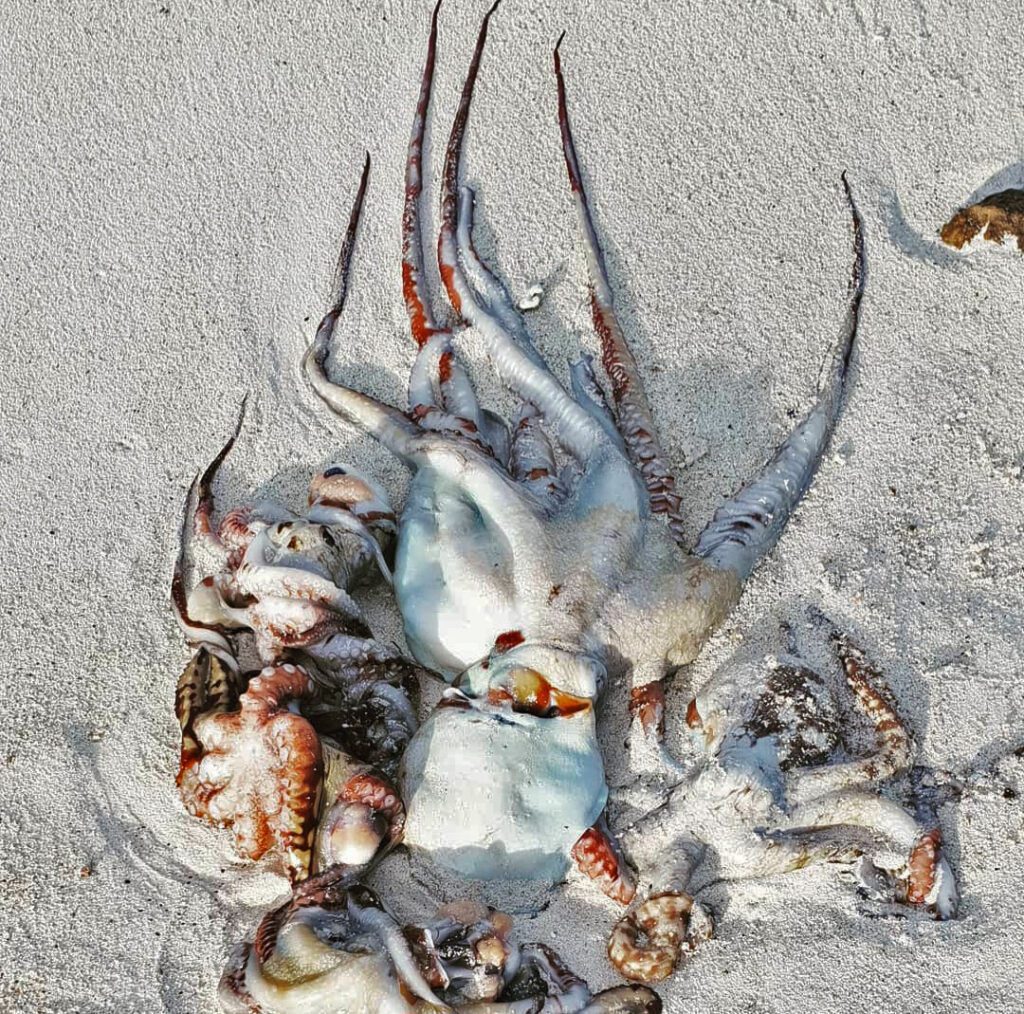
On the island of Fuvahmulah, lobster fishing follows a tradition refined over generations. Fishers use akeraa bilhi—hooks typically reserved for catching big-eyed squirrelfish—most commonly in sizes 8 and 9. Fishing usually begins at sunset, when lobsters start to stir. The line, known locally as meyvaali, is made from cotton fiber yet rivals the strength of modern 30–40 lb monofilament. For bait, nothing works better than freshly cut octopus. One of the island’s most important octopus fishing grounds is Maafaromathi, a well-known reef flat on the northwestern side of Fuvahmulah.
Lobsters are often found in places called eehi baa vado: slightly deep, crater-like holes scattered across the reef and fore reef. When fishers reach the edge of one of these cavities, they lower the baited line into the darkness below. Drawn by scent—lobsters rely heavily on smell—the crustaceans venture out, seize the bait with their powerful claws, and instinctively retreat toward their shelter. This backward surge is transmitted up the line, a telltale signal felt in the fisher’s hands. Timing is critical. The line must be hauled up just as the lobster turns back.
As it is lifted, the lobster spreads its walking legs, or periopods, gripping the rock with surprising strength. Extracting it can be a test of endurance. Experienced fishers keep the line taut at all times; even a moment of slack can allow the lobster to wedge itself deeper into the cave and escape. When conditions are right and skill meets patience, a single hole can yield an astonishing bounty—sometimes 20 to 50 lobsters.
Challenging, physical, and steeped in local knowledge, lobster fishing in Fuvahmulah is more than a means of subsistence. It is an intimate encounter with a nocturnal predator of the reef—and a rewarding adventure shaped by sea, scent, and tradition.