Rituals, Mantras, and the Spirit World Beyond the Resorts
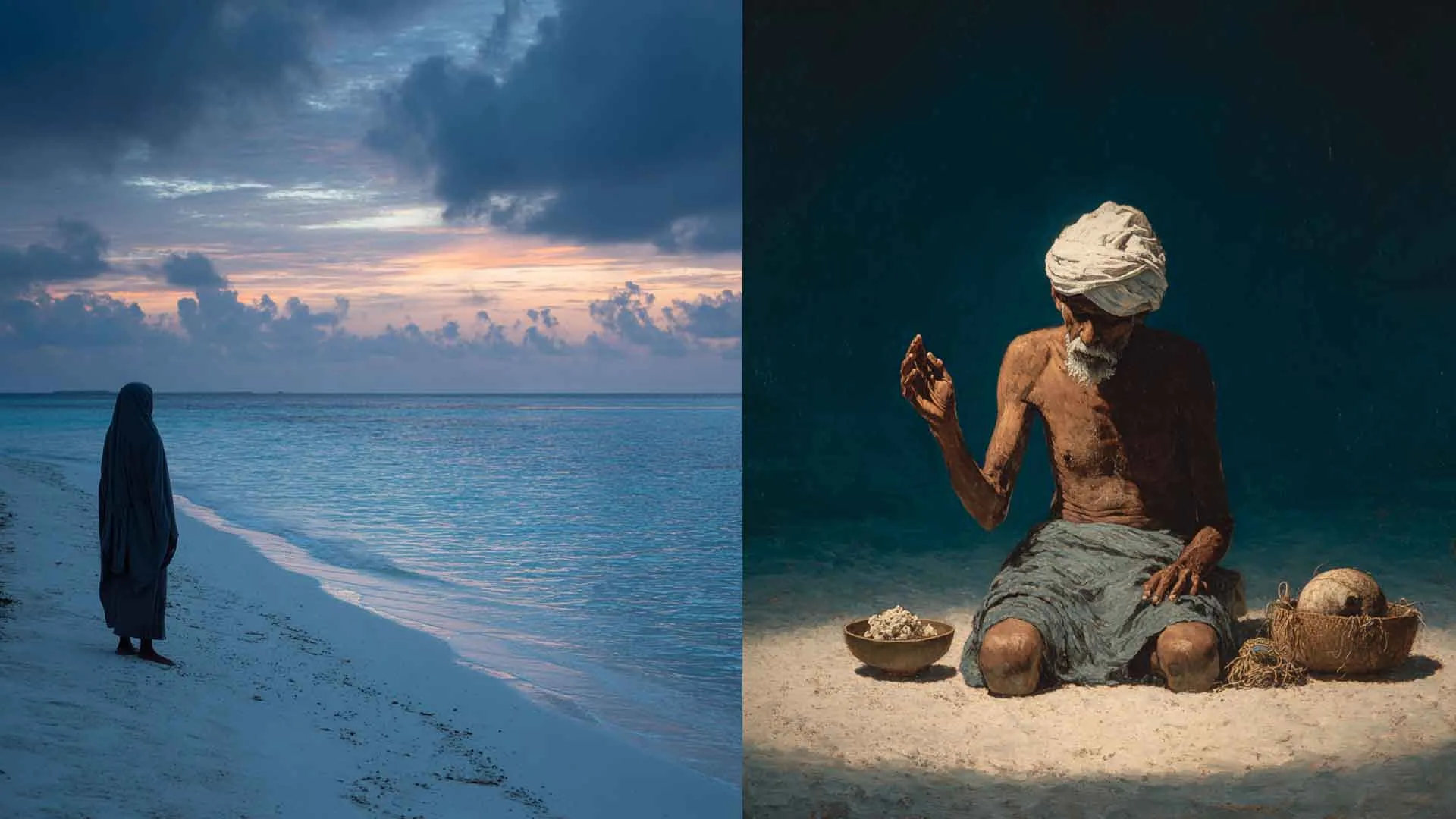
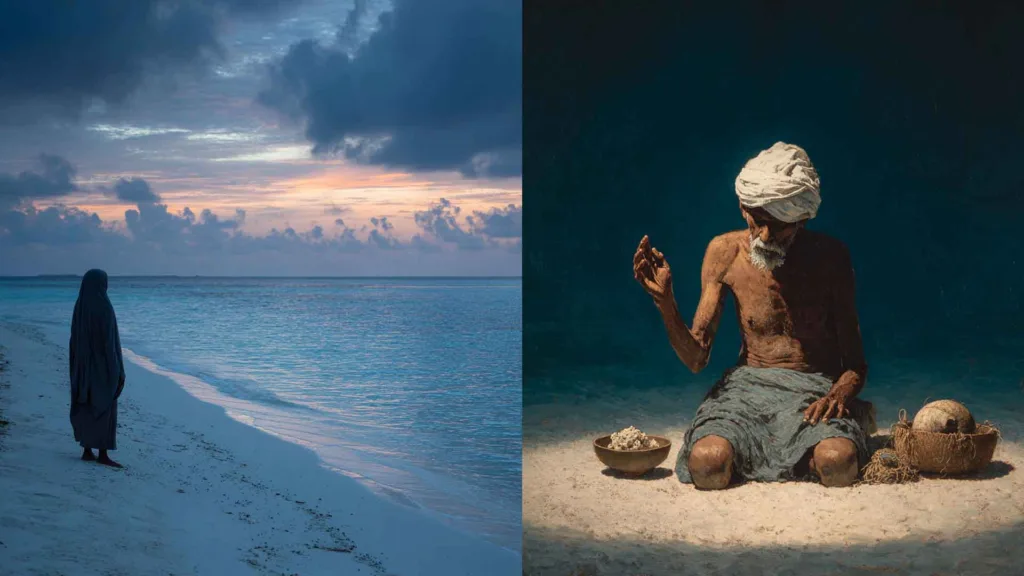
The white sand of a Maldivian island absorbs the fierce afternoon sun. By dusk, it absorbs something else. The tide retreats, the horizon darkens, and the shoreline—so inviting by day—becomes a place of caution. Long before tourists walked these beaches barefoot, islanders believed this was the hour when unseen forces stirred, when the boundary between worlds loosened, and when only those who knew the old words dared linger by the water’s edge.
This is a side of the Maldives rarely imagined. Beneath the modern image of serenity lies a culture shaped by uncertainty. For centuries, Maldivians lived with the knowledge that the sea could give life and take it away without warning. Boats vanished in storms, illness moved quickly across small islands, and burial grounds stood close to homes. Survival depended not only on skill and strength, but on understanding forces that could not be seen.
Certain places came to be understood as thresholds. Beaches after sunset, wells, doorways, abandoned houses, and graveyards were not feared indiscriminately; they were recognized as points of passage, where influences from beyond the human world might intrude. To live safely in such a landscape required more than caution. It required ritual knowledge.
From this need emerged faṇḍitaverikan, often described as Maldivian sorcery. It was never spectacle or entertainment. It was a practical response to a precarious existence. Its practitioners, known as faṇḍitas, were not public figures or religious leaders. They worked quietly, often at night, and guarded their knowledge carefully. Their authority rested on precision—knowing exactly which actions to take, which materials to use, and which words to speak at the right moment.
Those words took the form of mantras. Spoken aloud, they were believed to act directly upon illness, misfortune, and restless spirits. Linguistically, they reflected the layered history of the islands. Some carried fragments of Arabic, others echoed South Asian ritual sounds, and many contained syllables whose meanings had long been forgotten. Meaning was secondary. What mattered was sound, rhythm, and flawless repetition. A mantra’s power lay not in understanding, but in exactness.
The rituals themselves were quiet and restrained. They were performed away from public view, in isolation or secrecy. Everyday objects—coconut fiber cords, iron nails, cowry shells, or soil taken from specific places—became conduits of intention. Islanders clearly distinguished between rituals meant to protect and heal, such as safeguarding children or sailors, and those considered dangerous or morally wrong, intended to harm or control others. The same knowledge that could preserve life could also disrupt it.
One of the most powerful expressions of this tradition was Bahuru Kiyevun, a long communal recitation once performed to protect entire island communities. Through extended chanting and collective participation, islanders sought protection from disease and disaster. As life modernized and religious reform reshaped public practice, such ceremonies faded, remembered more as echoes than living traditions.
Yet faṇḍitaverikan did not simply disappear. As the Maldives became firmly Islamic, older practices adapted rather than vanished. Mantras were rewritten in Arabic script, rituals reframed as healing or prayer, and older beliefs absorbed into outwardly acceptable forms. Beneath these changes, the underlying logic endured: the conviction that words, spoken correctly, could impose order on uncertainty.
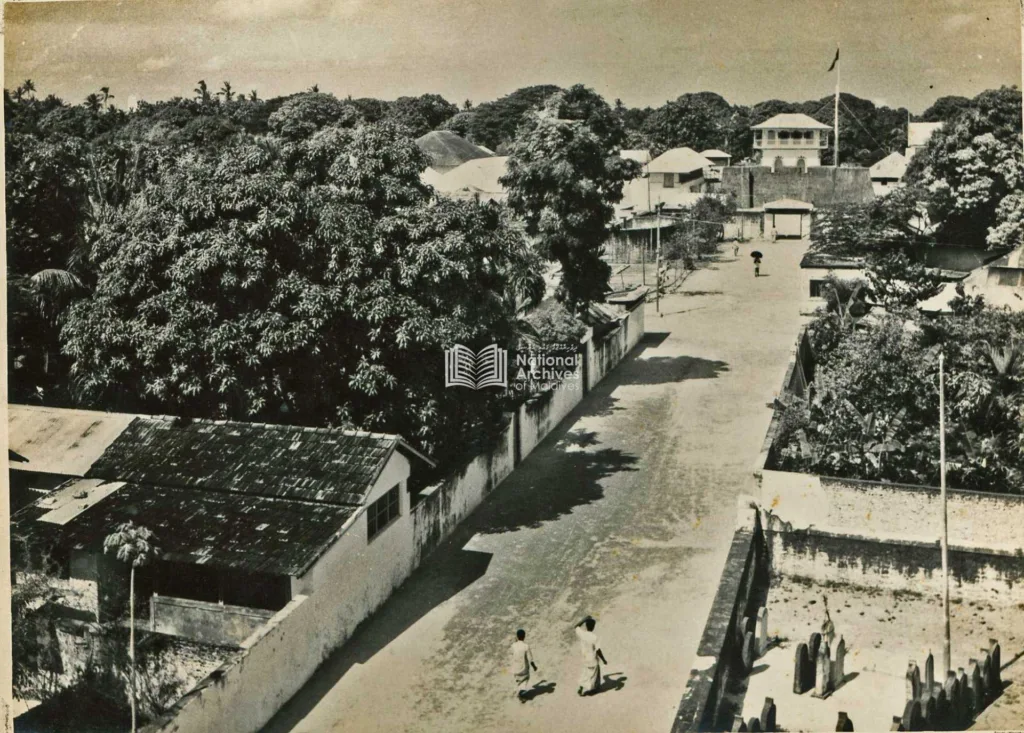
For travelers who venture beyond resort islands, this hidden layer of belief changes how the landscape feels. A beach at dusk becomes more than picturesque. A small graveyard near the shore marks more than a resting place for the dead. The endless horizon, so calming to visitors, once carried the constant possibility of loss. Beauty and danger were never separate here; they existed side by side.
Seen this way, the Maldives is more than a destination. It is a record of human resilience in one of the world’s most exposed environments. The magic that once shaped island life was never about wonder for its own sake. It was about survival—about naming fear, structuring chaos, and asserting meaning in a world governed by tides and storms.
Ultimately, the hidden magic of the Maldives reflects something universal. In the face of an indifferent sea and an uncertain world, people everywhere have sought words, rituals, and symbols to hold chaos at bay. The islands remind us that beneath even the most perfect surface lies a deeper human story: the enduring need to believe that order, however fragile, can still be spoken into being.
Source
This article is based on ethnographic research by Xavier Romero-Frias in The Maldive Islanders: A Study of the Popular Culture of an Ancient Ocean Kingdom, and is further informed by explanations of fanditha concepts provided by the late Mohamed Hafeez (Rekibea) of Gardenhouse, Fuvahmulah, as well as historical insights from the historian Mohamed Ali, Fasiya of Fuvahmulah.