This article draws insights from long-term field observations documented in Ash, J. S. & Shafeeg, A. (2008), Birds of the Maldive Islands, Indian Ocean.
In the Maldives, birdlife is shaped as much by wind as by land or sea.
Scattered across the Indian Ocean, the Maldives’ low coral islands offer little in the way of forests, mountains, or rivers. Yet each year they host a remarkable diversity of birds—some arriving with clockwork regularity, others appearing so unexpectedly that their presence seems almost impossible. The explanation lies not only in migration routes or instinct, but in the powerful seasonal winds that dominate the region’s climate.
These winds, known as monsoons, influence ocean currents and weather patterns—and critically, they shape when birds arrive, where they appear, and why some of the Maldives’ most extraordinary bird records exist at all.
A Climate Ruled by Monsoon Winds
The Maldives experiences two main monsoon seasons:
- Northeast Monsoon (Iruvai), roughly from December to March
- Southwest Monsoon (Hulhangu), roughly from May to October
Between them are shorter transition periods marked by shifting winds and unstable weather. Together, these seasonal systems operate over vast areas of the Indian Ocean, creating powerful airflows capable of carrying birds hundreds or even thousands of kilometres across open water.
For birds travelling—or being carried—across the ocean, the Maldives lies directly in the path of these atmospheric currents.
Riding the Northeast Monsoon South
The northeast monsoon coincides with the arrival of most migratory birds in the Maldives. As winter tightens its grip across Eurasia, falling temperatures push birds southward. Persistent northeasterly winds then assist their journey, reducing the energy required to cross long distances.
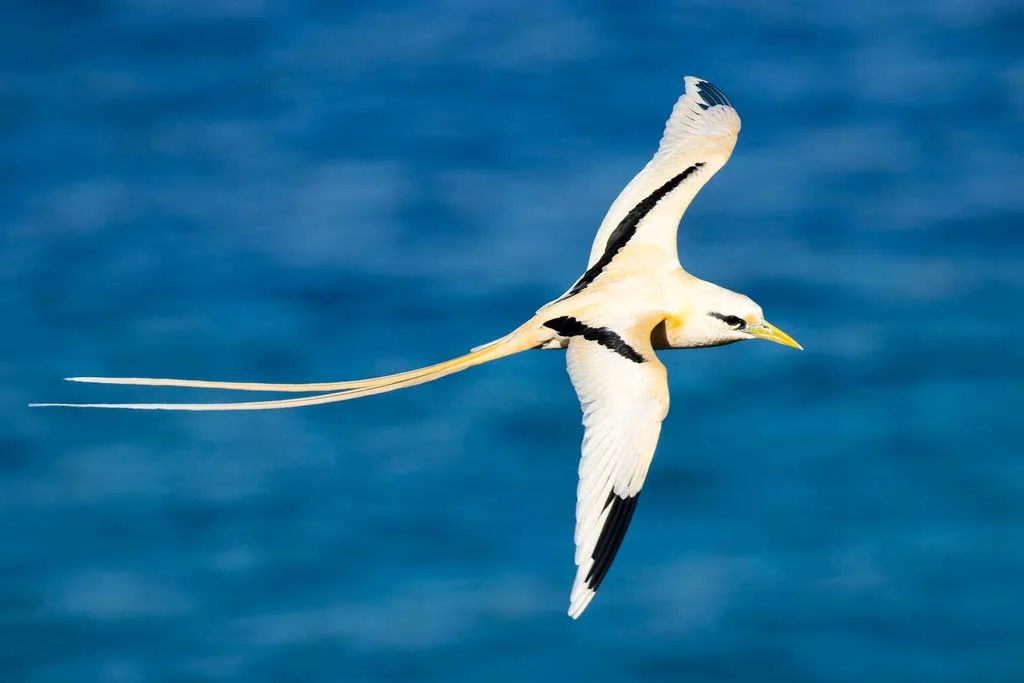
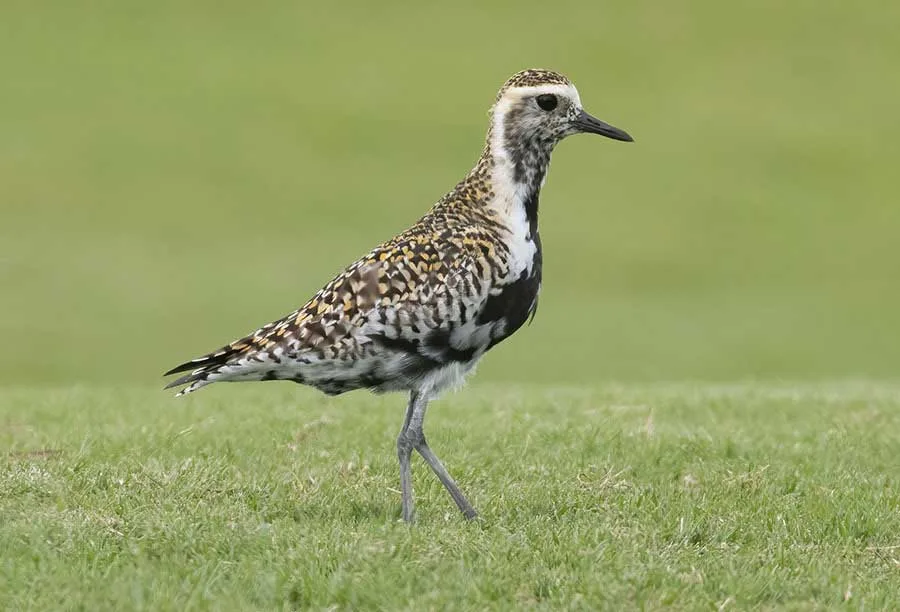
During this season, the Maldives becomes a winter refuge or stopover site for familiar migrants such as common sandpipers, whimbrels, Pacific and grey plovers, barn swallows, and yellow wagtails. Most arrive between September and November and remain until March or April, feeding along reef flats, beaches, and wetlands.
Their presence is seasonal and predictable—a recurring pattern written into the rhythm of the monsoon.
The Southwest Monsoon: When the Unexpected Arrives
When the winds reverse, conditions change dramatically.
The southwest monsoon brings stronger winds, heavier seas, and increased storm activity from equatorial regions. Fewer regular migrants arrive during this period, but it is closely associated with unusual and rare bird records across the Maldives.
Strong southwesterly winds can displace birds far beyond their normal ranges, carry land birds over open ocean, and push pelagic seabirds closer to island shores. Many of the Maldives’ most surprising avian encounters are thought to occur during this season, when birds are carried by force rather than by choice.
Wind-Blown Strangers
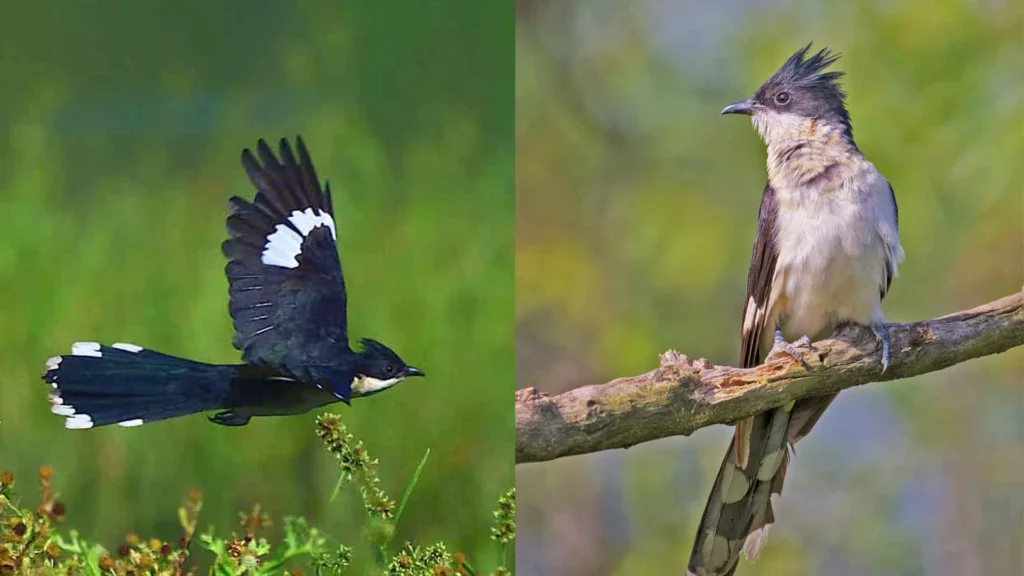
Some birds recorded in the Maldives cannot be explained by normal migration routes alone. Terrestrial species with no ocean-going lifestyle—such as pied cuckoos, glossy ibises, and small passerines including wagtails and tailorbirds—have appeared on islands where they seemingly do not belong.
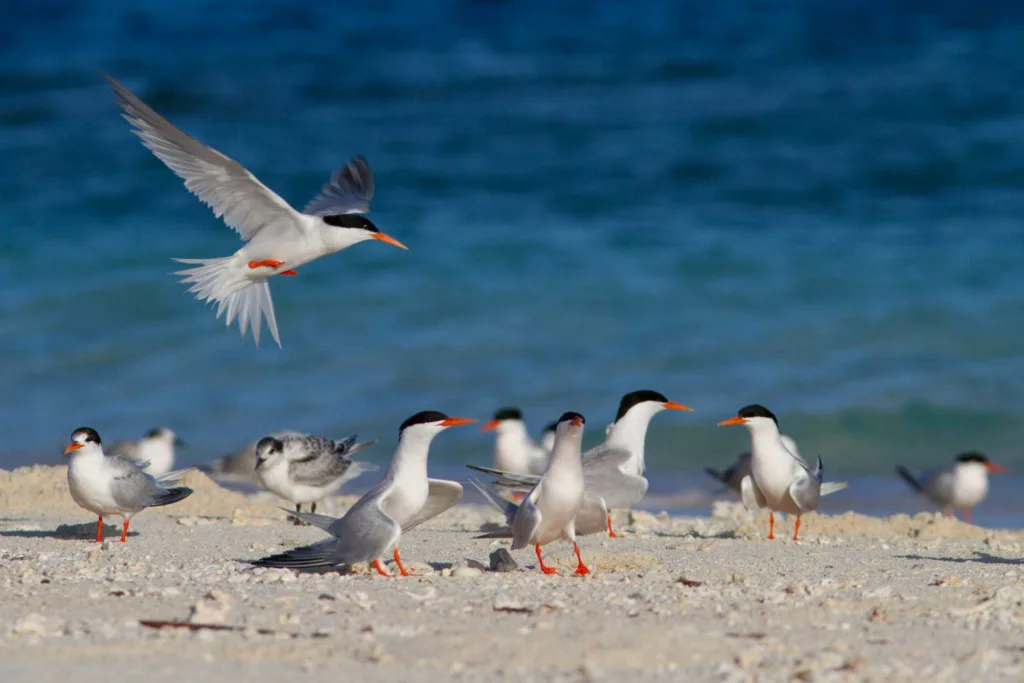
Their arrival is best understood as wind-assisted vagrancy. Caught in strong monsoon flows or storm systems, these birds are involuntarily carried across the sea until land finally interrupts the wind. Their presence is not random, but the result of powerful atmospheric forces acting on small, lightweight travellers.
Seabirds and the Breath of the Ocean
Seabirds, too, are shaped by monsoon winds, though in different ways.
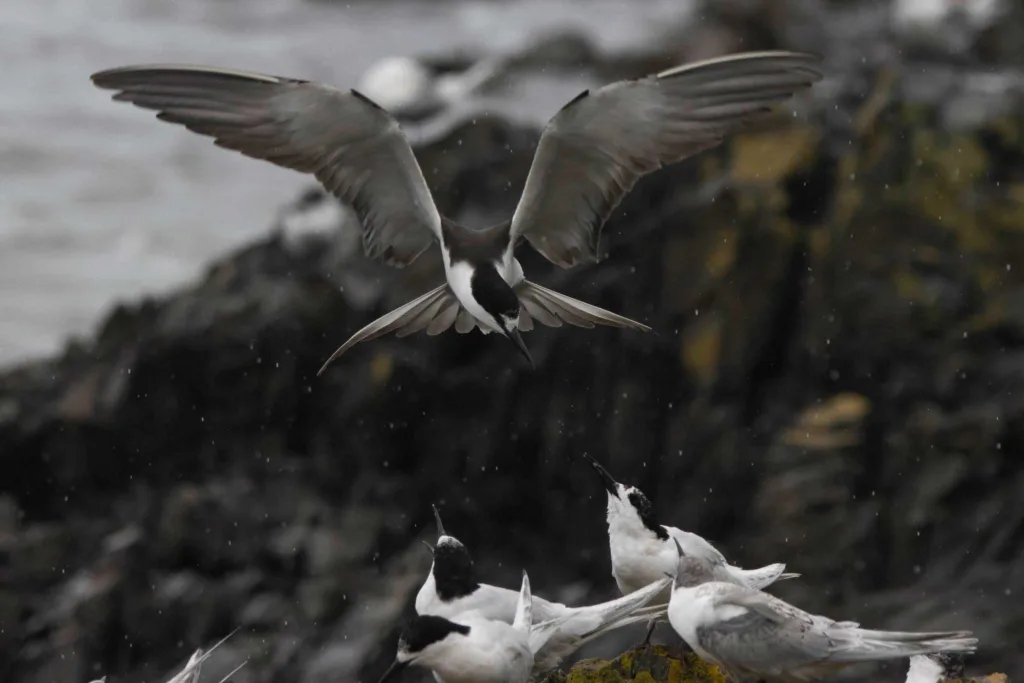
Pelagic species such as sooty terns are highly adapted to life in wind-rich environments, using seasonal air currents to travel efficiently over vast distances. Changes in wind direction influence ocean productivity, affecting where fish concentrate and where seabirds feed. Monsoon cycles also play a role in the timing and location of breeding colonies across the region.
Even for these masters of the air, however, extreme conditions can alter distribution patterns, making offshore species suddenly visible from island shores.
Why Fuvahmulah Matters
One island appears repeatedly in records of unusual birds: Fuvahmulah.
Unlike most Maldivian islands, Fuvahmulah has freshwater lakes, wetlands, dense vegetation, and shelter. For an exhausted land bird blown across the Indian Ocean, it may be the only realistic place to land, rest, and survive. As a result, it has become a focal point for rare and unexpected bird records.
When wind-displaced birds reach the Maldives, Fuvahmulah often serves as their last refuge.
Monsoons as an Ecological Force
Seen through the lens of wind, Maldivian birdlife reveals a broader ecological story:
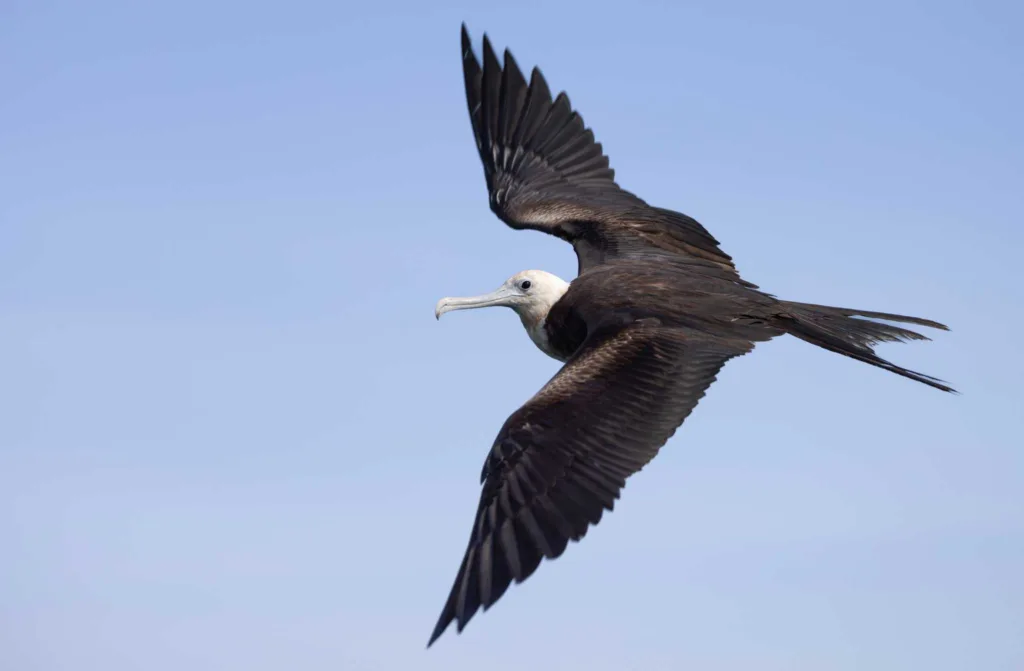
- The Maldives is connected to distant ecosystems through air as well as sea
- Weather systems play an active role in shaping biodiversity
- Rare bird records reflect larger climatic processes rather than chance alone
Bird movements across the islands are shaped by the interaction of migration, wind, geography, and opportunity.
A Landscape Written by Wind
In the Maldives, birds do not arrive solely by navigation and instinct. Many are carried—sometimes gently, sometimes violently—by seasonal winds that link distant continents to small coral islands. The monsoon acts as an invisible guide, bringing regular migrants each winter, shaping seabird movements at sea, and occasionally delivering birds that seem entirely out of place.
To understand birdlife in the Maldives is to understand the wind itself: unseen, powerful, and endlessly shaping life on the edge of the Indian Ocean.