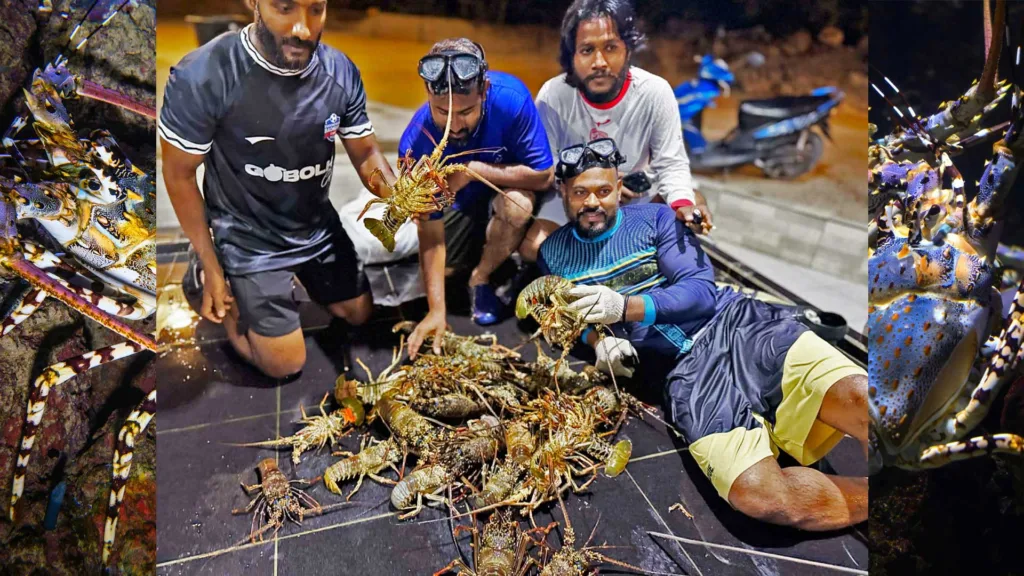
To most visitors, the Maldives is a postcard-perfect escape—turquoise lagoons, sun-washed beaches, and an underwater world so vibrant it seems unreal. Yet beneath these crystalline waters lives an extraordinary cast of creatures that rarely take center stage, despite their deep cultural and ecological significance. Among them is the Maldivian lobster, known locally as ihi—or eehi in the southern island of Fuvahmulah—a name spoken with both culinary affection and ecological respect.
While many travelers imagine “lobster” as a single delicacy, the Maldives hosts a remarkable variety of species belonging to three families: spiny lobsters, slipper lobsters, and the rare reef lobsters. Their diversity offers a vivid glimpse into the oceanic richness surrounding the archipelago.
The Rich Cast of Maldivian Lobsters
A Spectrum of Species
Marine biologists and divers have documented 11 lobster species in the Maldives, each adapted to different reef environments and depths. Together, they reveal the surprising complexity of the nation’s marine life.
Spiny Lobsters
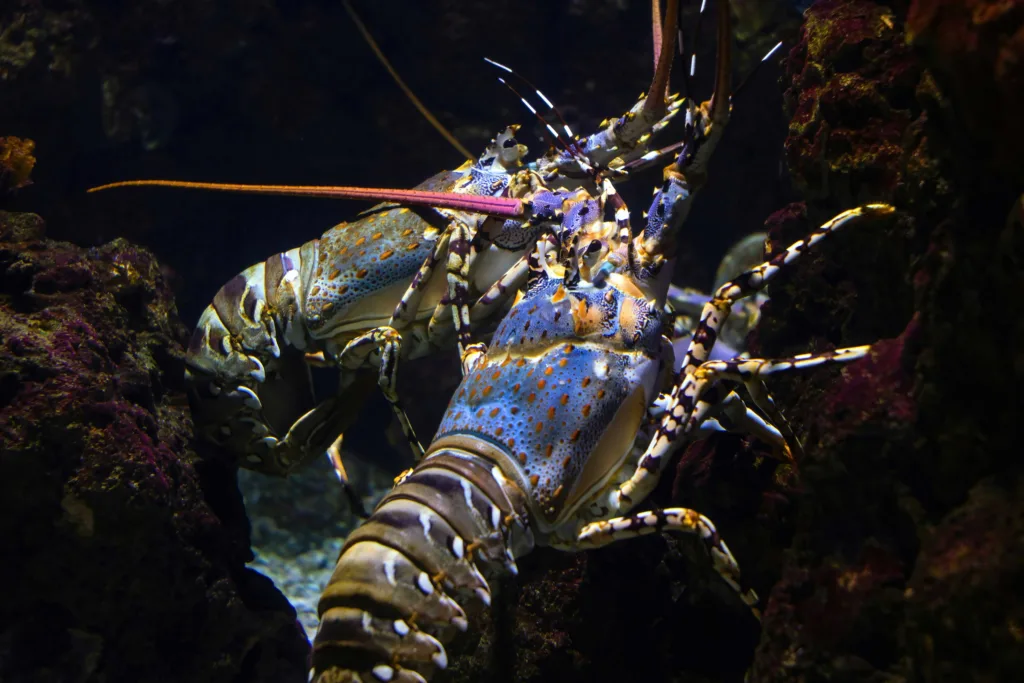
Family: Palinuridae
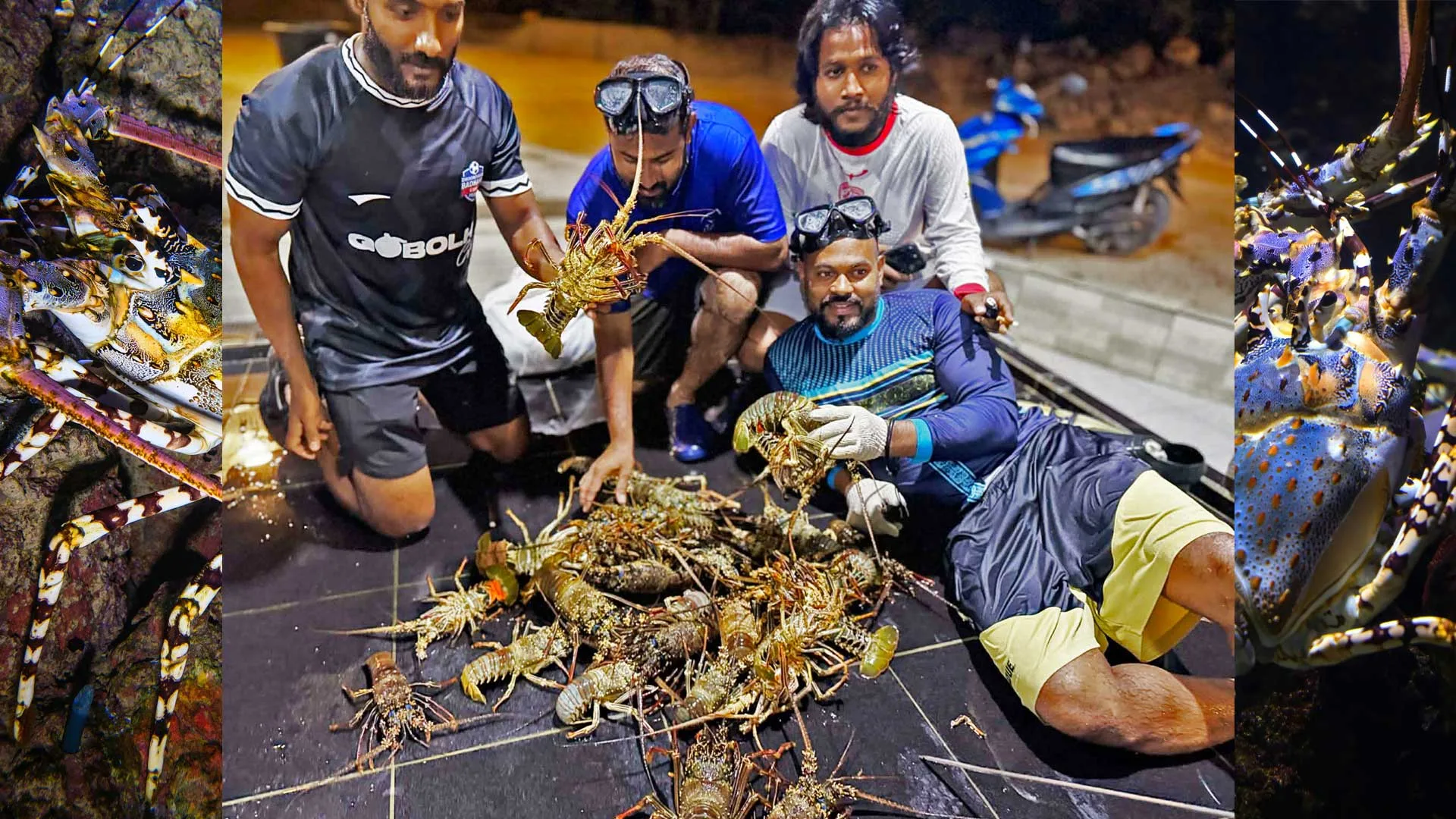
Recognizable by their long antennae and striking colors, spiny lobsters are the most commonly seen species throughout Maldivian waters. They thrive in rocky crevices and often roam reefs during night dives.
- Panulirus femoristriga – Stripe-leg spiny lobster
- Panulirus japonicus – Japanese spiny lobster
- Panulirus longipes – Long-legged spiny lobster
- Panulirus ornatus – Tropical rock lobster / Ornate spiny lobster
- Panulirus penicillatus – Pronghorn spiny lobster
- Panulirus polyphagus – Mud spiny lobster
- Panulirus versicolor – Painted or Blue spiny lobster (MoFMRA, 2020)
Their stunning blues, greens, and detailed patterns make them favorites of underwater photographers.
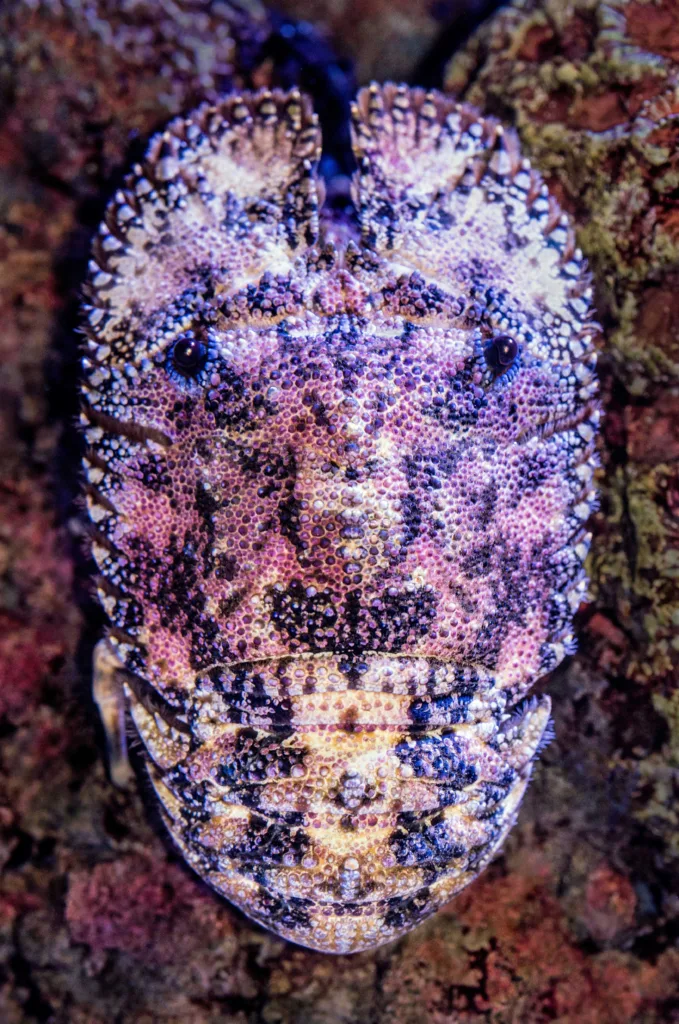
Slipper Lobsters
Family: Scyllaridae
Flattened like armored tiles across the seafloor, slipper lobsters are masters of camouflage—often unseen unless an experienced diver points them out.
- Eduarctus martensii – Striated locust lobster
- Parribacus antarcticus – Sculptured slipper lobster (fenaa eehi)
- Scyllarides squammosus – Blunt slipper lobster (MoFMRA, 2020)
With earthy tones and robust exoskeletons, they blend seamlessly into rubble patches and sandy ledges.
Reef Lobsters
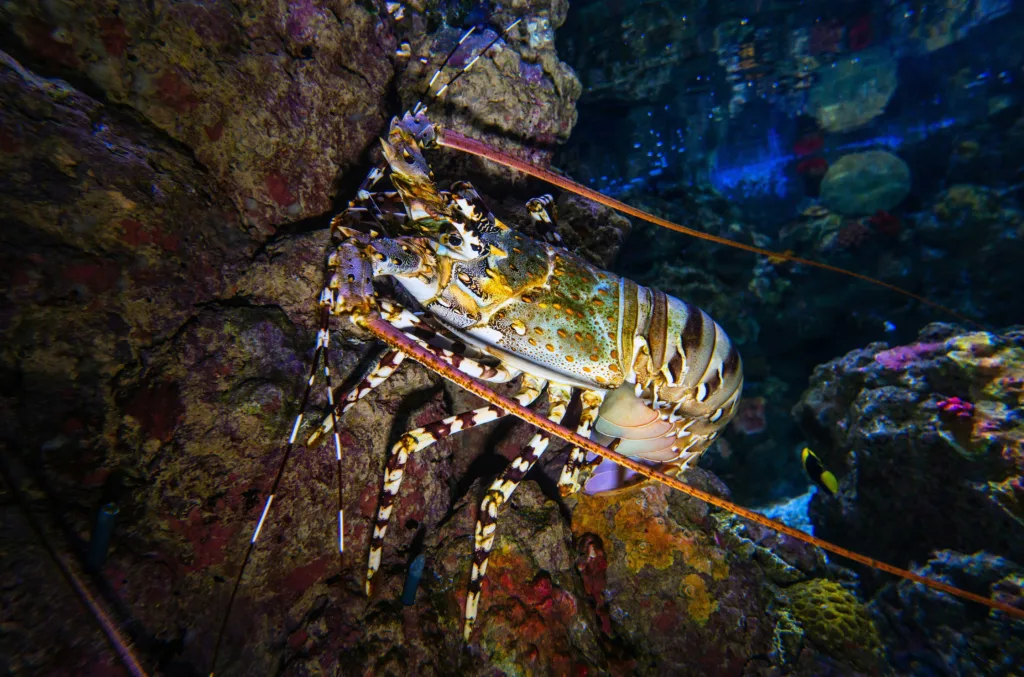
Family: Enoplometopidae
The Maldives is home to a single reef lobster species, notable for its rarity and striking appearance:
- Enoplometopus voigtmanni – Voigtmann’s reef lobster (MoFMRA, 2020)
Adorned in vivid reds and purples and bearing powerful claws, it prefers tight coral crevices and is most often seen under the cover of darkness.
Lobsters and Island Life: A Living Tradition
Lobsters have long been intertwined with Maldivian island culture. Historically, harvesting was small-scale and opportunistic—often carried out during sea cucumber collection trips at night using simple lights and hand tools. This low-intensity approach reflected a lifestyle aligned with the sea’s natural rhythms.
In Fuvahmulah, a memorable local practice involved burning dry coconut leaves to illuminate the reef flat, searching for lobsters by the flickering glow. Islanders also snorkeled along reef fronts or used nets to catch them.
Formal catch records began only in the 1970s, when fishers reported daily totals to island offices. Yet even these historical documents capture only part of the story, as many lobsters were collected for home use or small, unrecorded community sales.
A Taste of Memory: Lobster in Maldivian Cuisine
Lobster remains one of the world’s most coveted delicacies. I recall an Egyptian visitor in the mid-1980s eating the intestine of a freshly boiled lobster in Fuvahmulah. After catching the lobsters, we placed them in pans filled with water and cooked them over firewood. When their bodies turned bright red, we knew they were ready.
We cracked the claws with solid tools and used picks to pull out the meat. For the tails, we broke the shell, removed the meat, and cleaned out the dark intestinal vein. Even the legs were used—either sucked directly or rolled to extract the flesh. The Egyptian guest relished the gritty, bitter soup-like liquid inside the intestine, declaring it surprisingly delicious.
Another cherished preparation was simply grilling fresh lobsters over an open fire on the beach—a timeless island tradition.
Tourism and Conservation: A Delicate Balance
In today’s Maldives of luxury resorts and gourmet dining, lobsters occupy a dual role: a prized dish served at candlelit beach dinners and a charismatic species that divers thrill to encounter underwater.
As environmental awareness grows, many resorts now promote responsible sourcing, encourage catch limits, and champion the beauty of lobsters through guided night dives rather than through menus alone. This evolving approach supports reef health while enriching the visitor experience.
A Hidden World Worth Protecting
For travelers eager to explore beyond sandy shores, understanding the Maldives’ lobster diversity adds a deeper dimension to the ocean experience. Whether admired on a night dive, enjoyed in a traditional meal, or studied by marine enthusiasts, the humble ihi—or eehi—embodies the archipelago’s remarkable biodiversity.
Beneath the turquoise surface lies a world of brilliantly armored creatures, each playing a vital role in sustaining the reefs. Like much in the Maldives, it is a world worth discovering, celebrating, and protecting.
Traditional Lobster Catching in the Maldives
Catching lobsters has long been a tradition in the history of the Maldives. The nation’s unique coral reef formations provide a perfect habitat for these beautiful crustaceans. Beyond the delicacy of their meat, the various techniques and methods used to catch lobsters in the Maldives are themselves thrilling adventures.
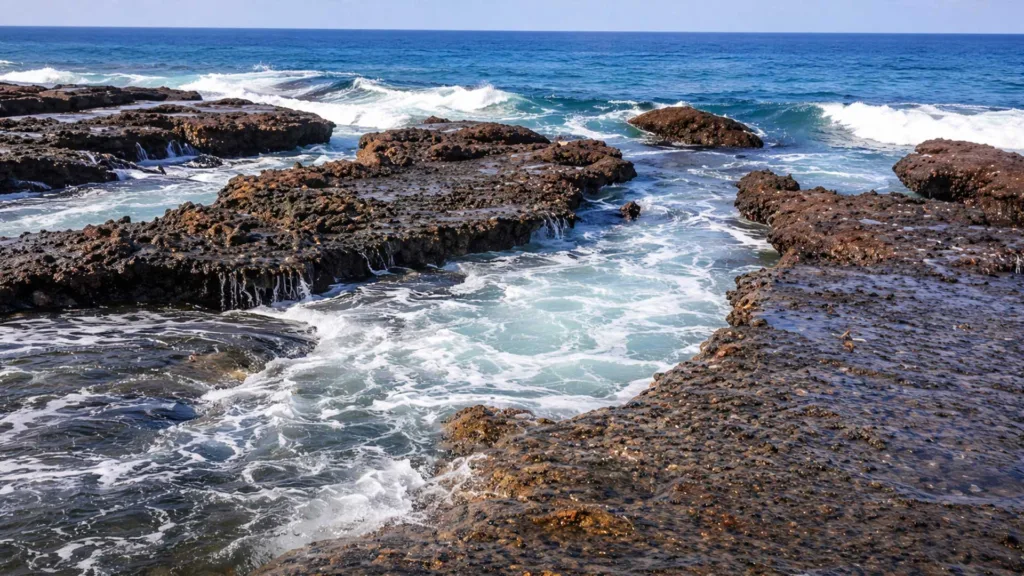
On many islands, people catch lobsters on the reef flat during both low and high tides. But the most remarkable practice occurs on dark, moonless nights, when communities prepare to hunt these spiny creatures. In ancient times, people used blazing dry coconut leaves as torches; the bright flames would last for about five minutes. On Fuvahmulah Island, this practice is called “hulhubendhegen eehi negun” (catching lobsters using ablaze dry coconut leaves). Groups would gather and work together during the hunt.
Other methods of catching lobsters include using nets or simply using one’s hands. People dive into caves and overhangs, searching under rocks on the reef and along the reef front.
Grilling lobsters over an open fire on the reef and eating them fresh is one of the most enjoyable parts of lobster catching in the Maldives. Tasting the meat of a freshly caught lobster is like enjoying the “filet mignon of the sea”—a clean, sweet, and firm indulgence.
Sources
Ministry of Fisheries, Marine Resources & Agriculture (Maldives). (2020, December). Maldives Lobster Fishery Management Plan. (MoFMRA, 2020). Retrieved from https://faolex.fao.org/docs/pdf/mdv219852eng.pdf