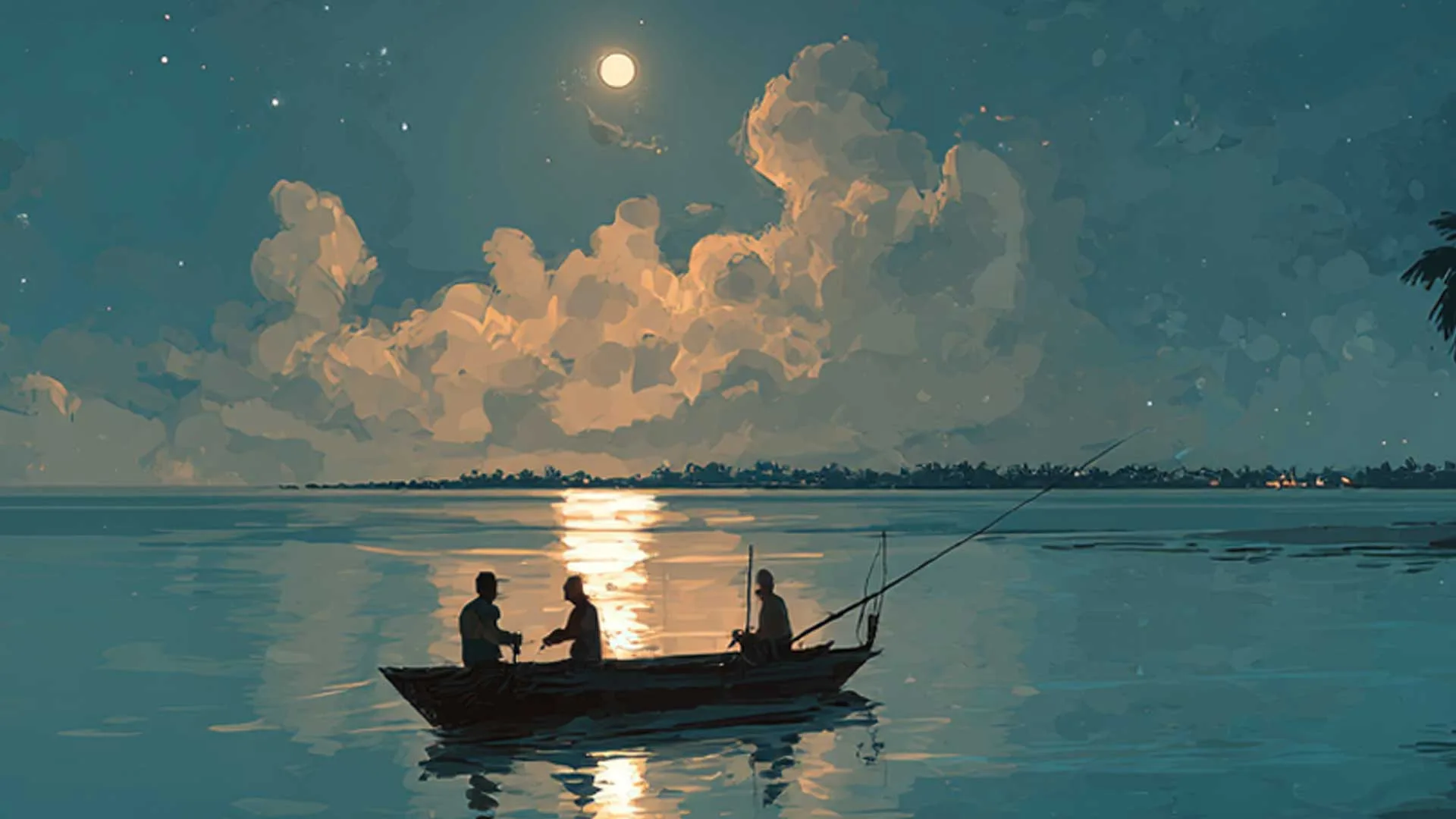
“Rafeeqbe, adho miveynaee maamuda beyventho balanna” (Today I am trying to land a giant trevally), I would say. Rafeeqbe (Abdulla Rafeeq), my late uncle from Aabadhuge of Fuvahmulah, would usually respond positively if the day aligned with favorable lunar nights—especially between the 12th and 15th nights of the lunar month. However, he would always advise us to go fishing when the tide phase began to change toward high tide (dheavaro laagen ey kal, in our dialect). We still follow this rule when we go fishing.
For a better catch, the visible presence of the Moon is not considered essential by Maldivian fishermen. Instead, greater importance is given to lunar nights and tidal movement. However, according to fishermen, some species can be more easily caught in moonlight. One such species is the six-finger threadfin (keyla maha).

I once told Ahamadhubea of the Vashaniege house in our district that we had caught keyla maha during the daytime near the harbor area. He replied that they traditionally fished for keyla maha on moonlit nights at the Thoondu beach area. This shows that while moonlight may not matter for all species, it can play a role for certain fish.
Overall, Maldivian fishermen pay close attention to lunar nights and tidal conditions rather than simply whether the Moon is visible in the sky. I spoke with many fishermen across the Maldives about this phenomenon, and beyond these factors, seasonal winds combined with lunar timing were also considered important.
The Moon as a Regulator of Time and Action
Across human history, the Moon has served as a natural guide for life along the sea. Long before scientific instruments existed, coastal communities used lunar phases to track time, anticipate tides, and plan fishing activities. As fishing became central to survival, knowledge of the Moon’s influence on the ocean developed into a practical system for understanding when, where, and how fish could be caught.
In the traditional worldview of the Maldives, fishing was never understood as a purely technical or economic activity. Instead, it was embedded in a broader cosmological framework in which the sea, spirits, ritual action, and especially the Moon played decisive roles. Island life followed lunar rhythms, and success or failure at sea was believed to depend on correct timing and alignment with natural forces.
The Moon functioned as a natural regulator of time. Its phases structured calendars, guided religious observances, and shaped everyday decisions. For fishing communities, this lunar awareness was both practical and symbolic. Tides, currents, and fish behavior were observed to change with the Moon, making certain nights favorable and others less productive.
Moonlight, Performance, and the Symbolism of Fishing
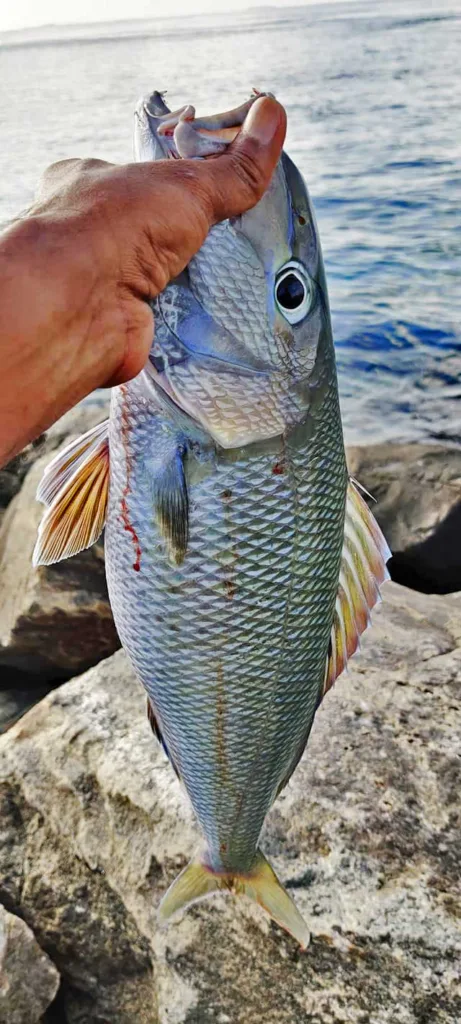
One of the clearest cultural expressions of the Moon’s importance appears in traditional fishing-related performances staged at night under open skies. These dramatizations centered on the fisherman, the boat, and the great fish, symbolizing the tension between human effort and the unpredictable forces of the sea.
Moonlight was not chosen merely for visibility. It carried ritual significance as a natural, unpolluted light associated with truth, revelation, and the ocean itself. By performing these enactments during lunar nights, communities reaffirmed the belief that fishing success depended on harmony between human behavior and cosmic order.
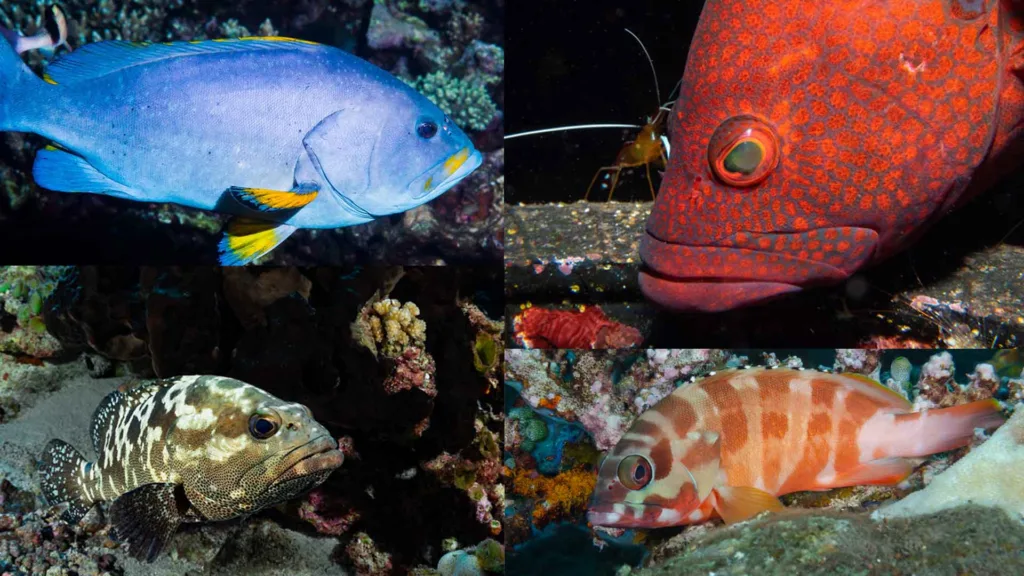
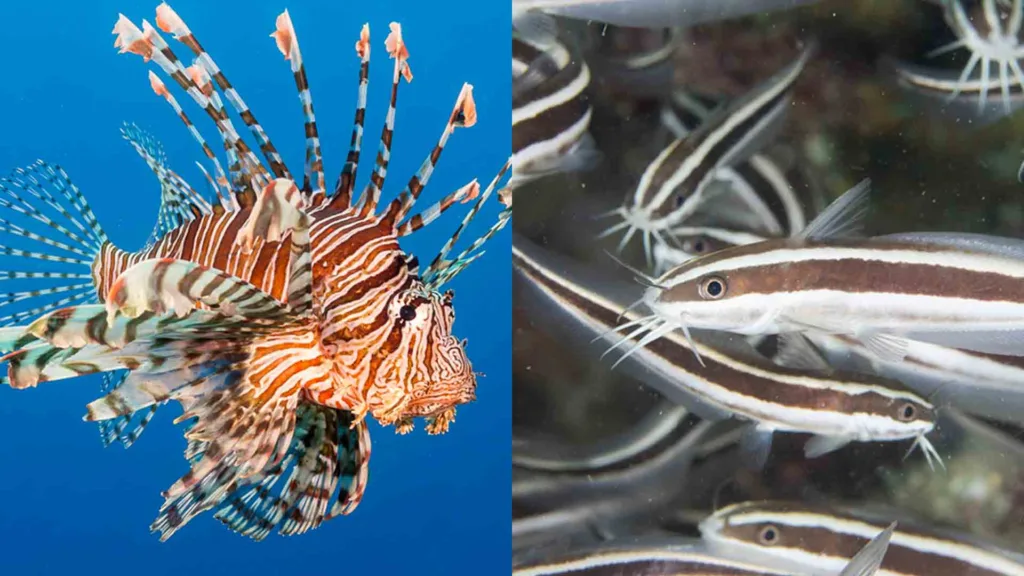
In the Maldives, many fishermen say that fishing is easier on moonlit nights, especially for reef fish. I spoke with Mohamed Niyaz, an experienced fisherman, and asked him about the types of fish commonly caught during these nights. He explained that species such as one-spot snapper (filolhu), green jobfish (giulhu), snubnose rudderfish (kirulhiya mas), two-spot red snapper, and squirrelfish are usually easy to catch, and the overall catch is often good.
On darker nights, when there is little or no moonlight, fishermen tend to catch different species more easily, including bigeye trevally (haluvimas), rainbow runner (maaniya mas), and bigeye scad (mushimas).
Ritual Intervention and Lunar Timing
When fishing failed for long periods, Maldivian islanders did not interpret scarcity as chance alone. Poor catches were understood as signs of imbalance—broken relationships between humans, the sea, and unseen forces believed to inhabit coastal and marine spaces.
To restore abundance, communities organized collective rituals carefully timed according to the lunar calendar. These ceremonies took place at night, often near the shoreline, and involved chanting, offerings, and symbolic movement toward the sea. Moonlight created a liminal atmosphere in which communication with non-human powers was thought to be possible.
Such rituals reveal that fishing was a shared responsibility. The sea’s refusal to yield fish affected the entire community, and its restoration required collective action guided by lunar timing.
Where the Rays Circle: Fanditha, Omens, and the Work of the Fishermen

In Maldivian history, Fanditha (sorcery) was not a marginal superstition but a vital spiritual technology shaped by generations of life at sea. In an environment where the ocean could sustain families one day and take lives the next, spiritual preparation was treated with the same seriousness as maintaining a boat or reading the weather.
When fishing vessels experienced prolonged dry spells, captains did not rely on chance alone. They sought out a Fandithaveriya, a practitioner trained to diagnose disturbances in the unseen world. I have personally witnessed a Fandithaveriya writing long sequences of spells onto immature coconut leaves—carefully inscribed with Arabic-derived incantations, symbols, and numerical formulas—to restore a good catch. These leaves were folded and carried by fishermen or concealed within the vessel as spiritual instruments of abundance.
Fishermen often explained their misfortune by describing encounters with large rays lingering near the vessel. Such sightings were never dismissed as coincidence. A ray circling repeatedly was understood as a spiritual obstruction—something capable of “closing” the sea and blocking fish from approaching. Even with favorable weather and proper technique, empty lines after such encounters were taken as confirmation of imbalance, requiring ritual correction.
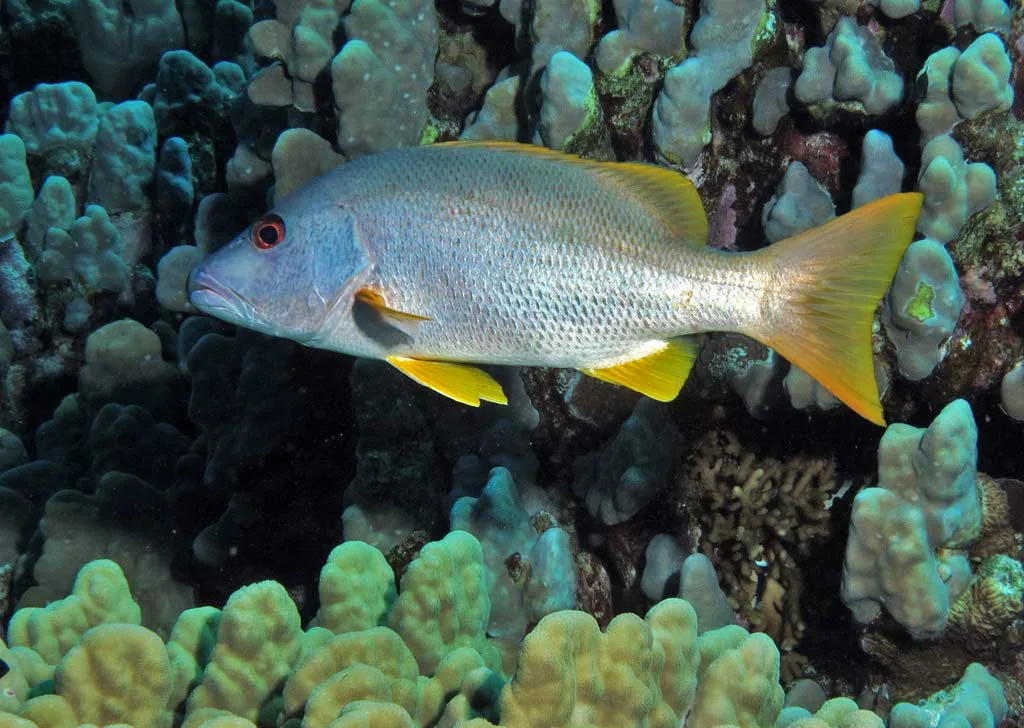
Beyond productivity, Fanditha also served as protection against deeper dangers of the ocean. Rituals were performed to ward off malevolent forces and to guard against Kandumathielhun, the belief that unseen powers could mislead vessels and cause them to drift off course. This spiritual protection became especially critical during high-risk ventures such as traditional tiger shark hunting, where rituals were performed to neutralize danger and prevent spiritual retaliation.
For generations, this blend of animism, Islamic mysticism, and lived maritime experience formed a core part of Maldivian identity. The boat was never merely a physical vessel but a spiritual space requiring alignment. For those who lived by the sea—and for those of us who have witnessed these practices firsthand—tending to the unseen was not optional. It was a matter of survival.
Master Fishermen and Lunar Knowledge
Maldivian folklore frequently describes exceptional fishermen who consistently succeeded when others failed. These figures were portrayed not simply as skilled practitioners, but as individuals possessing special knowledge of timing, ritual, and the sea’s hidden rhythms.
Their success often followed preparatory actions performed before fishing—spoken formulas, ritual movements, or deliberate observance of particular lunar nights. While the Moon is not always named directly, these stories assume a lunar framework in which night fishing, moonlit preparation, and attention to phases are taken for granted. The master fisherman was one who understood not only how to fish, but when the sea was receptive.
Conclusion
In traditional Maldivian culture, the relationship between the Moon and fishing was deep, practical, and symbolic. The Moon regulated time, shaped ritual practice, influenced fishing behavior, and governed access to forces believed to control marine abundance. Fishing was not merely labor carried out on water; it was a practice embedded in lunar rhythm and environmental awareness.
By aligning fishing activities with lunar nights, tidal changes, and seasonal winds, Maldivian fishermen expressed a worldview based on observation, experience, and respect for natural cycles. The Moon, steady above the shifting ocean, remains a reminder that successful fishing depends not only on skill and effort, but on understanding when the sea is ready to give.
References & Acknowledgements
Romero-Frias, Xavier.
The Maldive Islanders: A Study of the Popular Culture of an Ancient Ocean Kingdom.
Nova Ethnographia Indica, 1999.
Rafeeqbe (Abdulla Rafeeq) – Legendary fisherman of Aabadhuge, Fuvahmulah.
Oral knowledge and lived experience shared through family tradition, particularly regarding lunar nights, tidal changes, and practical fishing wisdom.
Ahamadhubea – Experienced reef fisherman of the Vashaniege household, Fuvahmulah.
Contributed traditional knowledge on species-specific fishing practices, including moonlight fishing for six-finger threadfin (keyla maha).
Ahmed of Dheeframge – Experienced and renowned fisherman of Fuvahmulah.
Acknowledged for long-standing practical expertise in reef and coastal fishing, seasonal winds, and lunar–tidal timing.
This article brings together academic research and lived maritime knowledge passed down through generations of Maldivian fishermen.