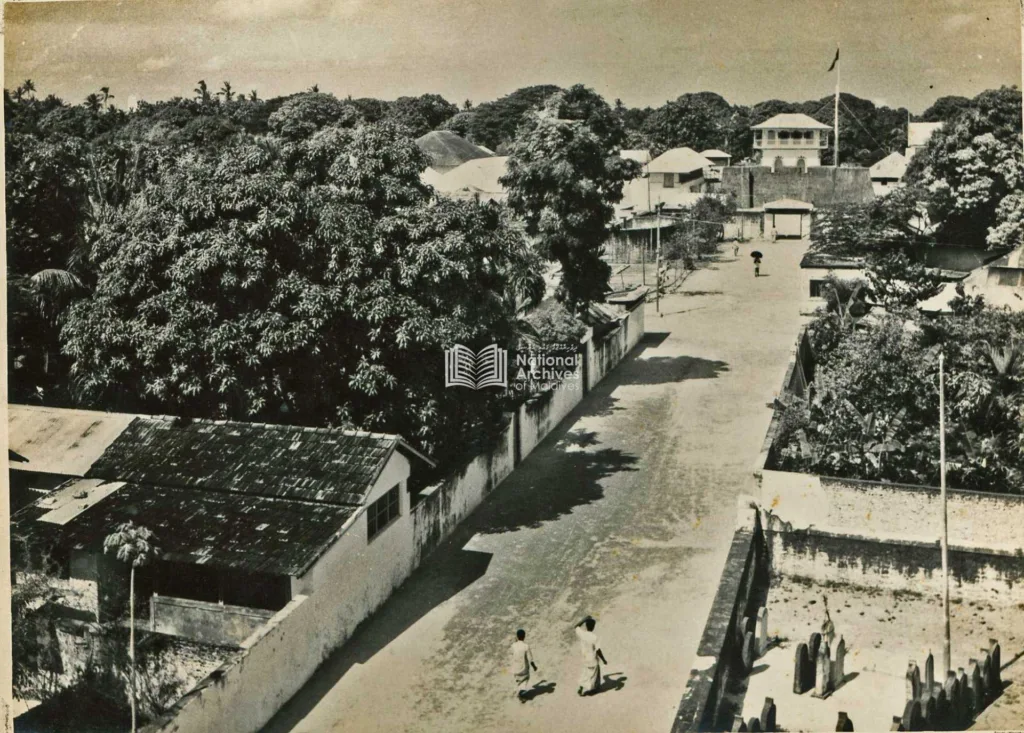
Archaeological and heritage sites scattered across the Maldives reveal a remarkable story—these islands have been home to thriving communities for more than 2,500 years (Zaha, n.d.). This long history has shaped a rich cultural heritage rooted in creativity, resilience, and a deep connection to nature. From graceful mosques to sturdy homes and beautifully crafted fishing vessels, Maldivians have long expressed their way of life through skilled craftsmanship. Among these, traditional housebuilding stands out as a powerful reflection of dedication, cultural pride, and communal harmony.
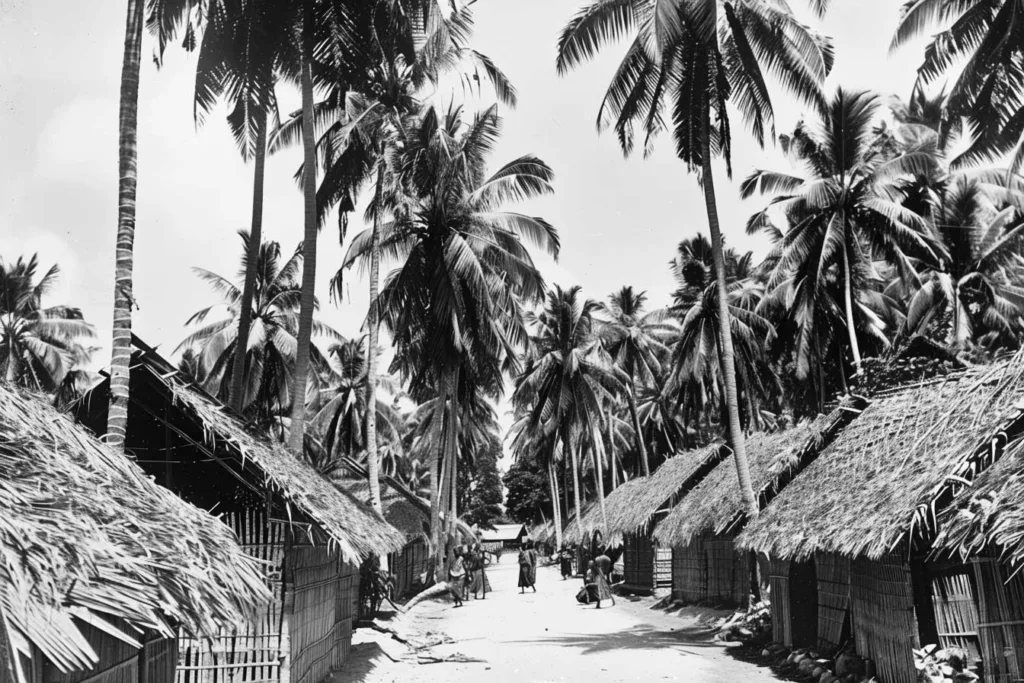
Island homes were constructed using materials sourced entirely from the natural surroundings. Coconut palm timber, sandstone, palm leaves, magū dhandi (sea lettuce tree), and dhumburi dhandi (corkwood) formed the foundation of traditional architecture. Each material played a vital role, naturally adapting homes to the Maldives’ hot and humid climate. Sandstone, commonly used for foundations, was easily gathered from nearby beaches (Zaha, n.d.), showing how island life evolved in balance with the environment.
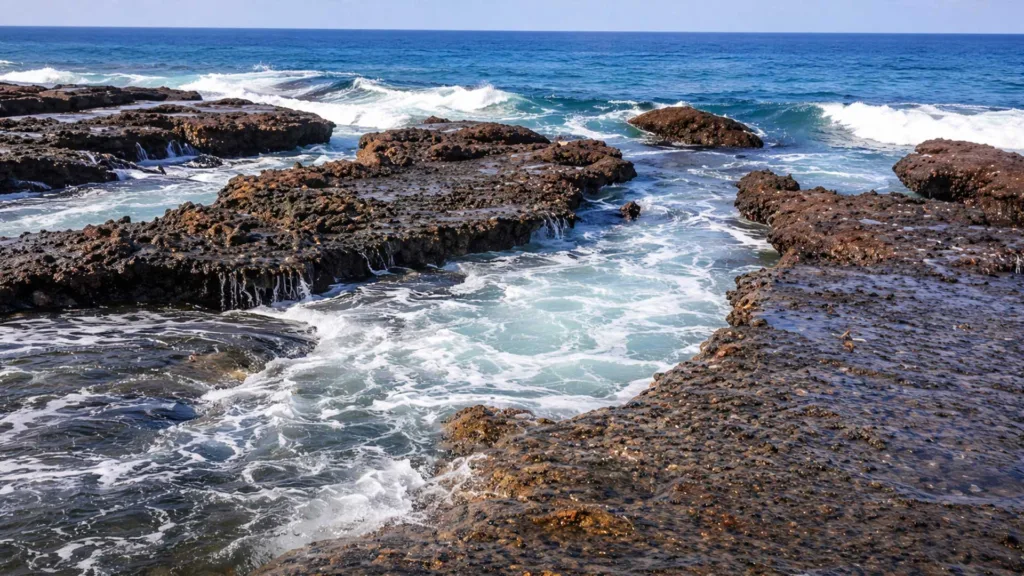
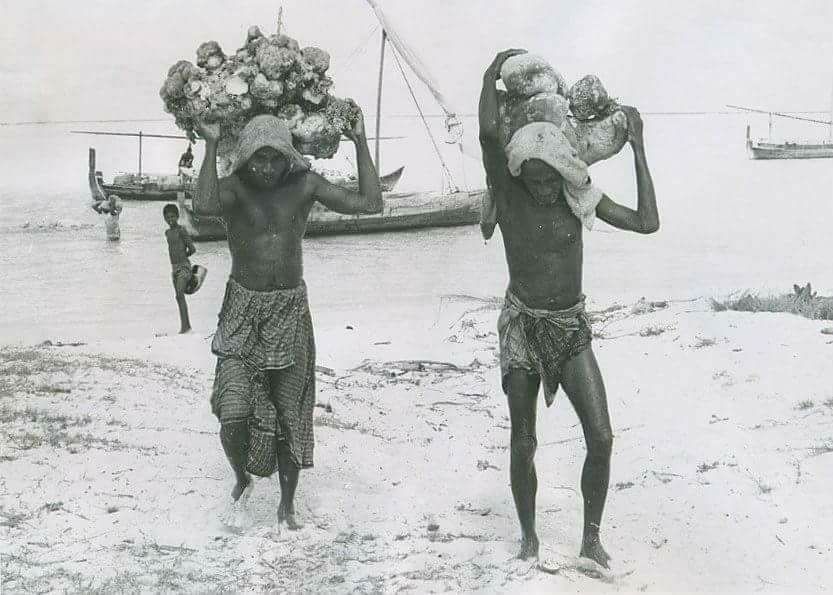
One of the most demanding tasks in this process was collecting coral stones. Under the intense tropical sun, men worked for hours along the shoreline, forming groups to extract coral using iron rods, axes, and hammers. The work was physically exhausting, yet it carried a unique rhythm—songs echoed across the beach, turning labor into a shared cultural experience.
Coral collection was essential for building homes and sustaining island life. It was never an individual effort but a collective one, carried out for the benefit of the entire community. This shared responsibility reflected strong bonds of unity, cooperation, and care—values that continue to define Maldivian island life today.
After days of hard labor, the coral stones were placed on higher ground to dry. Sun and air removed salt and reduced the strong natural odor of the rocks. Once ready, the stones were transported to homes or designated areas, where they were broken into smaller, irregular pieces for construction.
This final stage required skilled hands. Using a koaraadi (axe), experienced coral breakers carefully shaped the stones to size. With no protective gear and working only with bare hands, these craftsmen sat on small wooden slabs, striking the coral from morning until sunset. By the end of the day, heaps of coral fragments surrounded them—quiet yet powerful reminders of the endurance, skill, and community spirit that built the Maldives, one home at a time.