Silent Giants of the Current
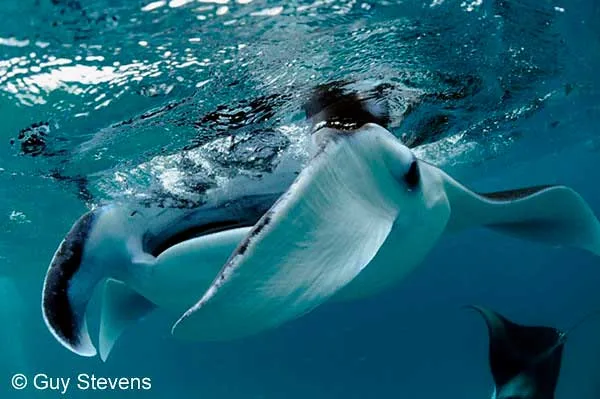
Across the Maldives, manta rays do not roam at random. Instead, they gather with remarkable predictability at a handful of reef pinnacles, channels, and enclosed lagoons—places where currents concentrate plankton or reef fish provide cleaning services. These sites form the backbone of manta protection in the country: discrete, biologically intense locations where human pressure and ecological importance intersect.
What follows is a field-style synthesis of the Maldives’ most significant manta aggregation and cleaning sites, as documented in protected-area literature.
Fushifaru Thila
Atoll: Lhaviyani
Site Type: Thila (submerged reef pinnacle)
Rising from the deep like a cathedral spire, Fushifaru Thila is shaped by strong tidal currents that funnel plankton across its slopes. Here, manta rays return repeatedly to two distinct cleaning stations, where reef fish pick parasites from their skin. The site’s hydrodynamics make it one of the clearest examples of current-driven manta site fidelity in the Maldives.
Manta Use: Cleaning (two stations identified)
Lankan Thila (Thila Nassimo)
Atoll: Kaafu
Site Type: Thila (reef-pinnacle system)
Located near the edge of Malé Atoll, Lankan Thila is a meeting point between reef structure and open ocean. Overhangs and vertical walls attract pelagic life, and manta rays are regularly observed circling the pinnacle—often during periods of heightened current flow.
Manta Use: Regular presence (behavior not specified)
Hanifaru Bay
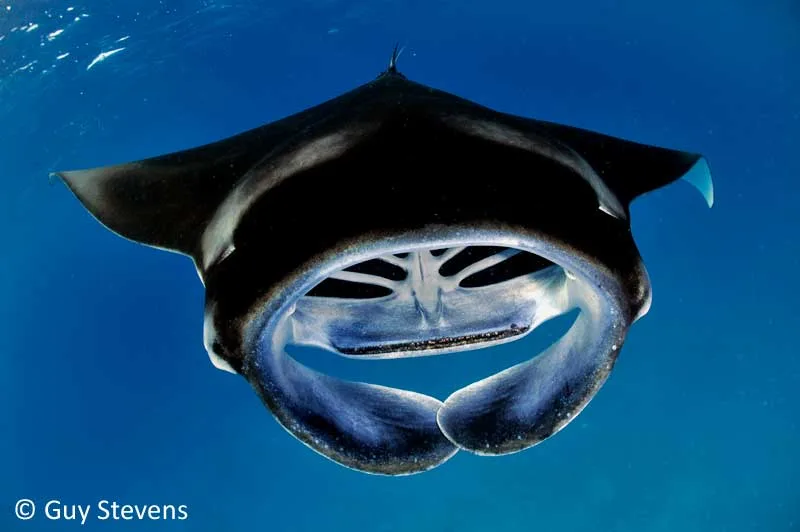
Atoll: Baa
Site Type: Enclosed lagoon / bay
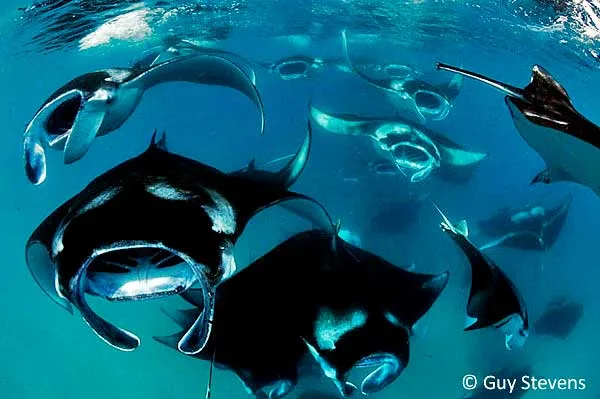
Few places on Earth rival Hanifaru Bay. During the southwest monsoon, plankton-rich waters become trapped inside this shallow bay, triggering mass feeding aggregations of manta rays—sometimes numbering in the hundreds. This phenomenon has made Hanifaru one of the most important manta feeding grounds globally and a cornerstone of Maldivian marine protection.
Manta Use: Feeding aggregation (globally significant)
Dhigu Thila / Dhigurah Lagoon
Atoll: Alifu Dhaalu (South Ari)
Site Type: Lagoon / reef-edge system
Along the reef edge and into the lagoon waters near Dhigurah, manta rays appear seasonally, drawn by plankton blooms that develop under specific monsoon and tidal conditions. Unlike fixed cleaning stations, this area functions as a broader aggregation zone, shifting subtly with water movement.
Manta Use: Seasonal aggregation
Rasdhoo Madivaru
Atoll: Alifu Alifu (North Ari)
Site Type: Channel / reef-edge system
Rasdhoo Madivaru is defined by moving water. Strong channel currents deliver nutrients and attract a suite of pelagic species—sharks, rays, and, at certain times of year, manta rays. Their presence here is seasonal, linked to larger-scale oceanographic patterns rather than fixed reef behavior.
Manta Use: Seasonal presence within pelagic assemblage
Marine Megafauna
Manta Aggregation & Cleaning Sites
| Site | Atoll | Site Type | Manta Use |
|---|---|---|---|
| Fushifaru Thila | Lhaviyani | Thila | Cleaning stations (2) |
| Lankan Thila (Thila Nassimo) | Kaafu | Thila | Regular presence |
| Hanifaru Bay | Baa | Lagoon | Feeding aggregation |
| Dhigurah / Dhigu Area | South Ari | Lagoon / reef edge | Seasonal aggregation |
| Rasdhoo Madivaru | North Ari | Channel / reef edge | Seasonal presence |