Though scattered across the open Indian Ocean, the Maldives is far from isolated in ecological terms. Each year, as seasons shift thousands of kilometers away, birds arrive on these low coral islands from distant breeding grounds across Eurasia. Some come to rest briefly, others to spend the winter, drawn by warm seas, exposed reef flats, and the promise of food along the water’s edge.
Unlike the resident seabirds that define Maldivian skies year-round, migratory birds appear only seasonally. Their arrival adds a quieter, more transient layer to the country’s birdlife—one governed by wind, weather, and ancient routes written into instinct.
This account is informed by decades of field observations compiled by Ash and Shafeeg (2008), highlighting the migratory species most consistently recorded across the Maldivian atolls.
When the Migrants Arrive
Most migratory birds reach the Maldives during the northern winter, typically between September and April. These species breed in temperate or northern regions during the boreal summer, then move south as temperatures fall and food becomes scarce.
For birds crossing oceans and continents, the Maldives offers a rare combination: warm, stable conditions; extensive shallow-water feeding grounds; and relative safety from predators. For some species, the islands are a winter home. For others, they are a temporary refuge—a pause in journeys that span hemispheres.
Shorebirds of Reef and Sand
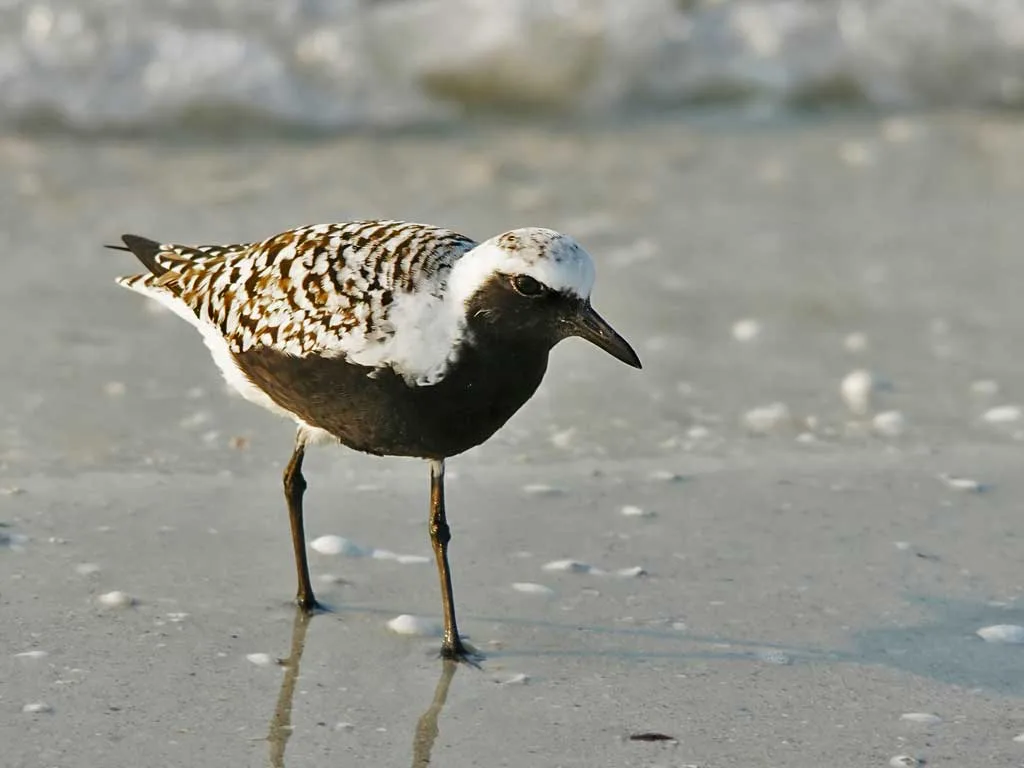
The most visible migrants in the Maldives are waders and shorebirds. They appear quietly on reef flats at low tide, along beaches and sandbanks, and beside shallow lagoons where crabs and small invertebrates are exposed by retreating water.
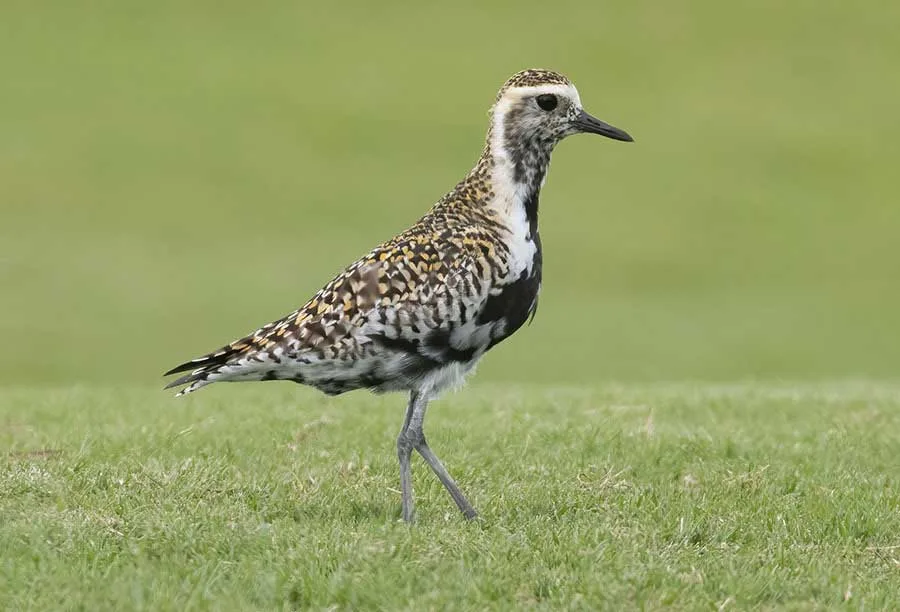
Among the most regularly recorded are the Common Sandpiper (Actitis hypoleucos), often encountered along jetties and harbour edges, and the Whimbrel (Numenius phaeopus), its long, curved bill probing reef flats for prey. Pacific Golden Plovers (Pluvialis fulva) stand alert on open ground and reclaimed land, while Grey Plovers (Pluvialis squatarola) patrol beaches and exposed coral.
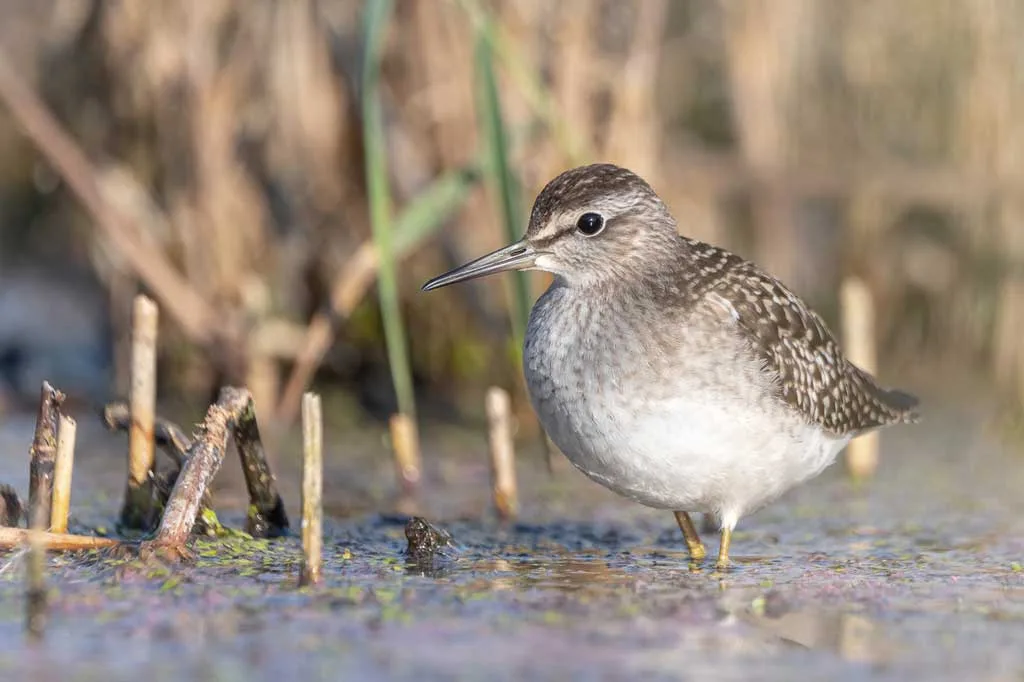
In wetter corners, Wood Sandpipers (Tringa glareola) and Green Sandpipers (Tringa ochropus) appear where shallow pools or freshwater are available—scarce habitats that nonetheless draw migrants year after year. Many of these birds remain for months, often returning to the same feeding sites in successive winters.
Seabirds on the Move
Some migratory visitors arrive from the open ocean. Though seabirds spend much of their lives far from land, a few species pass through or breed seasonally in the Maldives.
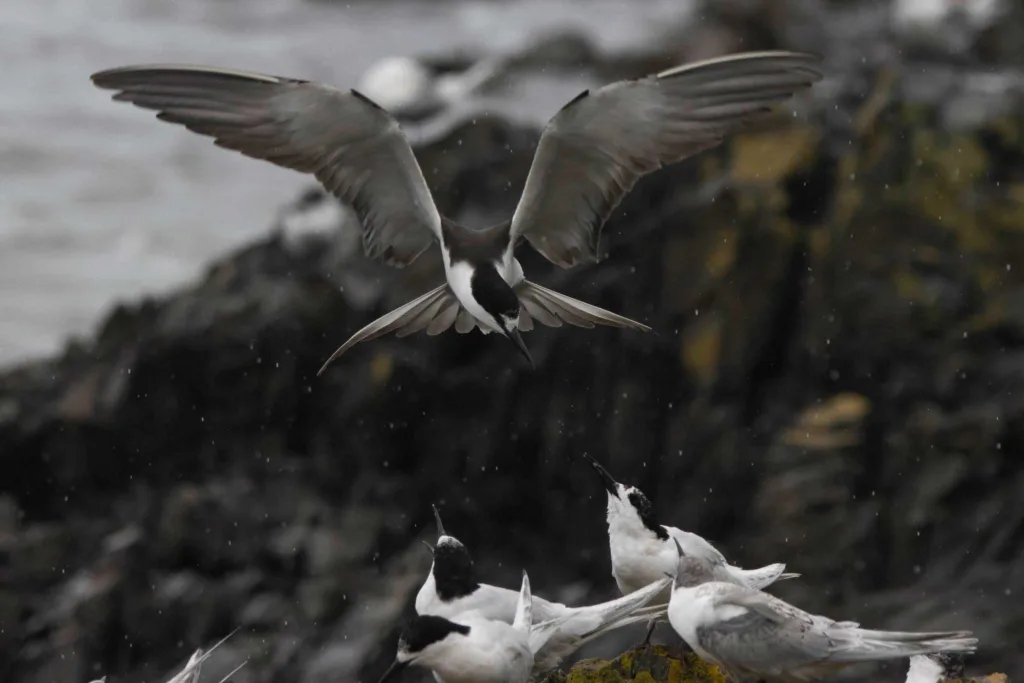
Sooty Terns (Onychoprion fuscatus), among the most wide-ranging of seabirds, are highly pelagic, coming ashore only to breed. Roseate Terns (Sterna dougallii) appear more quietly, regular but never abundant, while Bridled Terns (Onychoprion anaethetus) are often present but easily overlooked, their movements subtle against the vastness of sea and sky.
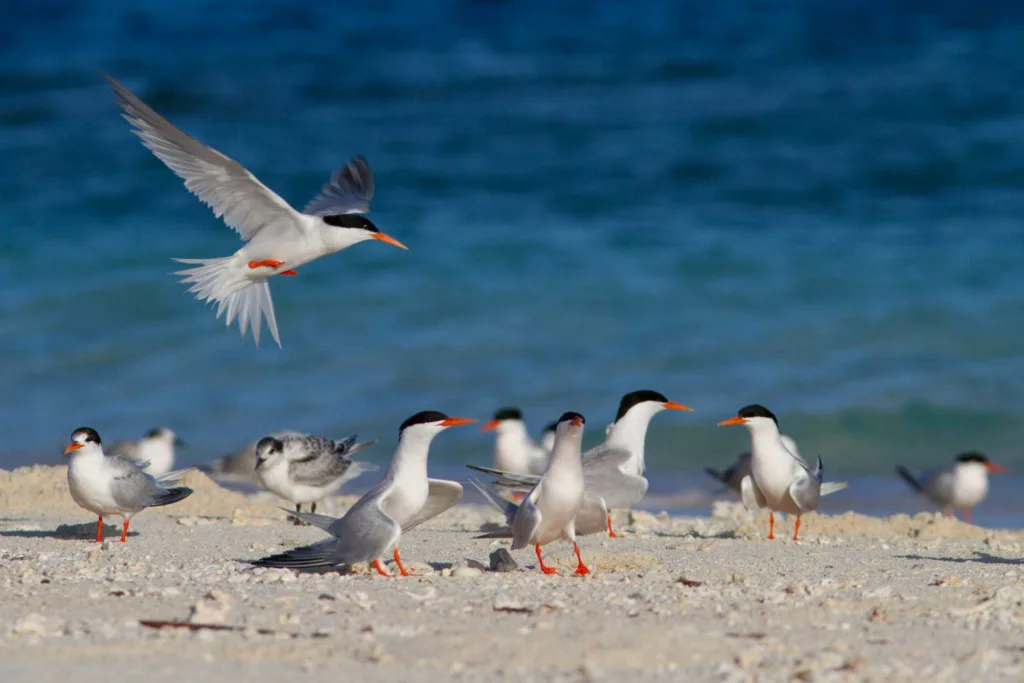
Together, these species underline the Maldives’ position within a broader Indian Ocean network—one shaped by currents, monsoons, and seasonal productivity.
Hunters from Afar
Birds of prey arrive in far smaller numbers, but their presence is striking. The Osprey (Pandion haliaetus), a fish-eating specialist, is a regular winter visitor, often seen alone, hovering above lagoons before plunging feet-first into the water.
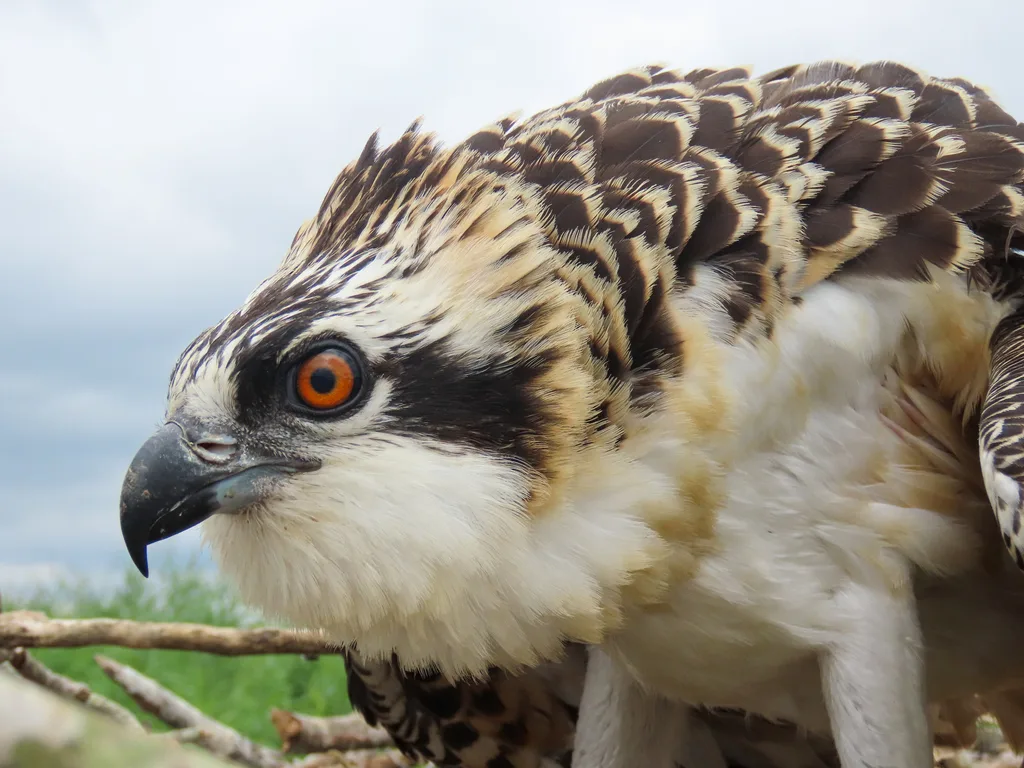
More fleeting still is the Peregrine Falcon (Falco peregrinus), recorded occasionally during passage. Its appearances are brief reminders that even apex aerial predators are part of these long-distance movements.
Rare Land-Bird Visitors
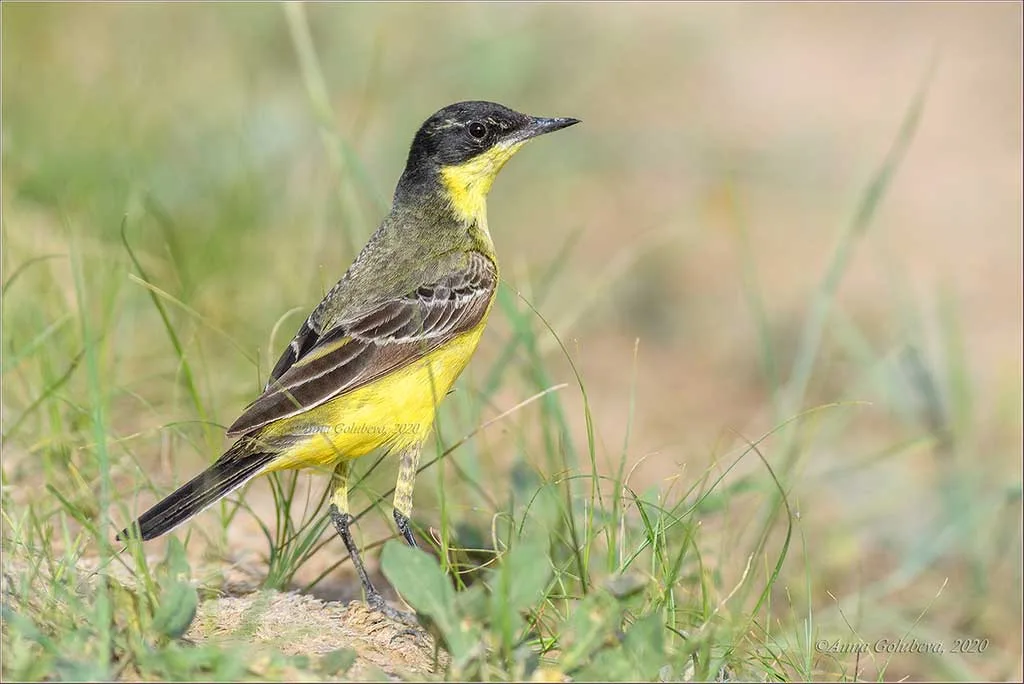
Land-bird migration to the Maldives is limited by distance and habitat. With little freshwater and few extensive forests, the islands offer few resources for terrestrial species. Even so, a small number arrive.
Barn Swallows (Hirundo rustica) sweep low over open areas, while Yellow Wagtails (Motacilla flava) and Grey Wagtails (Motacilla cinerea) appear near wetlands and freshwater margins. The Pied Cuckoo (Clamator jacobinus), recorded only exceptionally, stands as a reminder of how unusual such crossings can be.
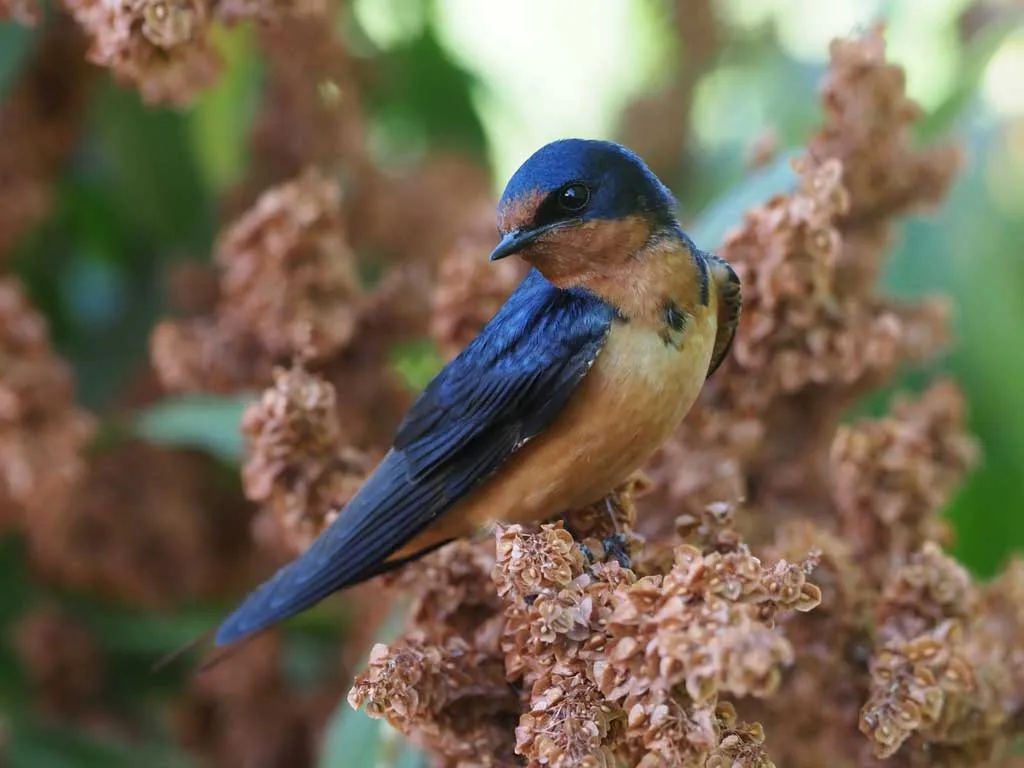
Many land-bird records are concentrated on Fuvahmulah, whose freshwater wetlands and vegetation provide conditions unmatched elsewhere in the country.
Why These Visitors Matter
Migratory birds reveal how deeply the Maldives is connected to global ecological systems. Their presence highlights the importance of reef flats and lagoons as feeding grounds, the role of isolated islands as stopover sites, and the influence of monsoon winds on movement across the Indian Ocean.
Though the number of migratory land birds is small, each arrival represents a journey of extraordinary scale—and a link between the Maldives and distant continents.
A Seasonal Rhythm
Migratory birds add a subtle but meaningful rhythm to Maldivian birdlife. From the first arrivals in early autumn to the quiet departures of spring, these temporary visitors complement the constant presence of resident seabirds.
They are reminders that even the most remote islands lie along invisible pathways—routes traced year after year by wings moving between worlds.