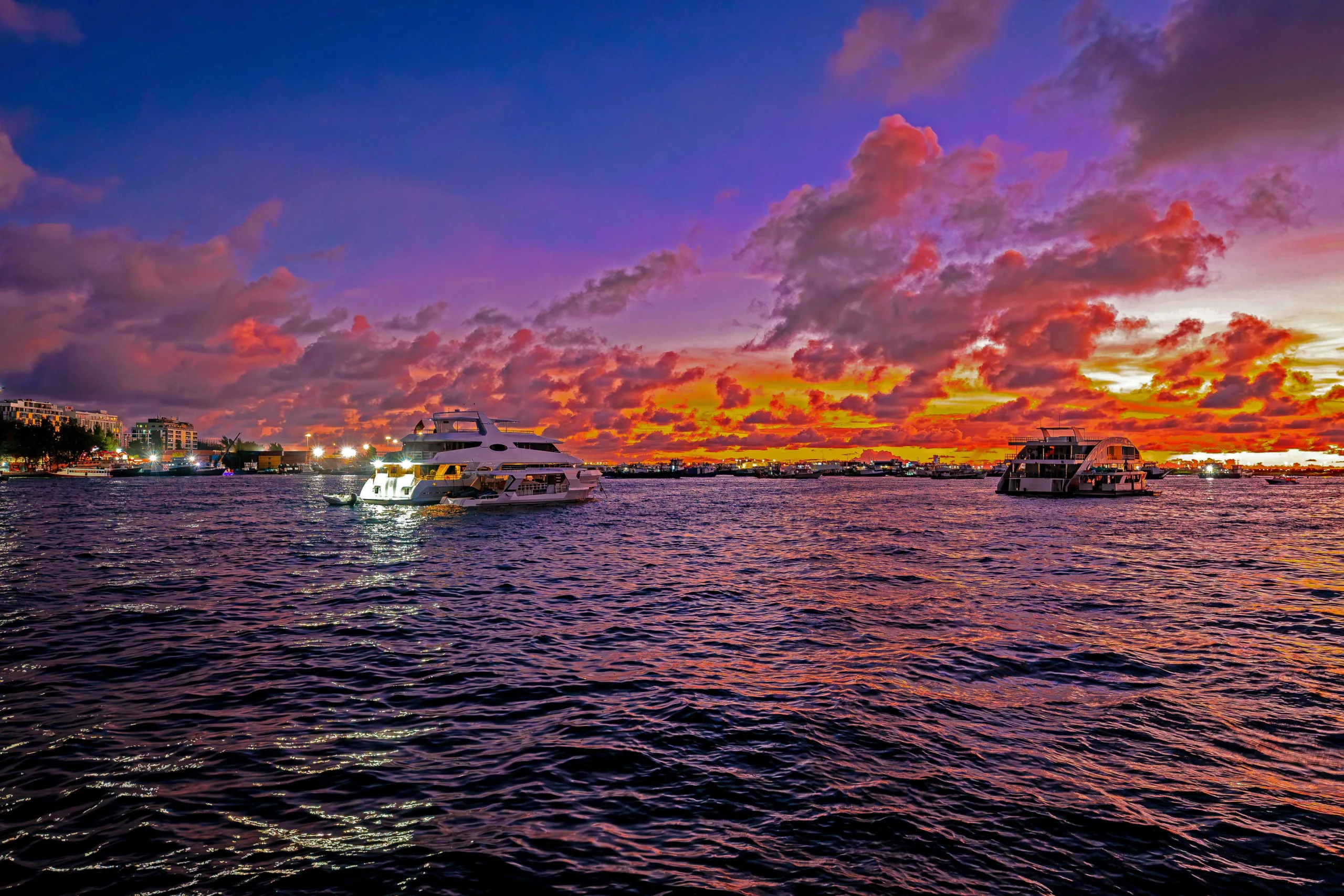
In the velvet-black nights of the Maldivian atolls, long before the arrival of digital weather models or satellite navigation, the heartbeat of the archipelago was measured not in seconds, but in Nakaiy. This ancient lunar calendar, a sophisticated division of the year into twenty-seven distinct mansions, has governed the rhythm of island life for centuries. As we stand at the threshold of 2026—celebrated globally as the Year of the Fire Horse—this celestial map is once again proving that in the Maldives, luck is not a random occurrence; it is a profound geometric calculation.
The Architecture of Auspiciousness
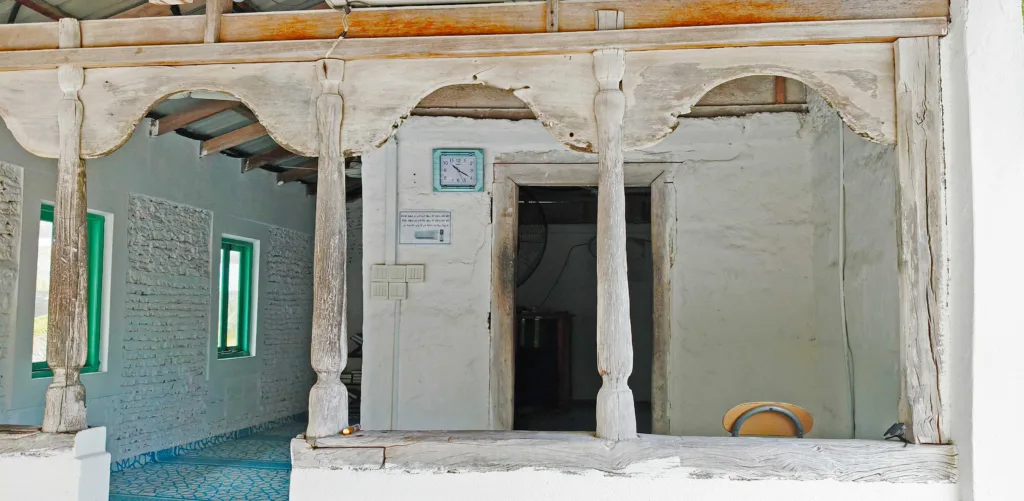
For the ancestral Maldivian, the universe was a rhythmic machine where every action required synchronization with the stars. The Nakaiy system was the fundamental framework for determining this timing. It dictated the very geometry of our islands; the alignment of houses, places of worship, and even boat-building sheds was strictly governed by celestial and directional considerations to ensure they were auspicious.
One of the most intimate secrets of Maldivian construction was the “hollow stone.” It was a common custom to include a specially prepared stone in the foundation of a house, containing auspicious objects intended to anchor prosperity and protection for the inhabitants. This practice ensured that the home was not just a shelter, but a spiritual fortress aligned with the cosmos.
Fanditha and the Language of the Stars
This alignment extended deeply into the realm of Fanditha, or traditional sorcery. The Nakaiy system is inextricably intertwined with these rituals, used to harness or mitigate the luck associated with specific windows of time. Timing was everything: practitioners knew that magic and recitations reached their peak effectiveness during specific transitions, such as the haunting moment when the light in the western sky begins to fade.
In this tradition, language itself is a vessel for destiny. There remains a powerful belief in the invocation of specific words—analogous to mantras—that can change a person’s fortune or even invoke spirits, provided they are whispered under the correct celestial conditions.
Maritime Luck and the Spirits of the Deep
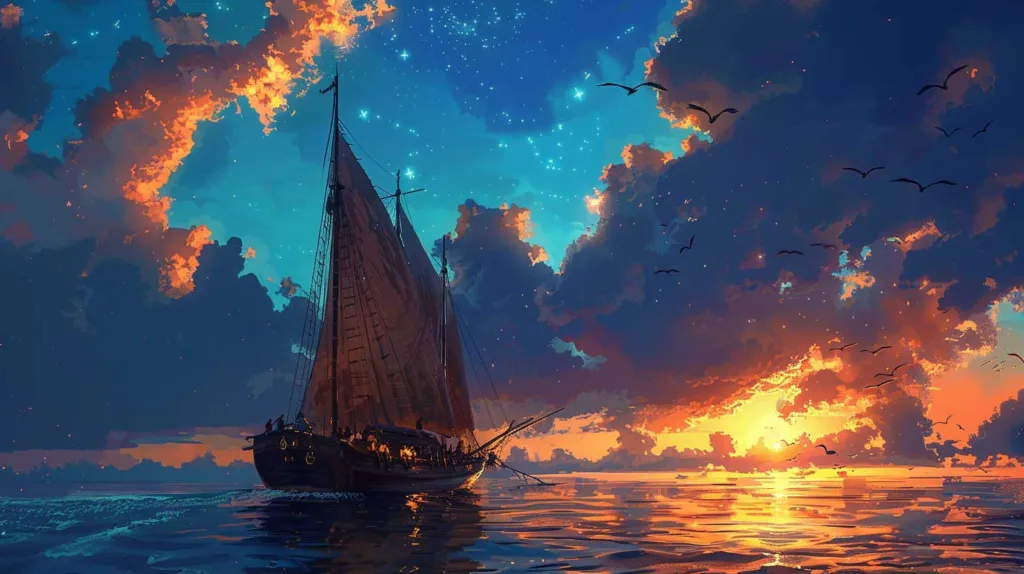
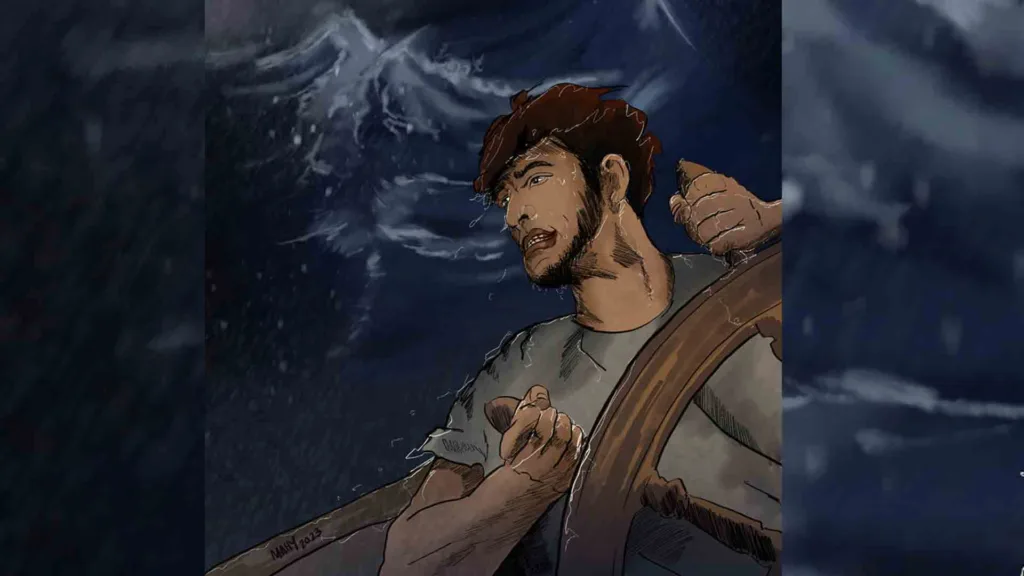
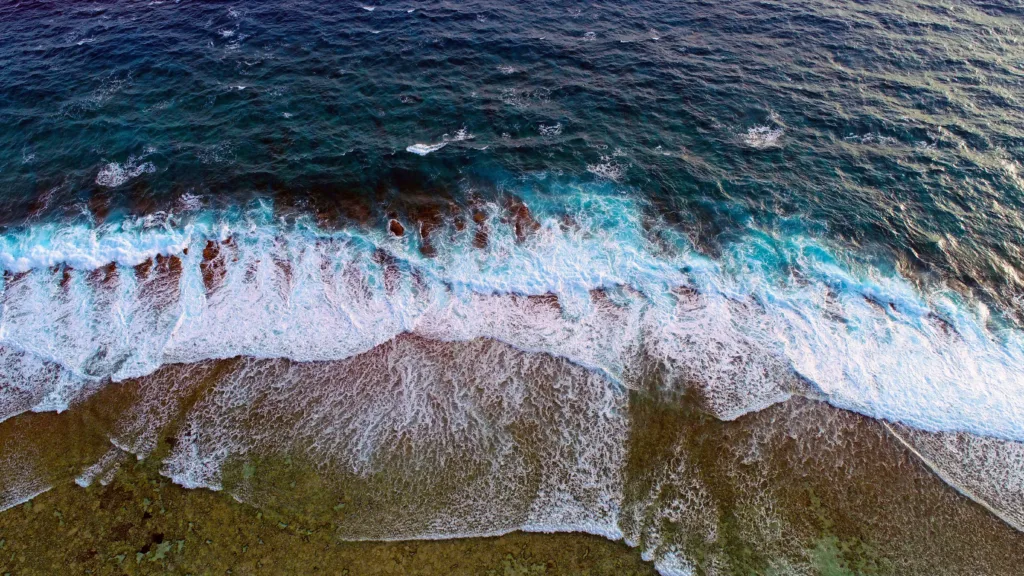
For an island kingdom, the “luck” of the sea is paramount. Sailors and islanders have long navigated a world populated by spirits, such as the bēri of the Northern Atolls. These entities could haunt or help, their behavior often dictated by the timing of the encounter and the conduct of the humans involved. To ensure safe passage, traditional practices involved ritual offerings—sometimes leaving specific lengths of fabric or old dresses at designated locations to appease these spirits.
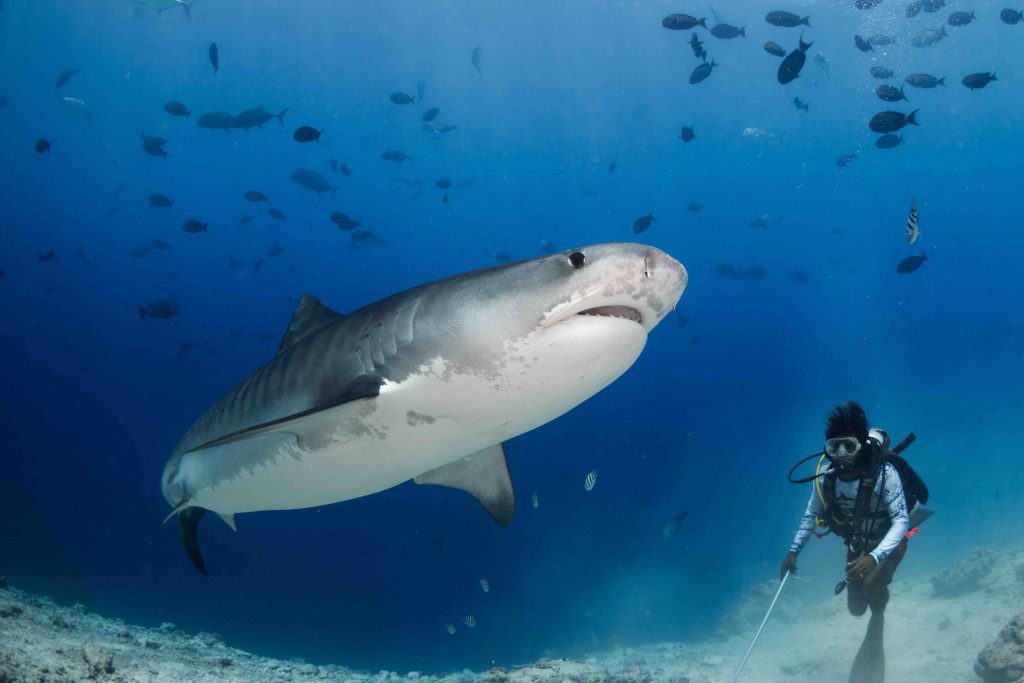
This maritime luck was often viewed as a reflection of “favorable Karma.” Our folklore is rich with stories of characters surviving impossible odds—even being swallowed by giant fish—simply because their spiritual standing and practice of austerity aligned them with the universe.
A Living Legacy
The true keepers of this rhythm were the navigators who treated the stars as their only lanterns. My own grandfather, Hussain Didi of Fuvahmulah, known as Kudhubea, lived by this pulse. A master shipwright who built two veḍi vessels, he understood that a ship was constructed according to the strict dictates of the Nakaiy. My late uncle, Ibrahim Didi, served as a maalimee, carrying this legacy forward by reading the constellations as a literal map of prosperity.
As the energetic influence of the Fire Horse arrives in 2026, the Maldives offers a unique perspective on transformation. While the modern world seeks luck in symbols of change, the Maldivian tradition reminds us that true luck is the art of being in the right place at the right celestial moment. In these islands, you do not simply find luck; you align yourself with a cosmic geometry that has endured for millennia.