A biological lighthouse in the deep Indian Ocean, the southern atolls serve as a final refuge for global travelers and a cradle for unique island residents.
This article is based on the research of J. S. Ash & A. Shafeeg (2008), “Birds of the Maldive Islands, Indian Ocean,” which documented bird distribution, status, and notable records across the Maldives using long-term field observations.
In the vast, blue-on-blue expanse of the Indian Ocean, the southern reaches of the Maldivian archipelago—Addu Atoll and the solitary emerald of Fuvahmulah—stand as a biological lighthouse. While the northern atolls are defined by their scattered coral fragments, the south is a landscape of defiance. Here, larger islands and dense, tangled vegetation provide a rare sanctuary for a class of travelers often overlooked in the Maldives: the birds.
The Geography of Diversity
Why does the South teem with life while other regions remain transient stops? The answer lies in the “Fuvahmulah Anomaly.” Rising abruptly from the deep equatorial channel, this island offers something nearly non-existent elsewhere in the country: freshwater wetlands. These interior lakes and marshes act as a gravitational pull for species that require more than just a salty shoreline. Combined with proximity to the equator and shifting regional wind systems, the southern atolls serve as a natural landing strip for birds displaced by storms or guided by ancient migratory instincts.
The Residents: Masters of the Shoreline
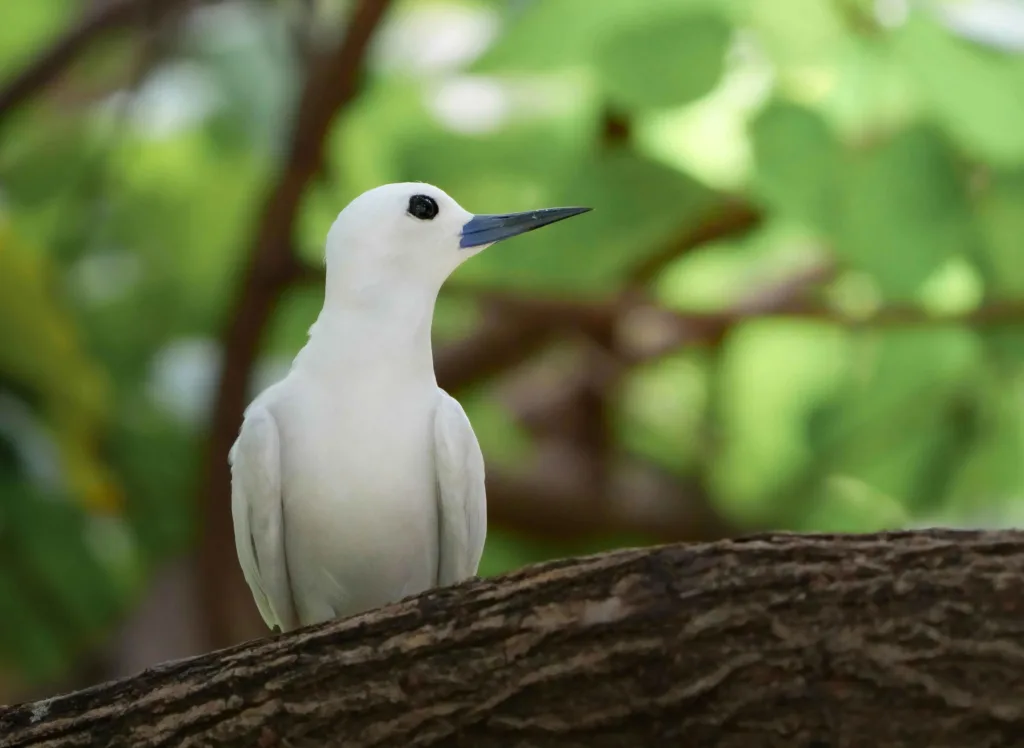
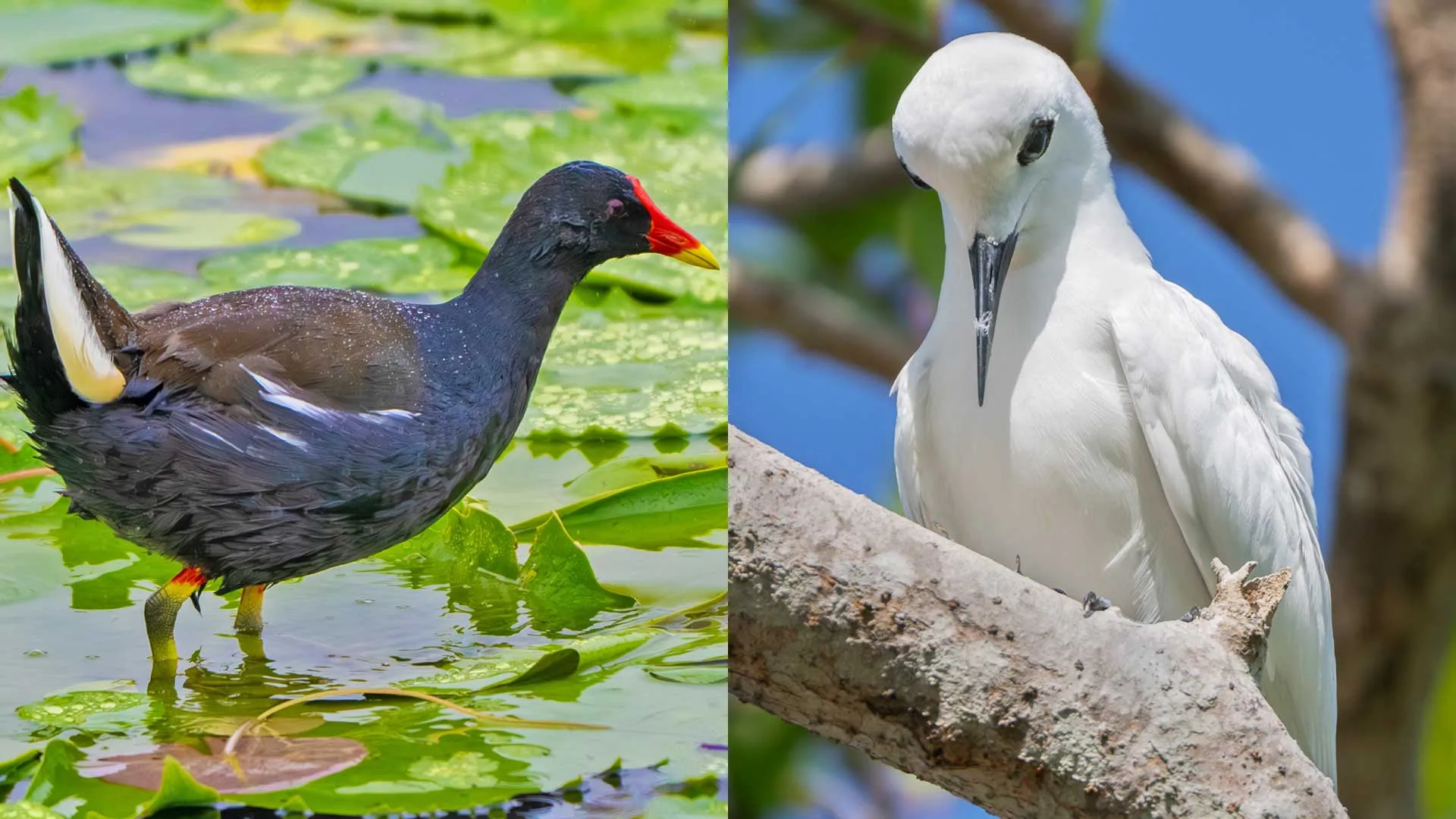
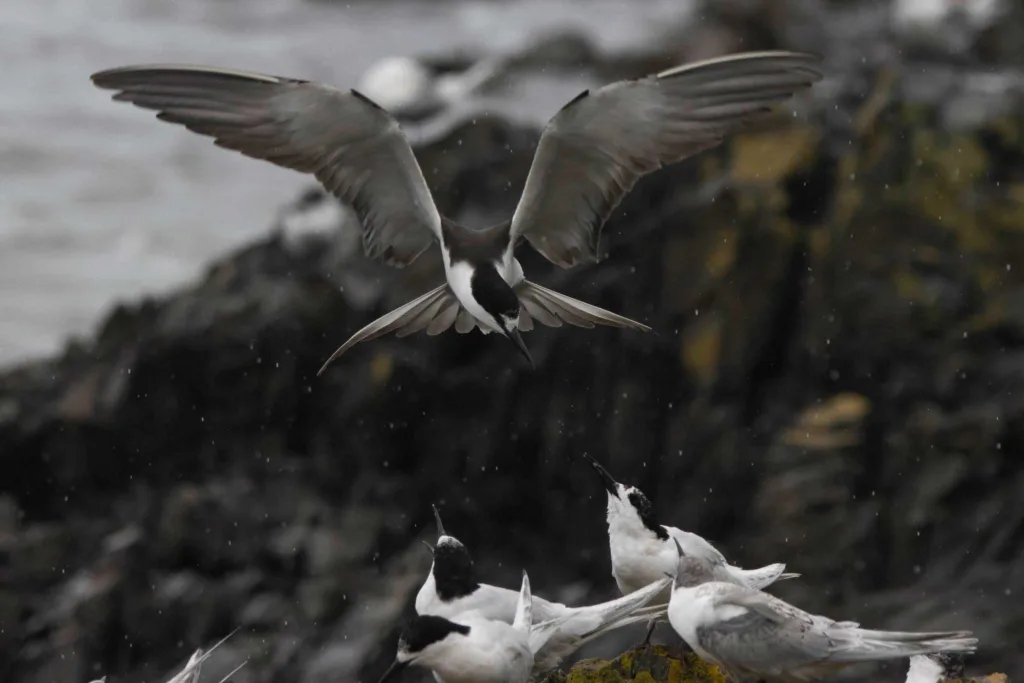
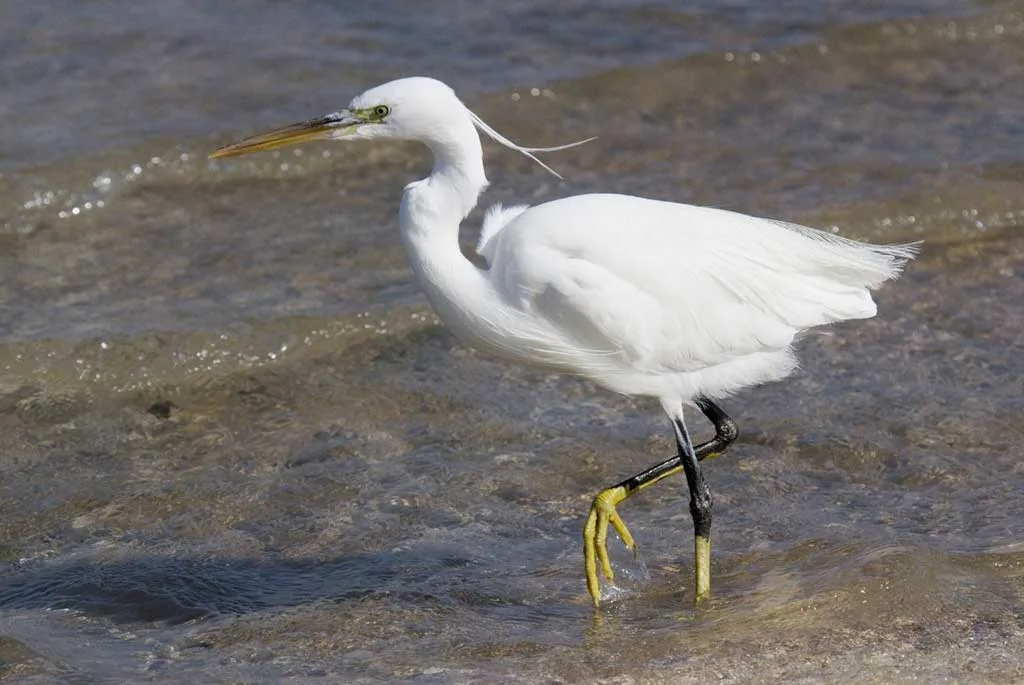
The southern sky is dominated by the White Tern (Gygis alba), a graceful resident breeder that has become a symbol of the region’s avian stability. Above the equatorial channels, the Lesser Frigatebird (Fregata ariel) can often be seen soaring—a master of the thermals that patrols the deep waters between atolls. Along the reef flats, the Western Reef Heron (Egretta gularis) stalks the shallows with surgical patience, a stark contrast to the chaotic, sweeping flights of Sooty Terns and Brown Noddies that claim the uninhabited sandbanks further offshore.
The residents
The Interior: A Hidden Realm of Land and Water
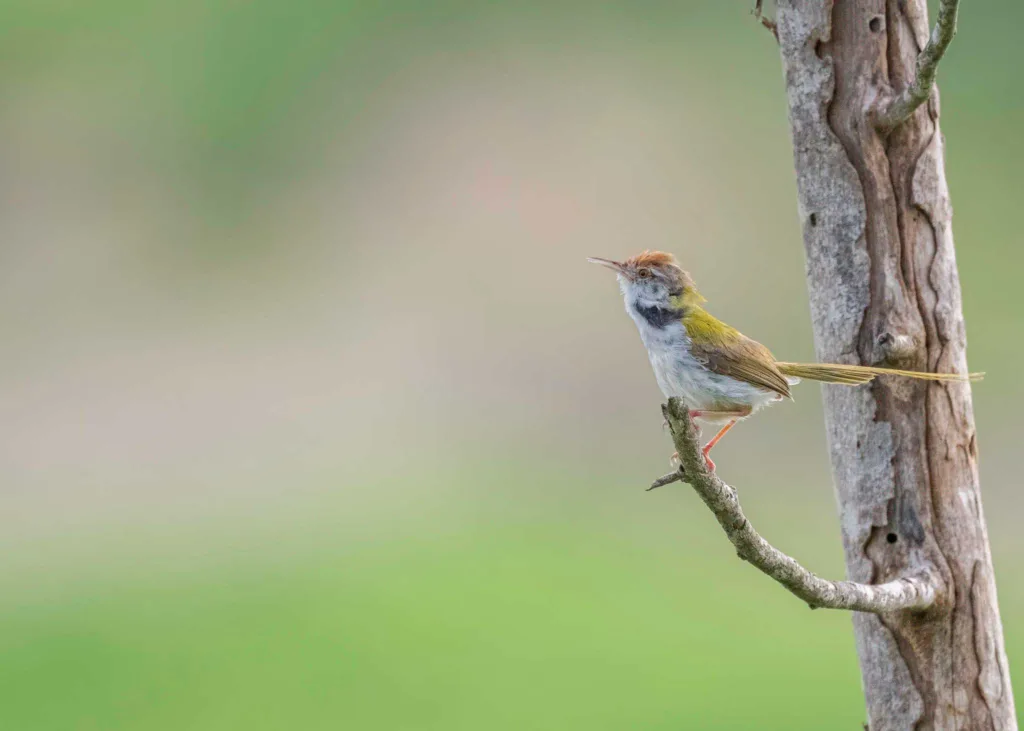
Deep within the wooded heart of the islands, a different symphony plays. The haunting call of the Asian Koel echoes through the palms, while on Fuvahmulah, the Common Tailorbird (Orthotomus sutorius) weaves its intricate nests—a species rarely seen in the northern reaches of the archipelago.
But it is the wetlands that hold the true treasures. In the marshy shadows of Fuvahmulah and the mangroves of the south, one might find:
The Rare Visitors: The Glossy Ibis and the Black-crowned Night Heron. Recent records have also added the Black-headed Ibis (Threskiornis melanocephalus) to this list, with juveniles seeking refuge in the southern mangroves.
The White-breasted Waterhen: A bold, high-stepping resident of the reeds.
The Common Moorhen: An elusive resident of the freshwater taro fields and interior lakes.
The Silent Sentinels: Grey and Purple Herons standing motionless, joined occasionally by the Indian Pond Heron (Ardeola grayii), a species documented in breeding plumage within Addu Atoll.
Travelers of the Wind
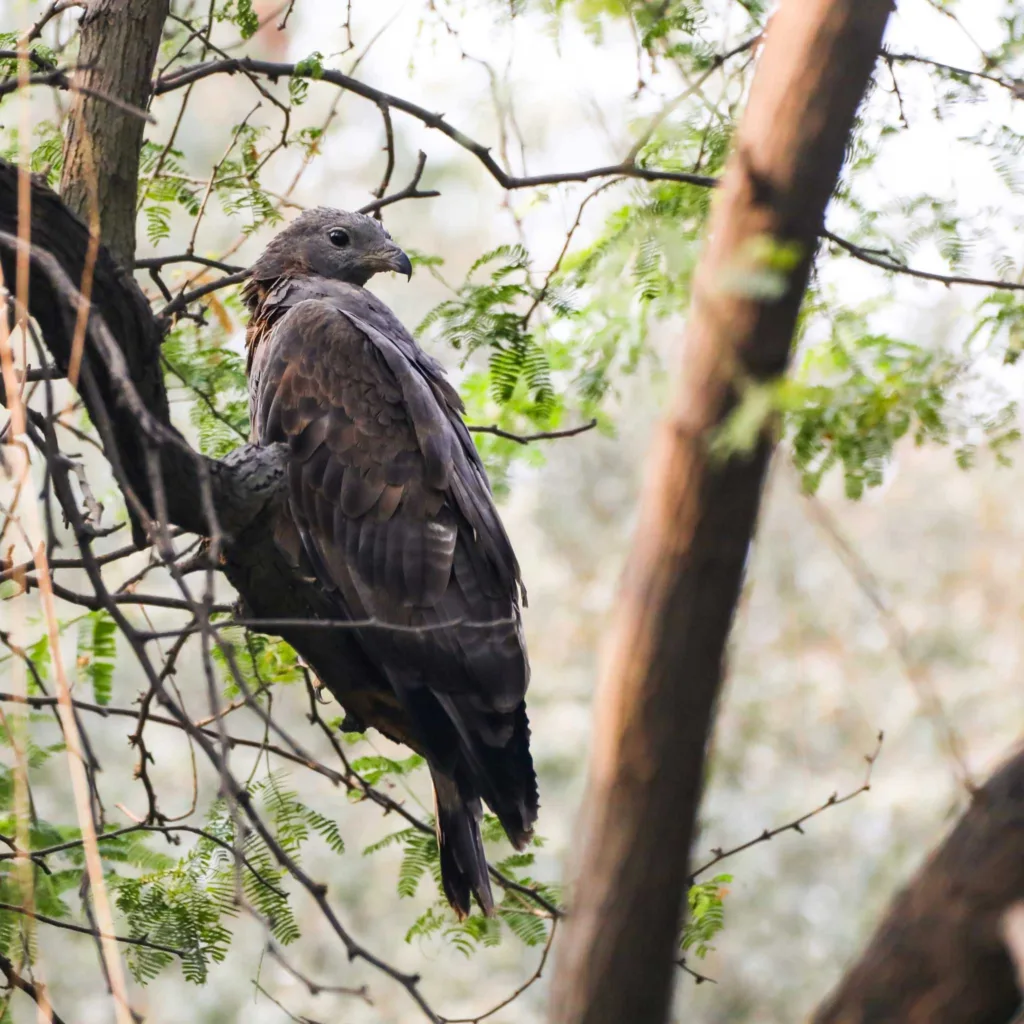
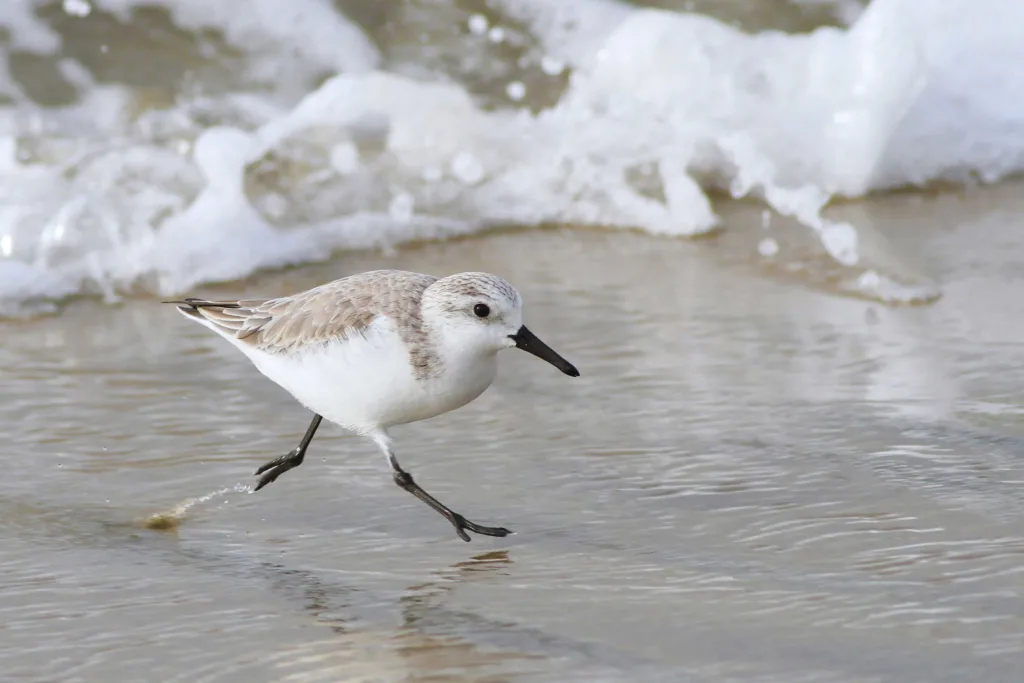
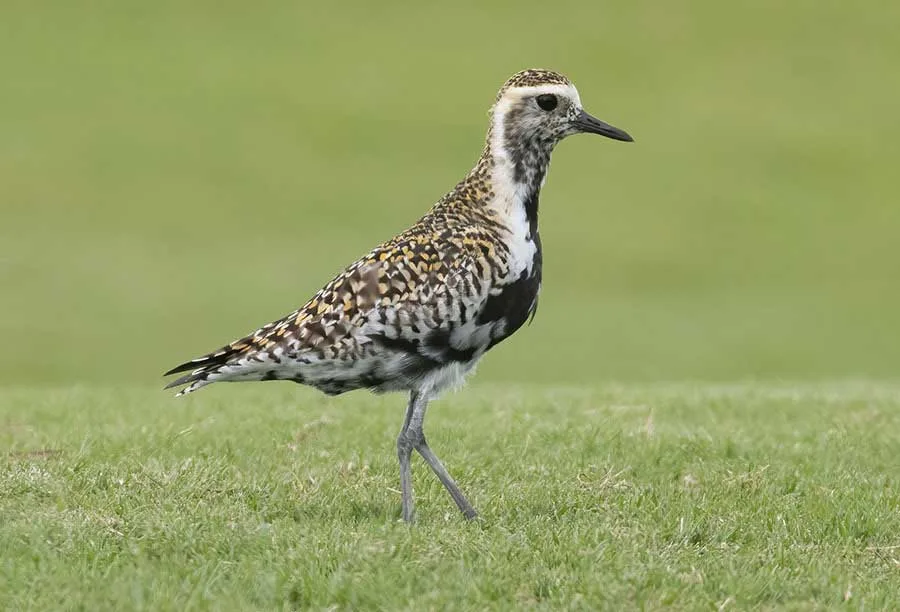
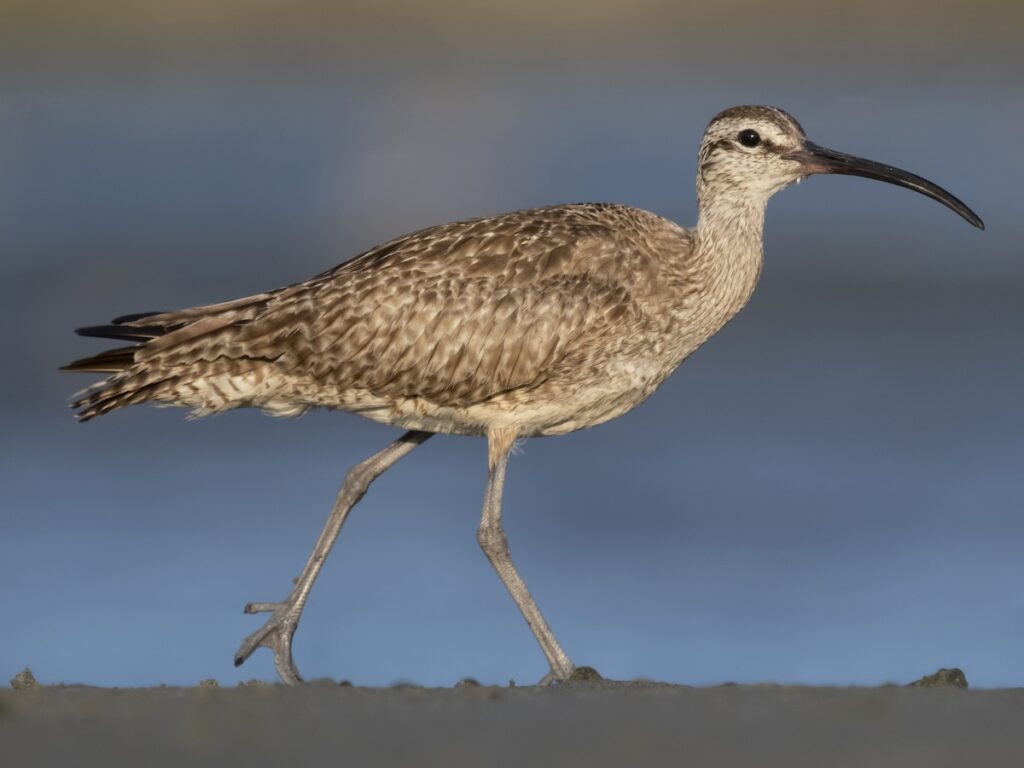
From September to April, the south becomes an international crossroads. Migrants fleeing the northern winter descend upon the atolls. The Pacific Golden Plover and the Whimbrel frequent the shorelines, while the skies occasionally host the “heavyweights” of the avian world.
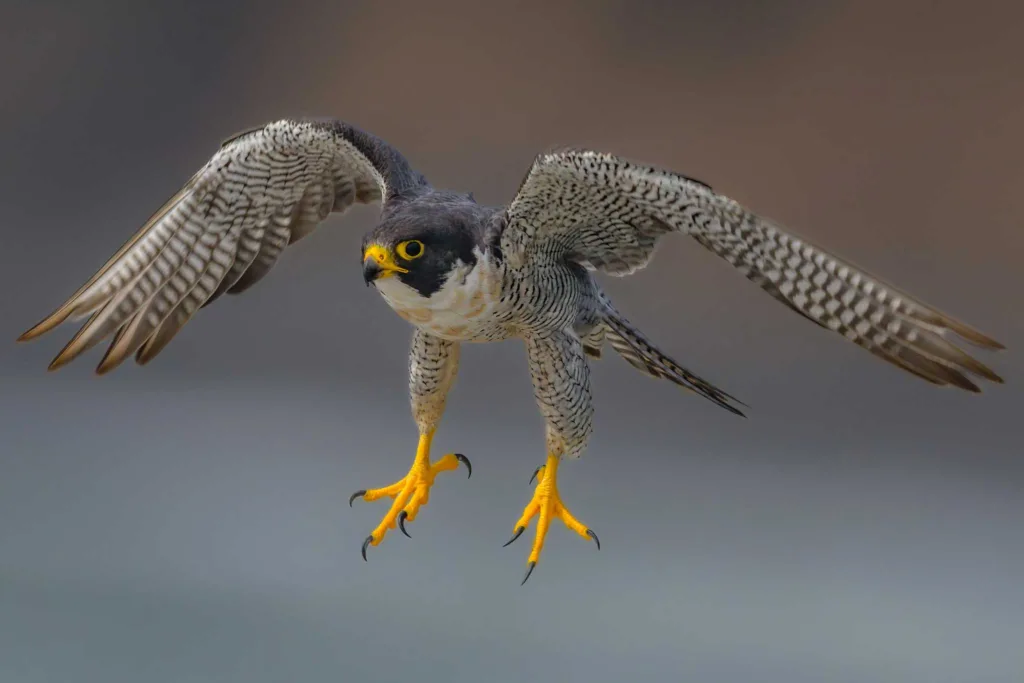
The Osprey is a regular winter visitor, its keen eyes scanning the channels for a meal, joined occasionally by the lightning-fast Peregrine Falcon. More elusive raptors, such as the Oriental Hobby (Falco severus), have also been recorded hunting dragonflies in the tropical air, alongside the Amur Falcon, which uses the atolls as a vital stopover during its marathon crossing to Africa.
“The southern Maldives supports the highest diversity of non-seabird species in the country—it is the vital organ of Maldivian birdlife.”
“The southern Maldives supports the highest diversity of non-seabird species in the country—it is the vital organ of Maldivian birdlife.”
The Scientific Frontier
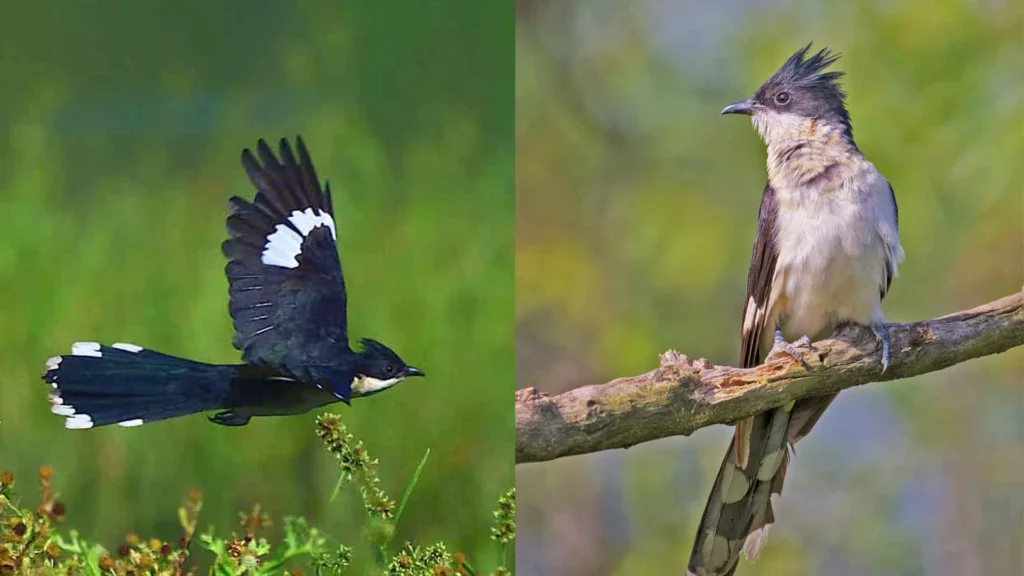
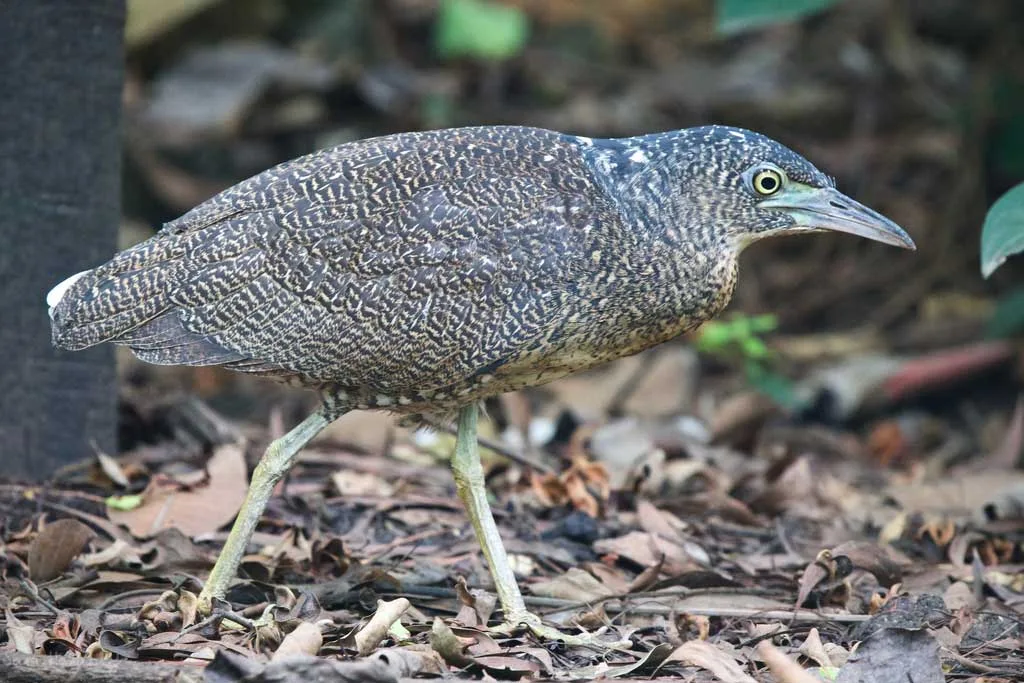
Fuvahmulah’s reputation as a “vagrant trap” is well-earned. The island and its southern neighbors have produced some of the most extraordinary records in Maldivian ornithology. Beyond the famous Pied Cuckoo (Clamator jacobinus), the region has hosted the Malayan Night Heron (Gorsachius melanolophus) and even the European Roller (Coracias garrulus), a passage migrant far from its usual path.
These unexpected visitors—from the Common Quail to the Oriental Honey-buzzard—are often the result of weather-driven displacement. They prove that for a bird lost at sea, these southern islands are more than just land—they are a lifeline. As we document these species, we aren’t just counting birds; we are mapping the health of an ecosystem that bridges the gap between the terrestrial world and the deep blue abyss.
The Southern Sentinels Supplementary Gallery
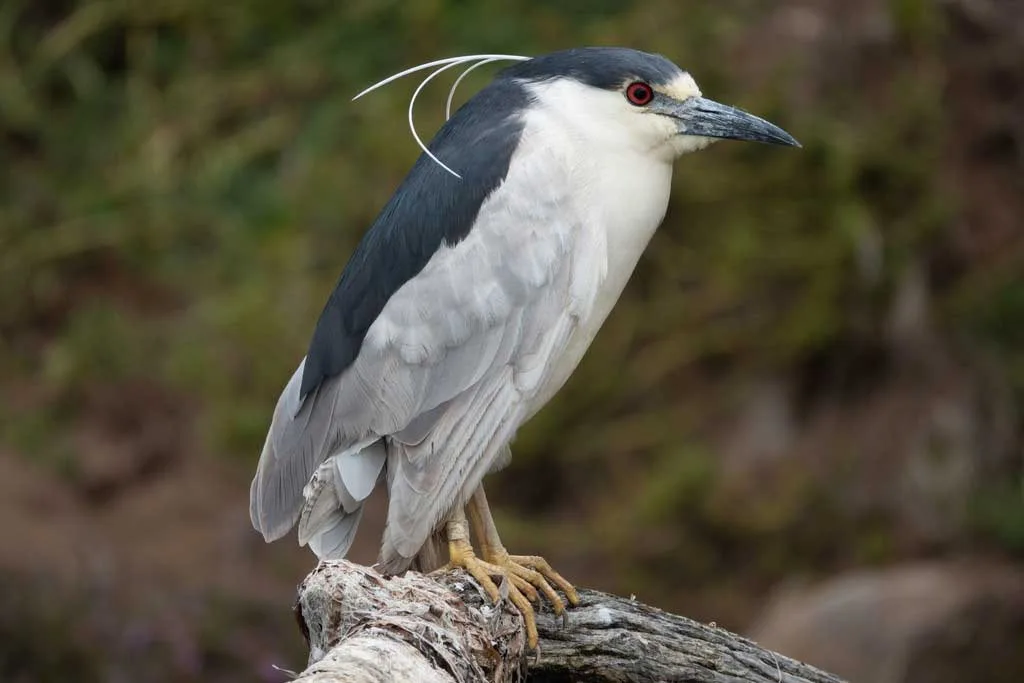
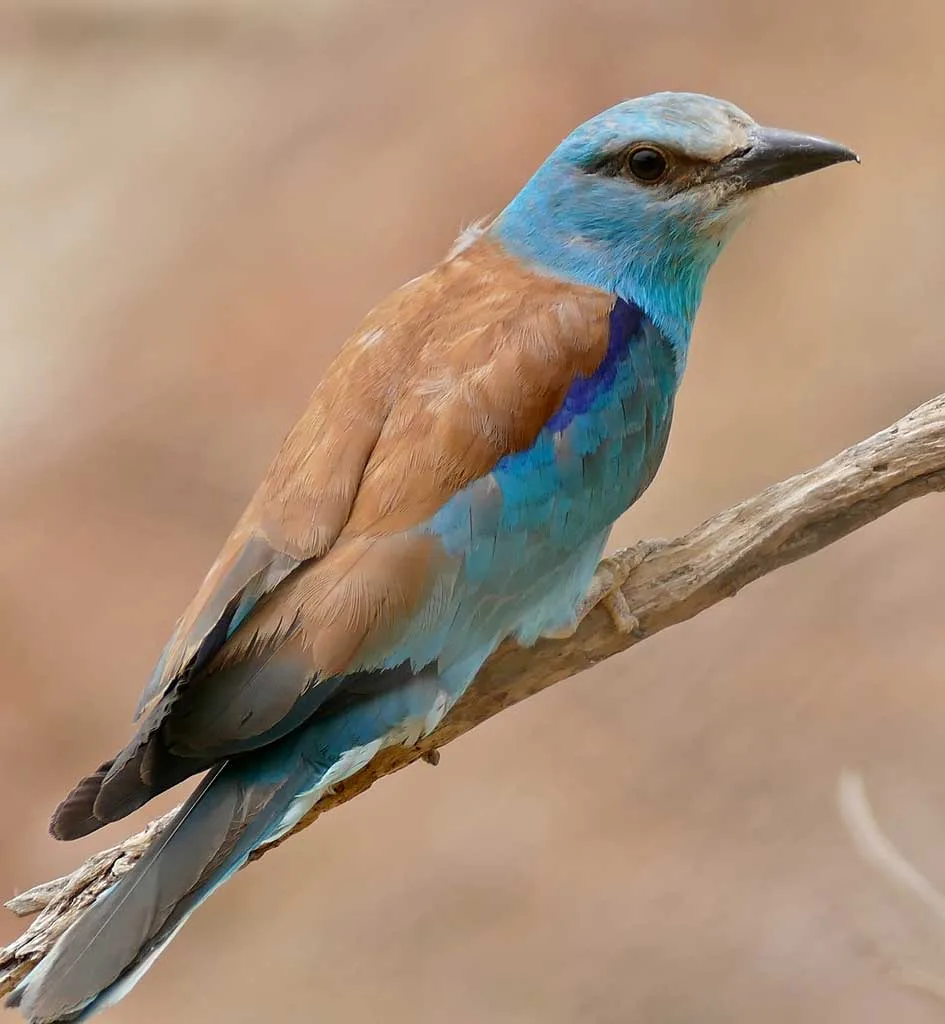
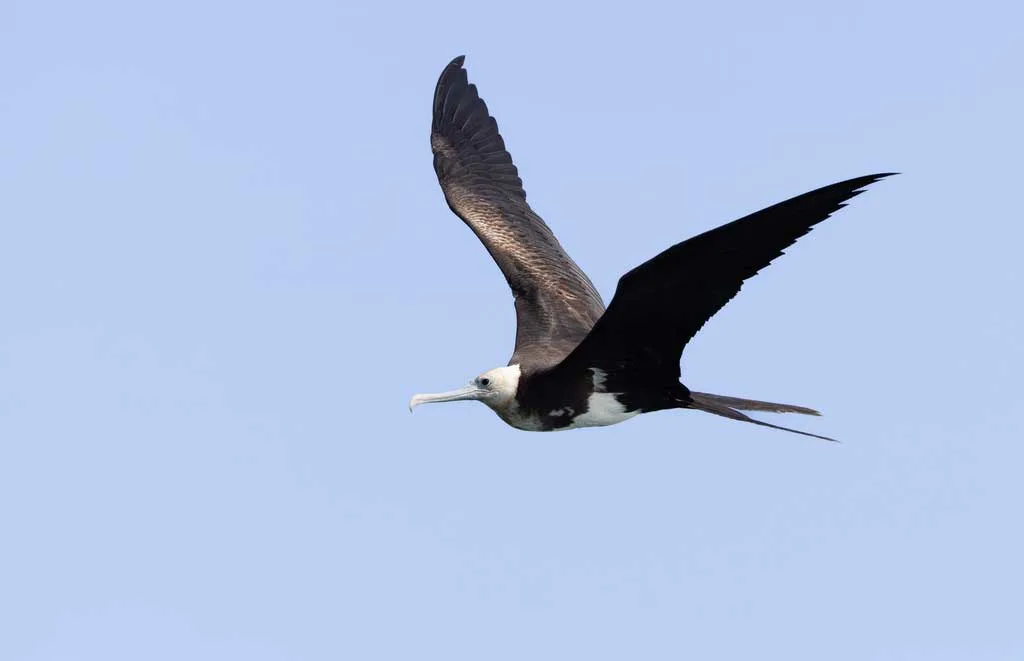
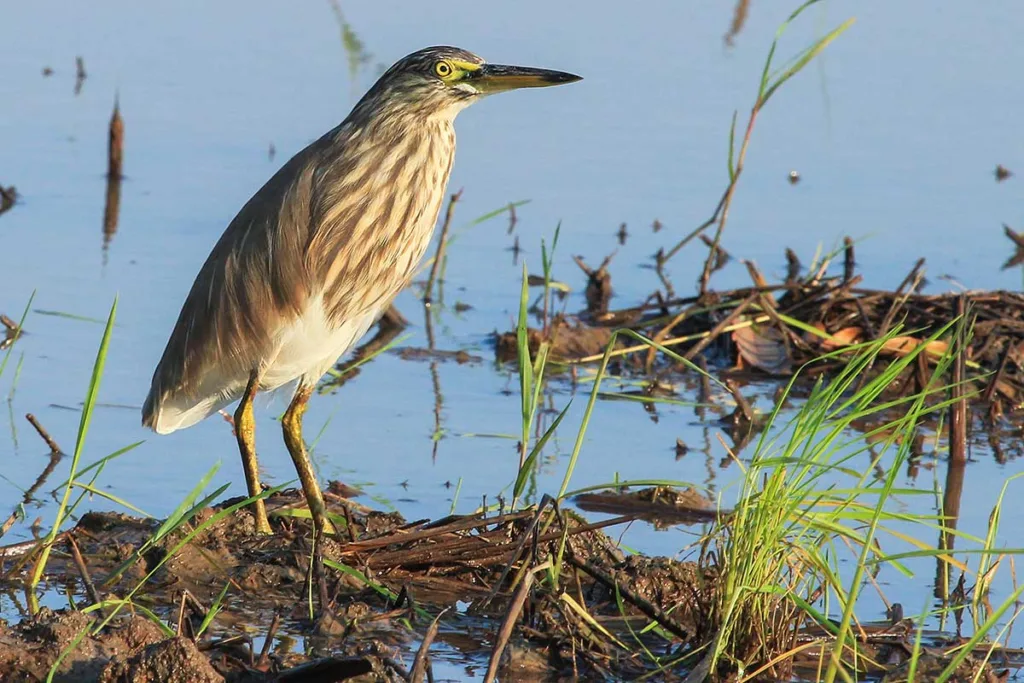
| Category | Common Name | Scientific Name | Status in the South |
|---|---|---|---|
| Residents & Breeding | White Tern | Gygis alba | Iconic year-round resident |
| Common Moorhen | Gallinula chloropus | Freshwater wetland specialist | |
| Common Tailorbird | Orthotomus sutorius | Woodland breeding resident | |
| White-breasted Waterhen | Amaurornis phoenicurus | Common marshland bird | |
| Western Reef Heron | Egretta gularis | Coastal reef hunter | |
| Asian Koel | Eudynamys scolopaceus | Loud, wooded interior resident | |
| Lesser Frigatebird | Fregata ariel | Offshore/Equatorial voyager | |
| Migrants (Sept–April) | Pacific Golden Plover | Pluvialis fulva | Common shoreline migrant |
| Whimbrel | Numenius phaeopus | Regular reef flat visitor | |
| Osprey | Pandion haliaetus | Seasonal raptor over channels | |
| Peregrine Falcon | Falco peregrinus | Wintering aerial predator | |
| Amur Falcon | Falco amurensis | Long-distance trans-oceanic migrant | |
| Oriental Honey-buzzard | Pernis ptilorhynchus | Rare drifting raptor | |
| Oriental Hobby | Falco severus | Insectivorous winter visitor | |
| Rarities & Vagrants | Pied Cuckoo | Clamator jacobinus | Extraordinary weather-driven vagrant |
| Malayan Night Heron | Gorsachius melanolophus | Rare land bird (SE Asian origin) | |
| European Roller | Coracias garrulus | Passage migrant far from path | |
| Black-headed Ibis | Threskiornis melanocephalus | Rare visitor to southern mangroves | |
| Glossy Ibis | Plegadis falcinellus | Uncommon wetland visitor | |
| Indian Pond Heron | Ardeola grayii | Rarely seen in breeding plumage | |
| Common Quail | Coturnix coturnix | Extraordinary terrestrial record |