Fishing Days with My Late Uncle
Around 30 years ago, when I lived in Fuvahmulah, I often went fishing with my late uncle, Abdulla Rafeeq. But on one beautiful sunny day, I didn’t join him at sea. Instead, my friends and I began walking toward the beach, as we usually did whenever my uncle went fishing without me.
Waiting for the Bokkura
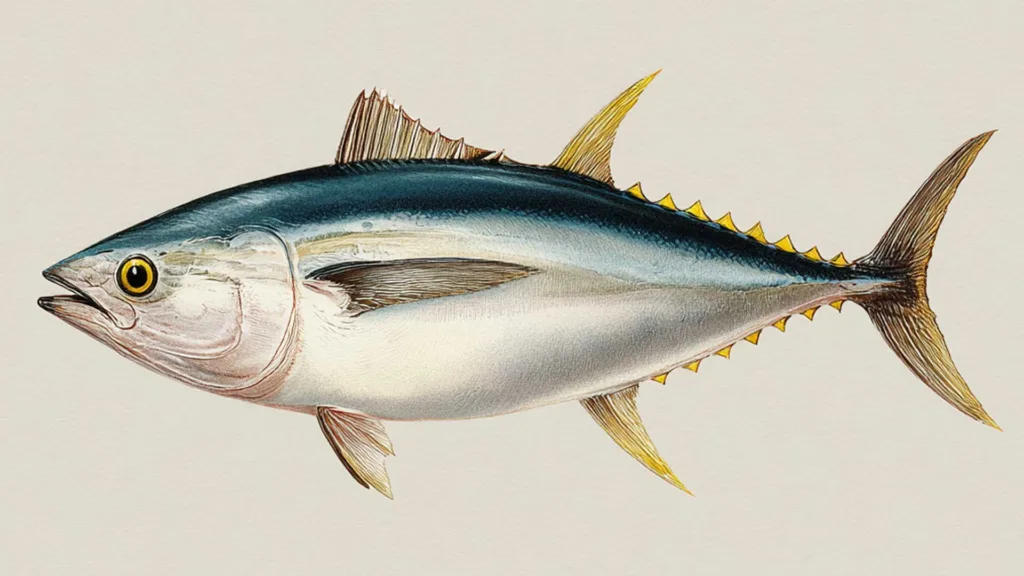
We had gone to watch the bokkura—the smallest fishing boat in the Maldives. Typically, three to four fishermen travel on a bokkura. At around 1:30 p.m., we saw one cruising through Nere’s passageway—a narrow channel created by blowing the reef flat, allowing fishing vessels to reach the island.
While the bokkura was still in the middle of the passage, we noticed a large fish attached to its side. Our curiosity grew.
A Tiger Shark Appears
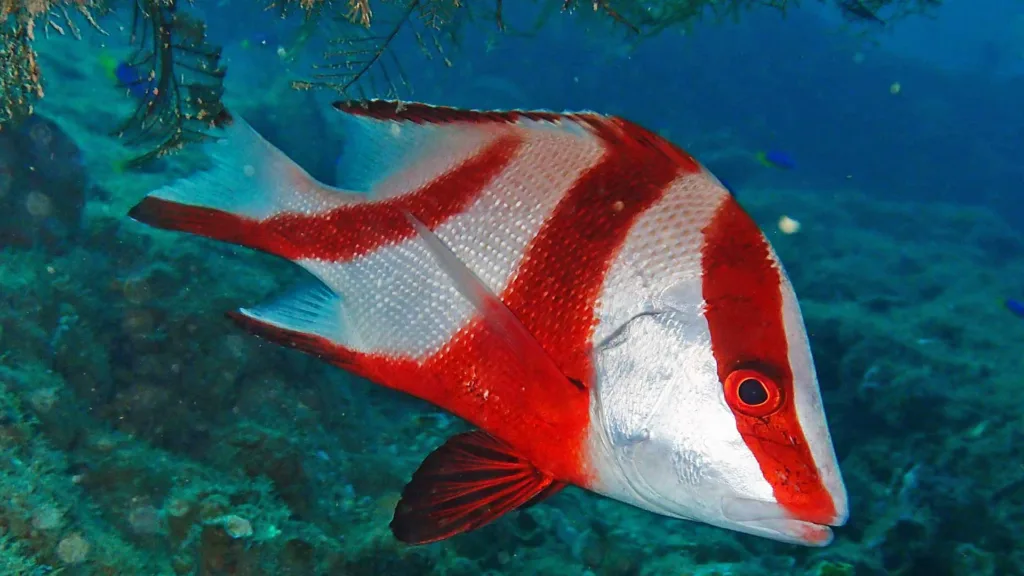
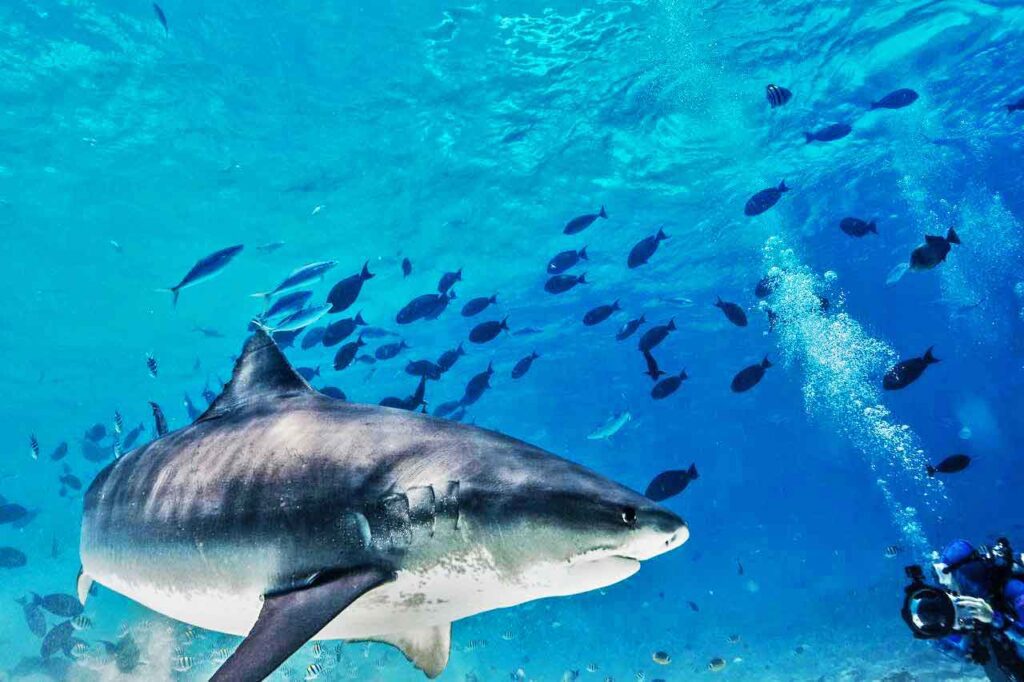
As the bokkura reached the shoreline, we asked what the fish was. “It’s a femunu miyaru (tiger shark),” my uncle explained. The shark was too large to fit inside the vessel, so the fishermen had secured it to the outside. Many people had gathered on the beach, waiting for the tuna catch, but my uncle’s bokkura carried only a few reef fish—and the tiger shark was the main catch of the day.
Twelve Baby Sharks Inside
People crowded around to help unload the shark and pull the bokkura onto the beach. A fisherman then used a large knife to cut open the shark’s belly, revealing twelve baby tiger sharks. Each small shark measured about two and a half feet in length. Seeing these tiny, stunning creatures immediately captured our attention.
Releasing the Baby Sharks
We hadn’t planned to swim, but we were too excited to leave the baby sharks on the sand. About six of us—aged twelve or thirteen—began releasing them into the passageway. The moment they touched the water, they swam as if they had been born in the ocean. Some darted toward the reef, others toward the shoreline, and a few swam toward us, which frightened us briefly—but they didn’t bite.
Our goal was to release all of them into the open sea. So we gently retrieved the sharks from the passageway and carried them to the reef front, releasing all twelve into deeper water. Watching them swim freely remains one of my clearest memories.
Before We Understood Their Importance
This happened exactly 30 years ago on Fuvahmulah, an island known for its iconic tiger shark species. At the time, we had no idea these sharks would one day attract tourists or that they were vital to the ecosystem. The fishermen simply caught the shark so its meat could be eaten.
Shark Fishing Before the Ban
Shark fishing once played an important role in Maldivian life. Shark fins were exported, people ate shark meat, and shark livers—especially from gulper sharks (kashi miyaru)—were used to produce oil for various purposes.
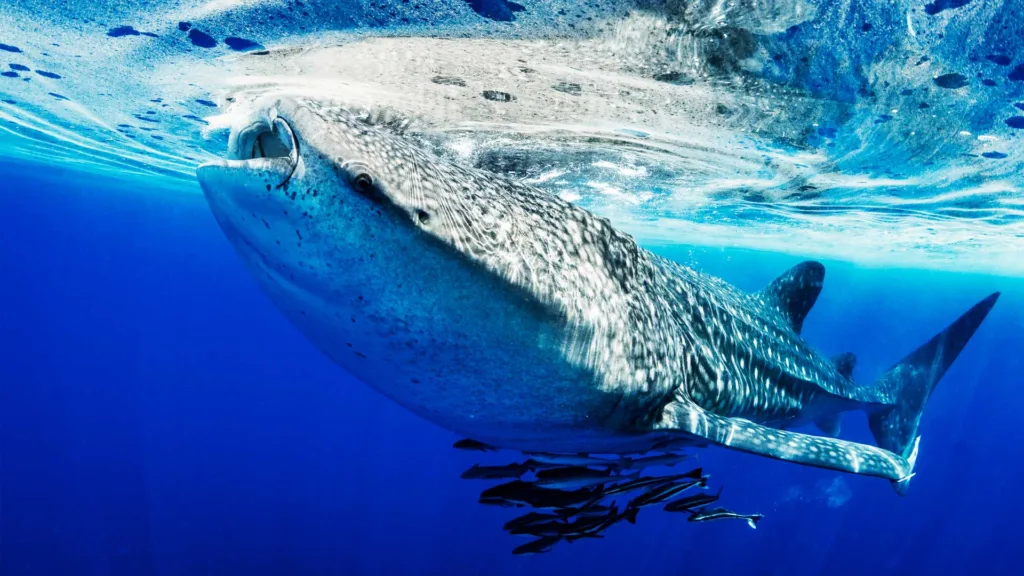
Traditional Maldivian fishing vessels, such as dhoni and bokku, are made of wood, and locally produced oils like shark liver oil were simple to make and highly effective for preserving the wood. Tiger sharks, whale sharks, and bluntnose sixgill sharks were among the species commonly caught for this purpose.
During difficult times when tuna or other popular fish were scarce, eating shark meat became customary.
A Turning Point for the Maldives
In 2010, the Maldives implemented a nationwide shark fishing ban due to the declining shark population. Sharks remain a vital component of the marine ecosystem—and the memories of those years remind us of how much has changed.