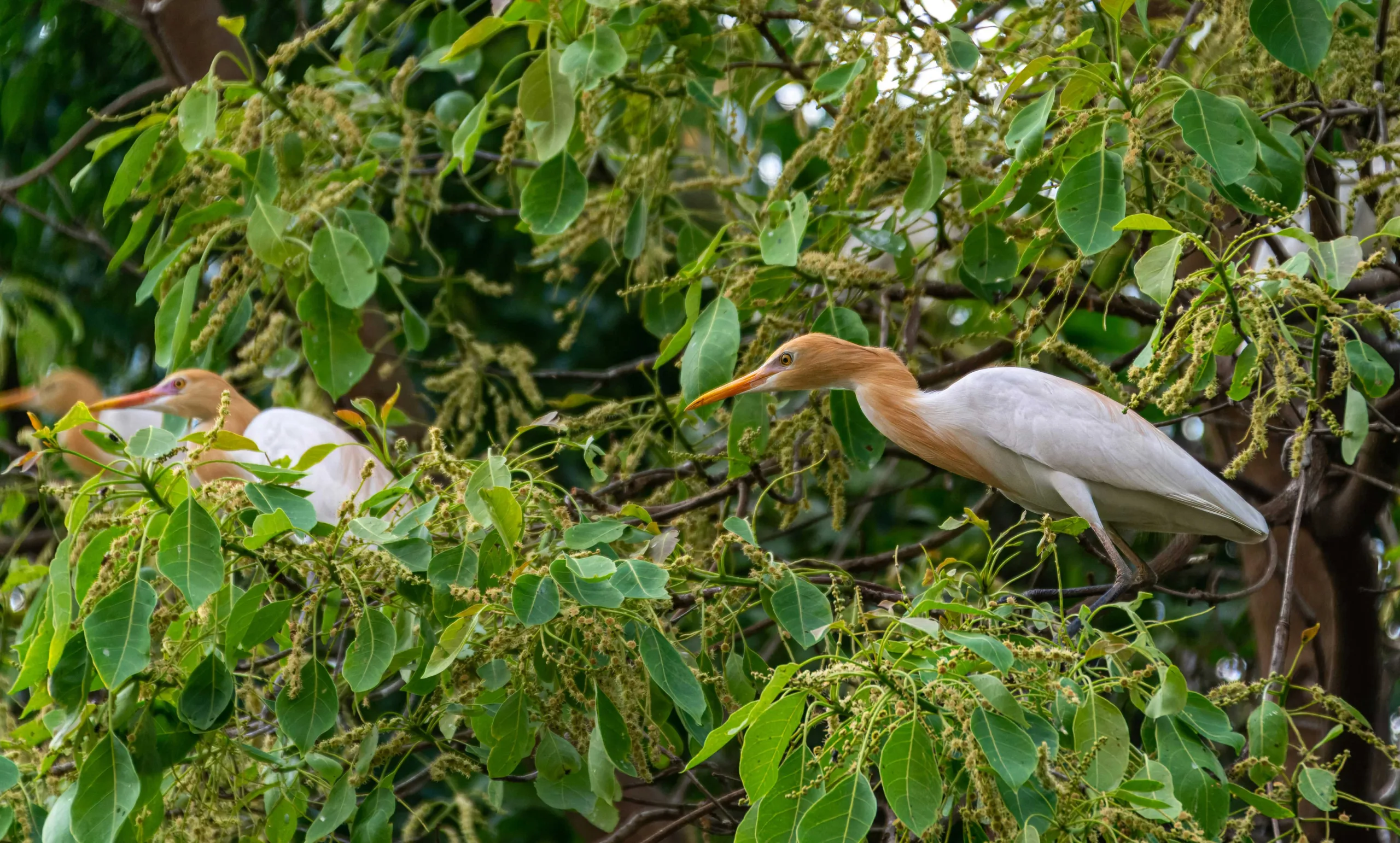
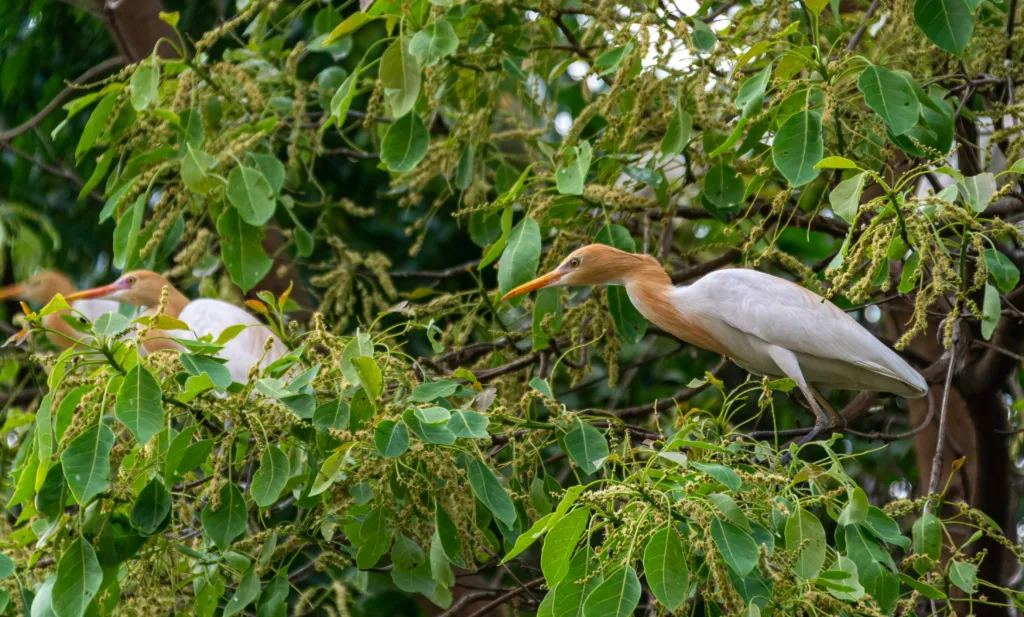
In the remote, turquoise expanse of the Indian Ocean, the Cattle Egret—known to the people of the Maldives as the Iruvaahudhu—occupies a complex niche at the intersection of wild nature and human culture. While it remains a fixture of the archipelago’s horizon, its story is one of adaptation to a rapidly modernizing world where the beauty of the wild was once weighed in currency.
The Rising Value of a “Pet”
For generations, the Maldives maintained a deeply rooted tradition of keeping a wide range of captured wild birds as “pets” and toys. While many were captured by local fishermen or parties traveling to uninhabited islands specifically to net birds, this cultural pastime fueled a significant market for avian life. The Iruvaahudhu, in particular, saw its perceived economic status skyrocket during the late 20th century, with its retail value surging from Rs 150 in 1984 to Rs 900 by 1993.
A Landscape of Change
This surge in trade mirrored a broader trend across the archipelago where a rapidly increasing human population, with an annual growth rate of 3.4%, and the expansion of tourism transformed once-isolated habitats. The Iruvaahudhu lived in an environment where bird-catching was a popular pursuit, involving the trapping and netting of almost any available species, with waders often at the greatest risk. Flightless flocks of various birds were once a common sight in house compounds across most villages, and much of this trade passed through resort islands, which maintained frequent contact with the capital, Malé.
The Scientific Record
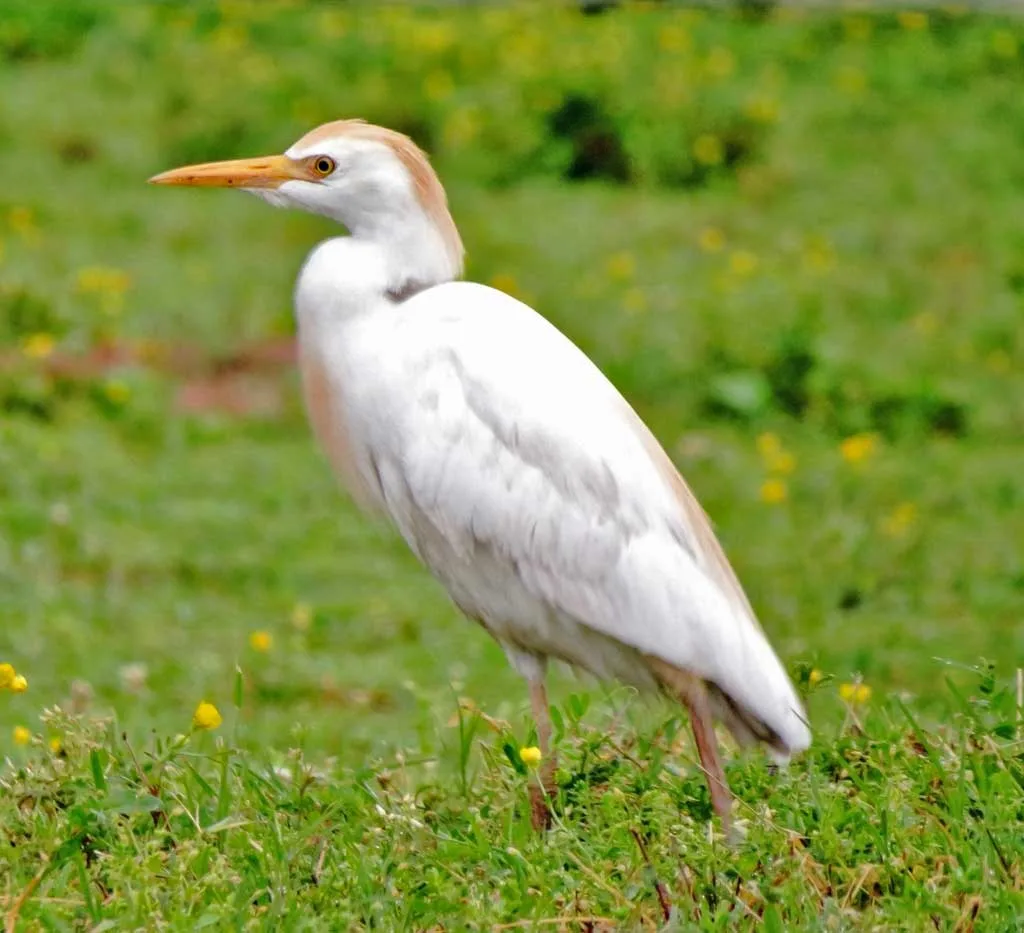
Scientific documentation of the species has advanced through the work of researchers J.S. Ash and Ali Shafeeq, whose checklists utilized a vital source of data: a vast collection of bird photographs formed by Mr. Ahamed Shafeeg. These photographs captured birds brought alive to Malé, providing a “living record” of the species’ presence across the atolls. Field observations confirmed that the Iruvaahudhu is a regular visitor, typically arriving in small flocks between October and November and remaining until March or May, with historical records even suggesting the species may have bred on Seenu Atoll.
From Persecution to Protection
The Iruvaahudhu’s journey has evolved from one of survival against trade to one of legal sanctuary. Today, the catching, hunting, or keeping of the Cattle Egret is strictly banned in the Maldives. The species is now one of over 100 bird species—predominantly migratory birds—granted legal protected status under the Environment Protection and Preservation Act (Law 4/93). This shift aligns with long-standing scientific recommendations that a conservation-oriented policy would not only protect the country’s natural heritage but also enhance the Maldives’ image as a premier destination for ecotourism.
Reference
- Ash, J. S. and Shafeeq, A. (1994). Birds of the Maldive Islands, Indian Ocean. Forktail 10: 3-32.