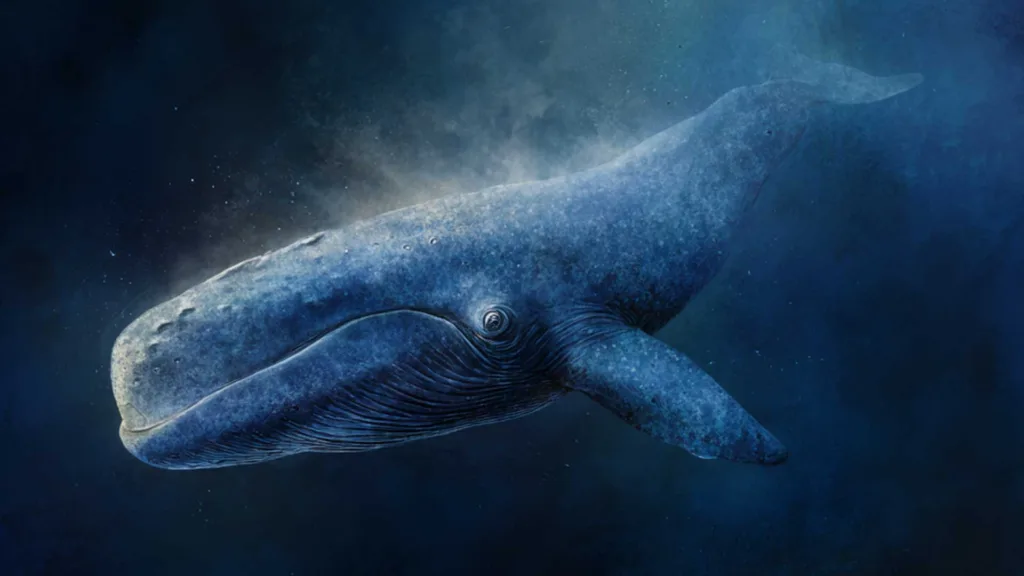
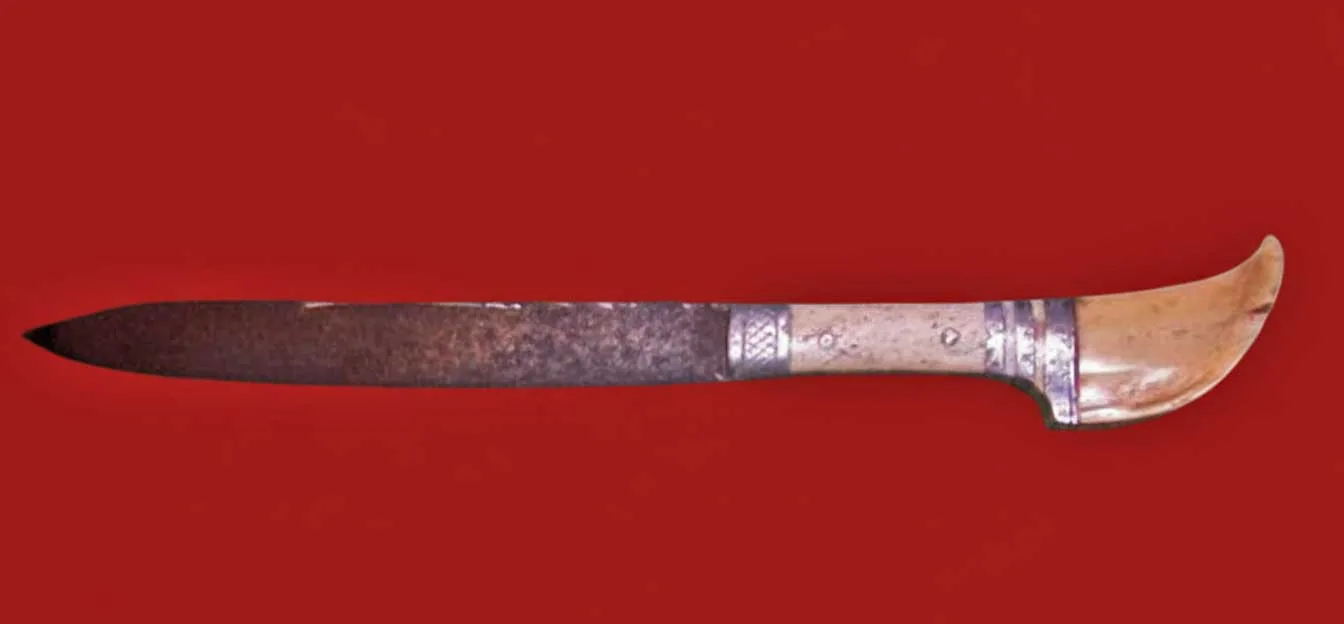
In the Maldives, where land is fragile and the ocean is everywhere, power has never belonged solely to kings or storms. It has also resided in objects—small, rare, and quietly feared. Among them was the Masdhaifiyohi, a ritual knife carved not from metal, but from the tooth of a sperm whale. To the islanders who practiced Fanditha, the indigenous system of esoteric knowledge, this blade was more than a tool. It was a mediator between worlds.
Forged from the ivory of the sea’s largest predator, the Masdhaifiyohi embodied a belief central to Maldivian cosmology: that the ocean grants both danger and protection, and that its gifts, when handled with knowledge, could bend unseen forces.
A Gift from the Sea

Unlike many maritime cultures, Maldivians did not hunt whales. The arrival of a whale tooth—often recovered from a stranded animal or found drifting after death—was understood as providential rather than opportunistic. The sea had chosen to give.
From this rare material, ritual specialists shaped a blade unlike any kitchen knife or weapon. Smooth, pale, and heavy in the hand, the Masdhaifiyohi was reserved for spiritual work alone. Its very substance mattered. Ivory, drawn from a creature that lived and died in the deep, was believed to retain an elemental “weight”—a quality that could influence forces beyond human sight.
Sovereignty Over the Unseen
In the hands of a Fandithaveriya—a practitioner trained in spells, chants, and ritual diagrams—the Masdhaifiyohi functioned as an instrument of command. It was believed to “cut” what could not be seen: illness caused by spirits, lingering presences in homes, or malevolent forces thought to cling to people or places.
Island lore held that steel blades were inert, mere metal. The whale-tooth knife, by contrast, was considered alive. Its purpose was not symbolic but practical within the belief system: it could wound or repel jinn and local spirits known as dhevi, entities thought to inhabit reefs, trees, burial grounds, and abandoned dwellings.
The blade was also used to carve protective symbols into wood—on doorframes, fishing boats, or newly built homes—marking spaces as claimed and defended.
Cutting the Wind

Perhaps the most dramatic role of the Masdhaifiyohi emerged during storms. In the low-lying atolls, where no hill breaks the horizon and no shelter stands far from the sea, tropical weather has always inspired fear and reverence.
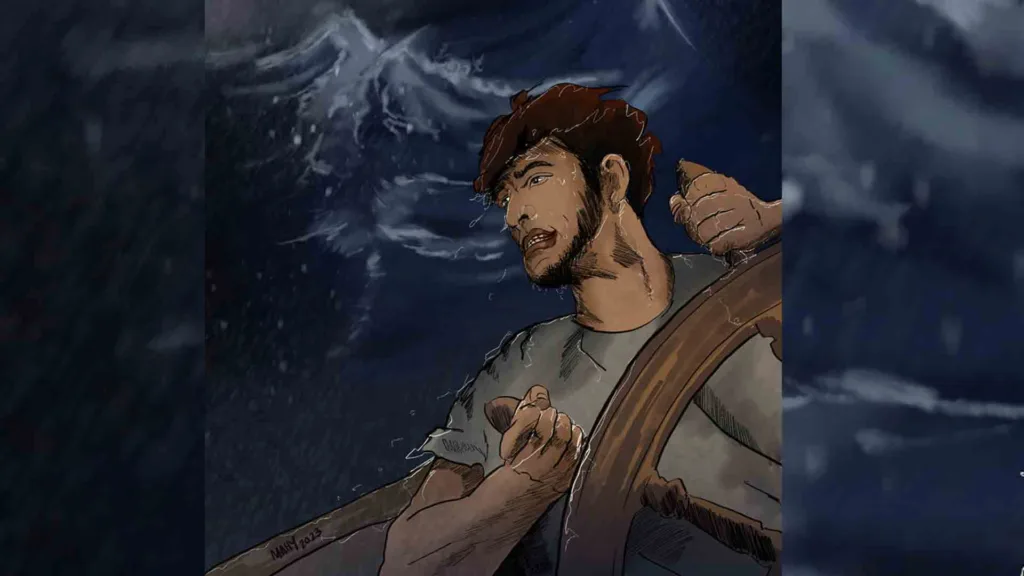
During violent gales, oral traditions describe ritual specialists standing at the edge of the shore or at the prow of a vessel, facing the darkened horizon. As chants known as raivaru were recited, the ivory blade was thrust into the air, slicing toward the oncoming clouds. This act—known as “cutting the wind”—was believed to divide storm fronts, weaken waterspouts, or divert destructive forces away from inhabited islands.
Whether or not storms obeyed, the ritual served another purpose: it asserted human presence in a landscape where nature otherwise seemed absolute.
A Vanishing Object
With the Maldives’ gradual shift toward religious orthodoxy and modern governance, many practices associated with Fanditha faded into secrecy. Masdhaifiyohi blades were buried with their owners, hidden in family chests, or quietly discarded. Few survive today, and fewer still are displayed.
Yet the memory of the ivory knife endures in island narratives—spoken rather than written, recalled rather than exhibited. It stands as a symbol of a time when survival depended not only on boats and nets, but on negotiation with the unseen: when a tooth from the ocean’s depths could become a key, and a blade could be drawn not for blood, but for balance.
This article is based on Maldivian oral traditions and ethnographic accounts recorded during the 20th century, particularly those documented by Xavier Romero-Frias in The Maldive Islanders.