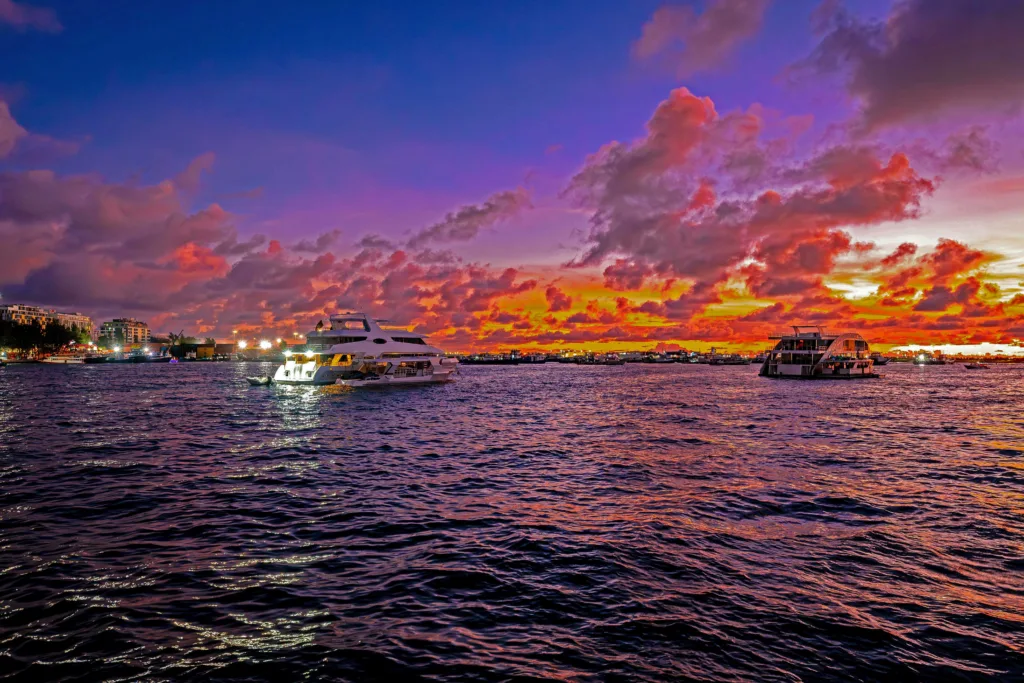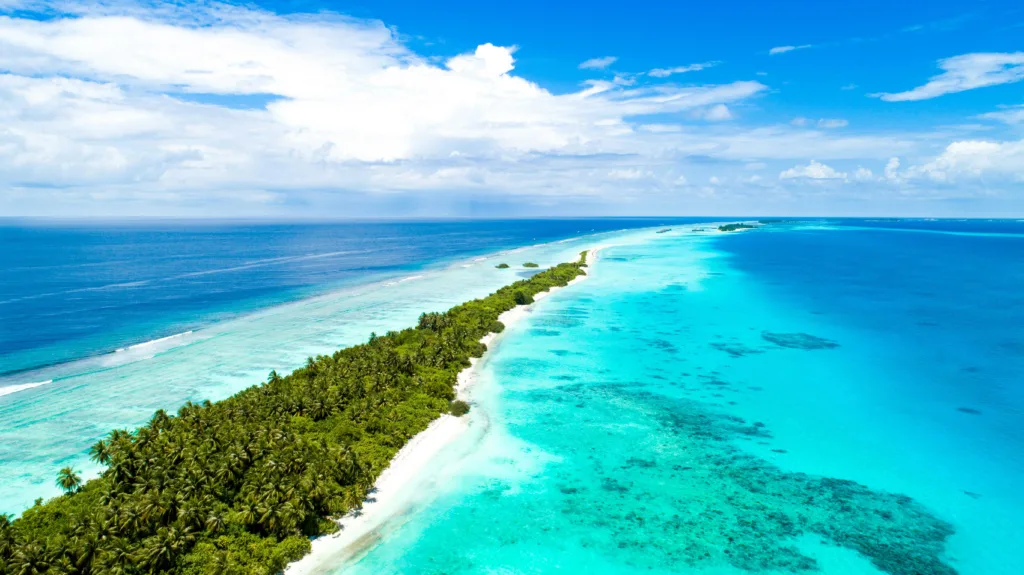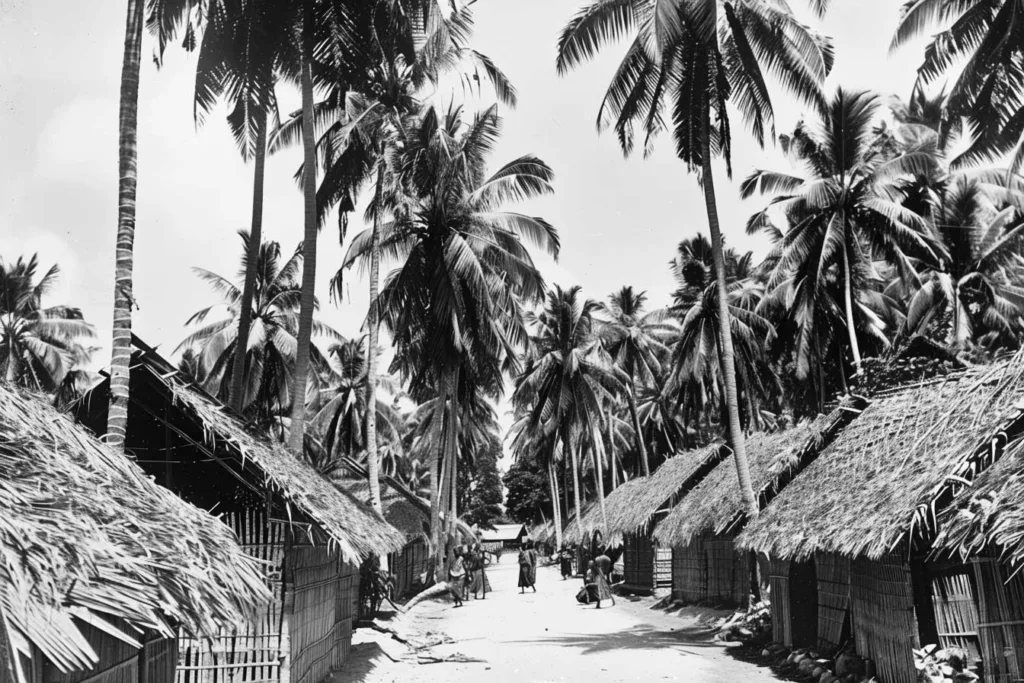
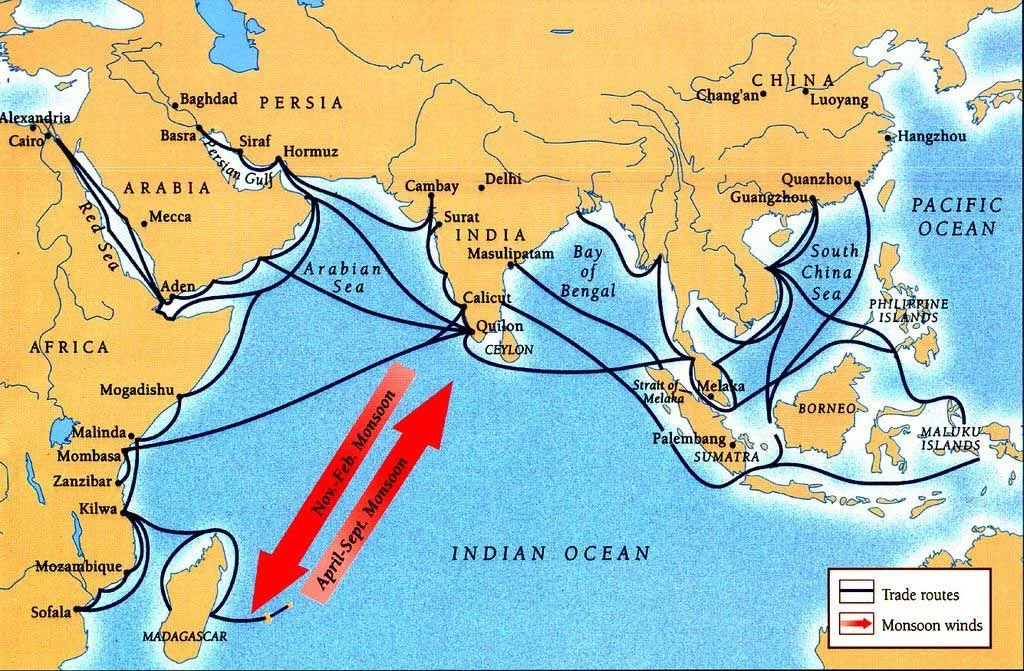
For centuries, the Maldives have been portrayed as remote—tiny islands scattered across an endless sea. History tells a different story. Long before European ships entered the Indian Ocean, the Maldives were already woven into a dense network of maritime trade routes linking South Asia and the Arab world. Far from isolated, the atolls functioned as stepping stones along one of the busiest sea highways on earth.
Historical records describe direct and sustained trade with the Malabar Coast and Calcutta, anchoring the Maldives firmly within the commercial orbit of the Indian subcontinent. These were not chance encounters but enduring relationships shaped by the rhythm of the monsoon winds. As the seasons shifted, Maldivian vessels sailed north, carrying local products and returning with goods, plants, and ideas that quietly transformed island life.
Connections to the west were equally deep-rooted. In the southern atolls—particularly Addu—oral traditions recall Arabian trade stretching back generations. Arab sailors, merchants, and scholars navigated these waters with precision, guided by wind patterns refined over centuries. Their visits were not fleeting. They left lasting cultural imprints, visible in language, religious traditions, material culture, and trade practices that became part of everyday Maldivian life.
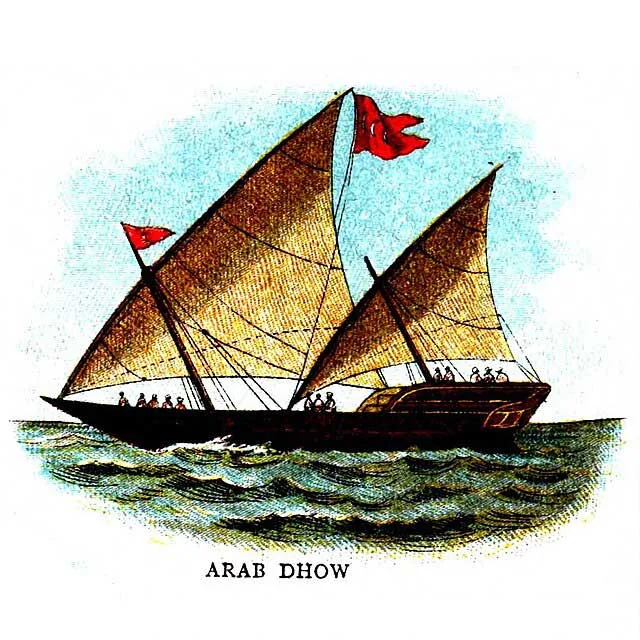
Geography made this role possible. Positioned between major trading regions yet sheltered by coral atolls, the Maldives offered something invaluable to long-distance sailors: safe anchorages, fresh water, and respite from demanding seas. Calm lagoons served as natural harbors, while reefs provided reliable navigation markers. For traders crossing thousands of kilometers of open ocean, the Maldives were not a detour—they were an essential link.
Trade carried more than cargo. Plants introduced from India and Arabia took root, reshaping landscapes and diets. Cultural influences arrived alongside goods, blending with local traditions rather than replacing them. Over time, the Maldives became a meeting place of Indian Ocean worlds—South Asian, Arab, and islander—connected by sail, wind, and shared knowledge of the sea.
Seen through this lens, the Maldives were never on the margins of history. They were central to it. Their story unfolded not only on land, but across the ocean routes that carried commerce, culture, and connection—long before European maps brought the islands to global attention.