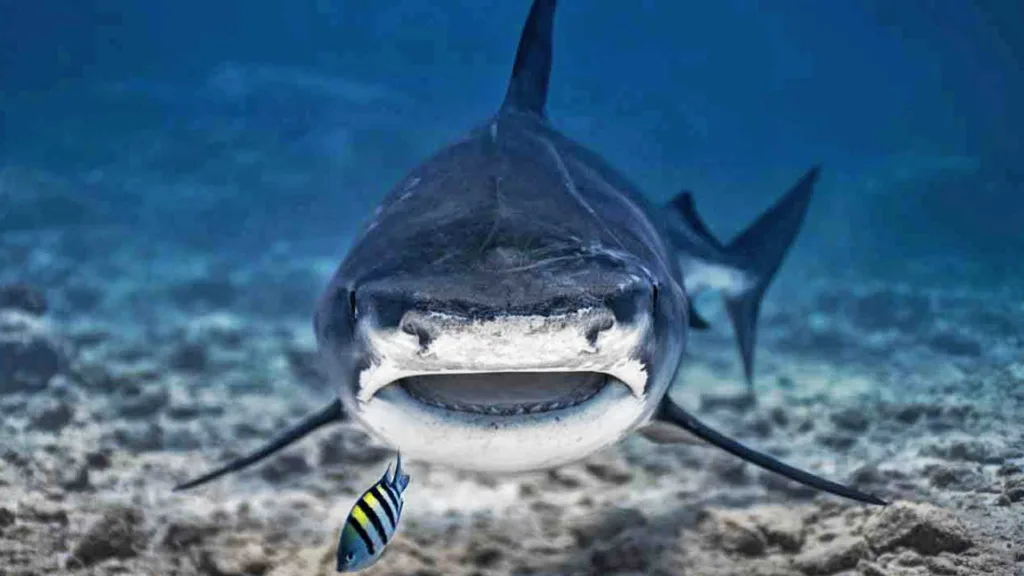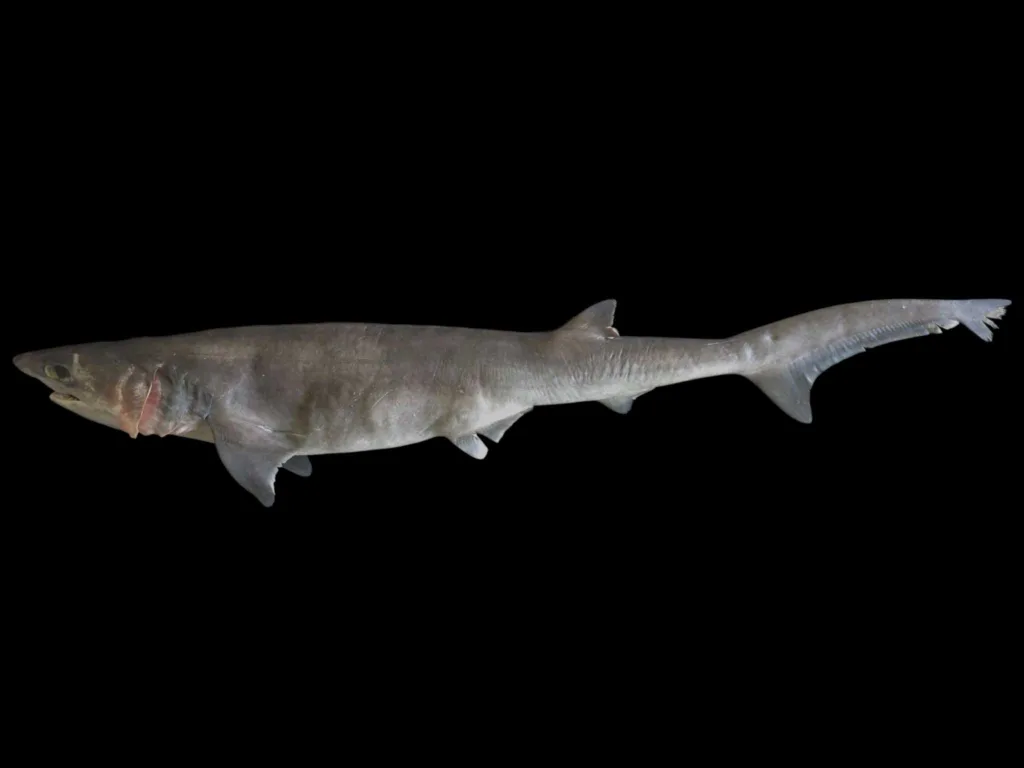

Tiger sharks are among the ocean’s most formidable predators. Armed with powerful jaws and razor-sharp, serrated teeth, they are capable of capturing and crushing an astonishing range of prey. As tiger sharks grow larger, both the size and diversity of their prey increase, revealing how these apex predators adapt their feeding strategies over time.
Research shows that as tiger sharks increase in length, the presence of teleost fishes—ray-finned fish—and cephalopods such as squid, octopus, and cuttlefish decreases in their stomach contents (Owe’, Wetherbee, Crow, & Tester, 1996). At the same time, larger prey items become more common, including elasmobranchs such as sharks and rays, sea turtles, land mammals, crustaceans, and even indigestible objects. This shift highlights the tiger shark’s reputation as an opportunistic feeder, capable of exploiting whatever prey is available.
Embedding of Instagram page permission granted by lonubreak
View this post on Instagram
Growing Bigger, Eating Differently
Scientists around the world have documented changes in tiger shark diets as the animals grow. Studies conducted in Hawaii and other regions show that these dietary shifts occur across populations, suggesting that they are a fundamental part of tiger shark biology rather than a regional anomaly.
Young tiger sharks typically feed near the seafloor and are primarily nocturnal, hunting bottom-dwelling prey under the cover of darkness. As they mature, their behavior changes. Larger tiger sharks continue to feed along the bottom at night but also hunt near the surface during the day, expanding their feeding opportunities.
From Lagoons to the Open Ocean
These changes reflect what scientists call ontogenetic dietary shifts (OSDs)—changes in diet that occur as an animal grows. Similar shifts have been documented in other shark species, including soupfin, lemon, mako, and white sharks.
In New Caledonia, researchers found that tiger sharks smaller than 200 centimeters fed heavily on reef fish in shallow lagoons, while larger individuals consumed turtles, birds, crabs, and squid (Rancurel & Intes, 1982). In Australian waters, tiger sharks under 150 centimeters primarily consumed sea snakes and teleosts, whereas larger sharks preyed on turtles, birds, and other elasmobranchs (Simpfendorfer, 1992).
As tiger sharks grow, they expand into deeper and more pelagic habitats. This shift allows them to capture fast-swimming pelagic prey such as scombrids, coryphaenids, and billfishes. Deep-water crabs and pelagic squids found in the stomachs of larger sharks further support the idea that mature tiger sharks forage offshore more frequently.
A Broader Menu, Not a Replaced One
Despite their increasing size and hunting ability, larger tiger sharks do not abandon smaller prey. Teleosts, crustaceans, land mammals, and even indigestible items continue to appear in their diets. Rather than shifting exclusively to larger prey, tiger sharks broaden their menu, reinforcing their status as ecological generalists.
This increase in prey diversity likely reflects improved swimming efficiency, greater hunting skill, and access to a wider range of habitats as the sharks mature.
What Diet Shifts May Mean for Humans
Ontogenetic dietary shifts may also help explain patterns of shark–human interactions. In white sharks, researchers have suggested that shifts from fish to marine mammals as prey may increase the likelihood of encounters with humans once sharks reach a certain size.
Similarly, a study conducted by the Hawaii Institute of Marine Biology found that prey resembling humans were absent from the stomachs of tiger sharks smaller than 230 centimeters in total length. This suggests that tiger sharks larger than 230 centimeters may pose a greater potential risk to humans (Owe’, Wetherbee, Crow, & Tester, 1996).
Together, these findings paint a portrait of a predator that becomes increasingly versatile with age—one whose growing size, skill, and expanding habitat range allow it to dominate a broad swath of the marine food web.