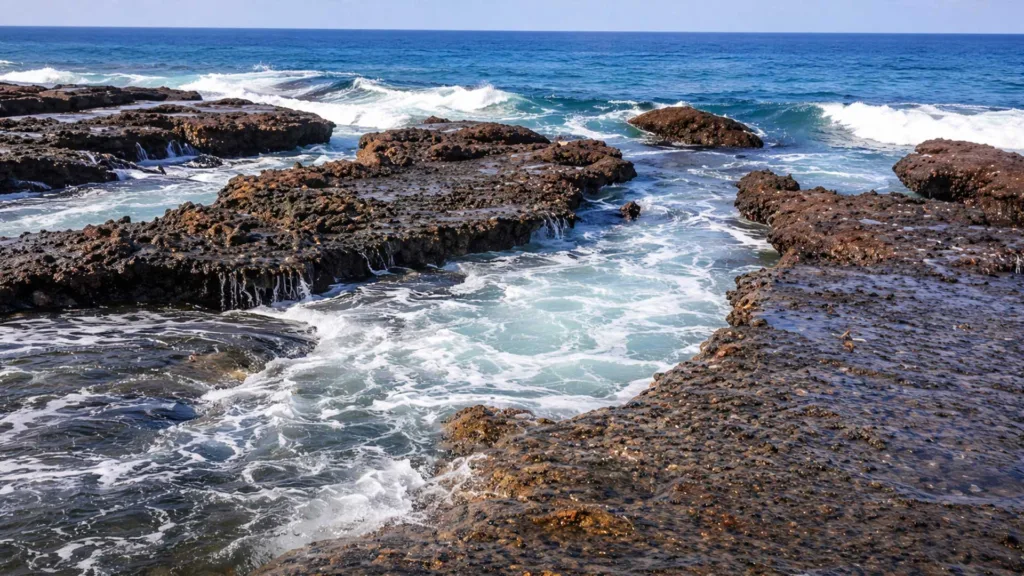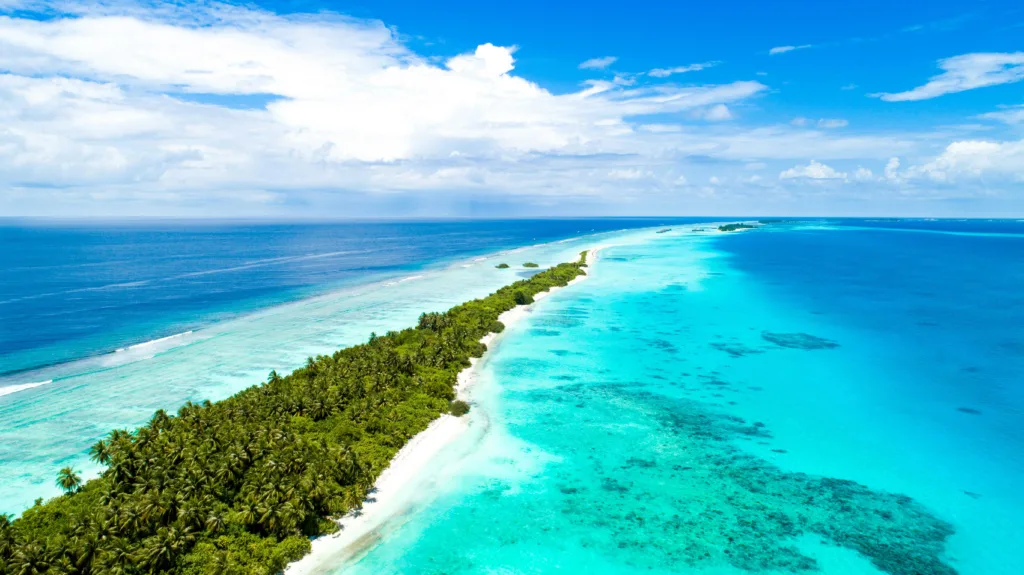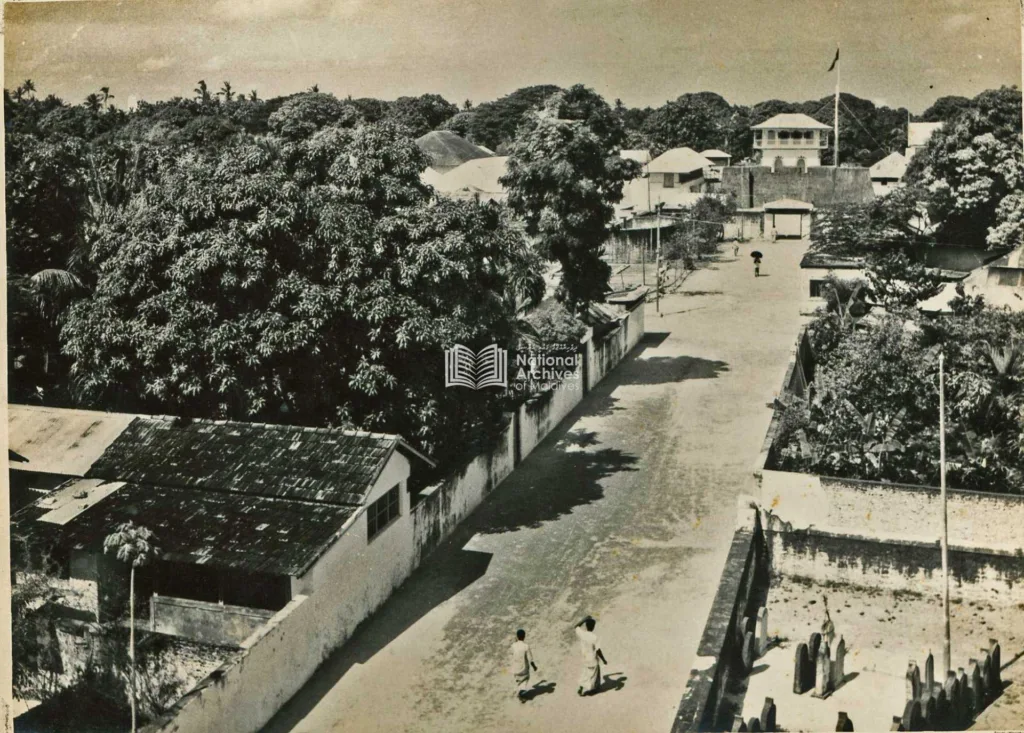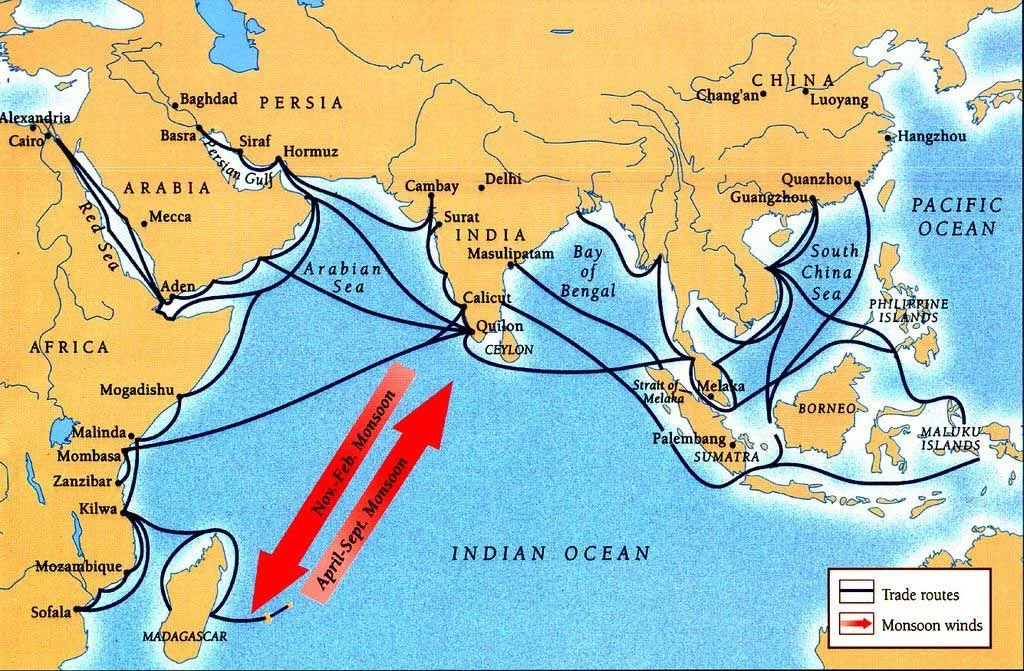
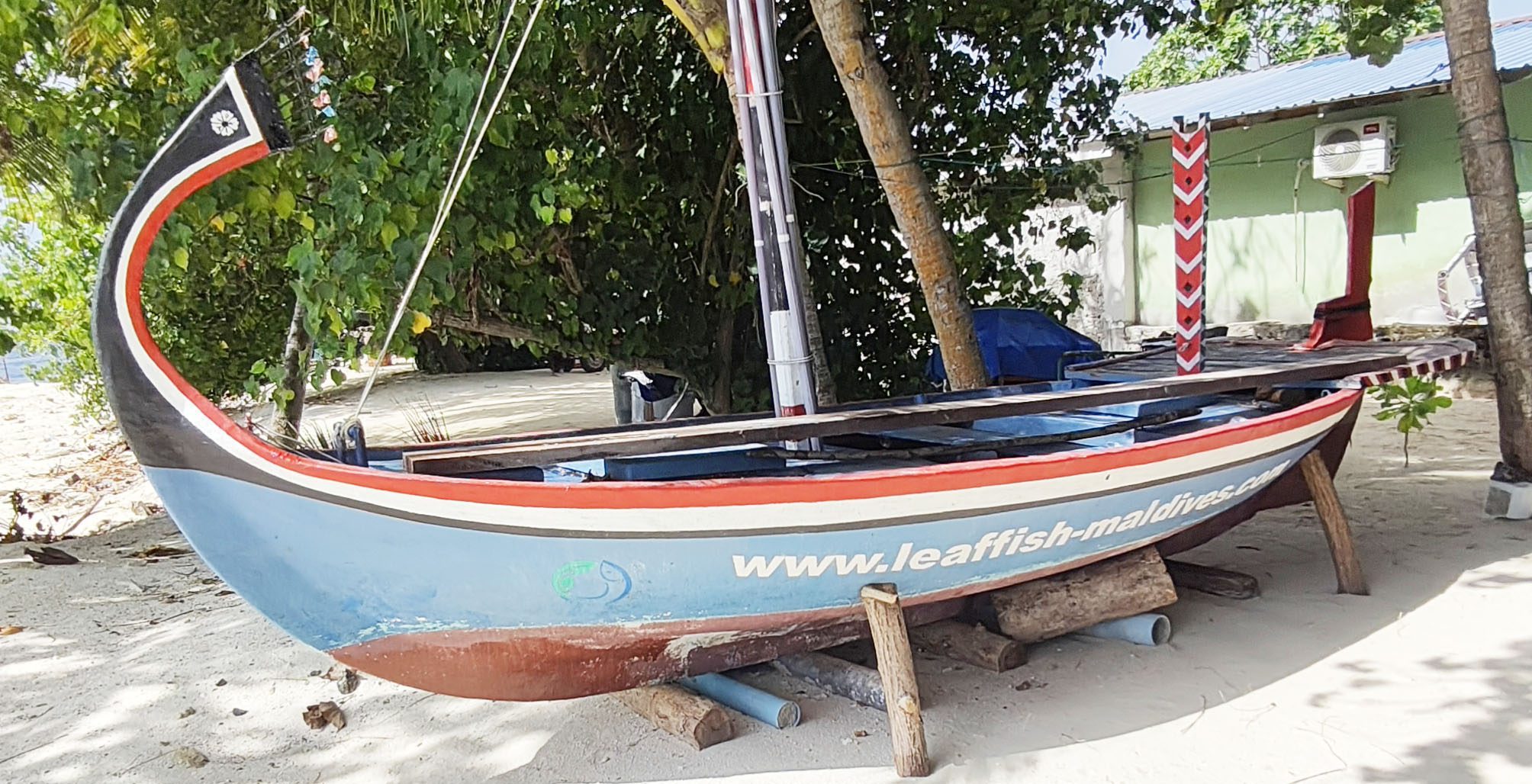
The ocean surrounding the Maldives is vast and life-giving—a boundless blue world alive with thousands of species and intricate coral ecosystems. For centuries, Maldivians have relied on this sea not only for survival but for identity. Fishing, the most enduring activity across these waters and lagoons, reflects both necessity and creativity. Fish has long been a vital source of food, shaping daily life, traditions, and skills passed carefully from one generation to the next.
The Dhoni: Heart of Maldivian Fishing
At the center of this intimate relationship with the ocean is the dhoni, the traditional Maldivian fishing vessel. Crafted from buoyant woods once readily available on the islands, the dhoni was designed to move in harmony with water and wind. As it glides effortlessly across crystal-clear seas, it is framed by vibrant coral reefs and swirling schools of marine life. Each curve of the hull and every measured turn reveals a quiet mastery of maritime design. Fishing aboard a dhoni merges the thrill of the catch with the calm of open water, creating a rare balance of excitement and serenity.
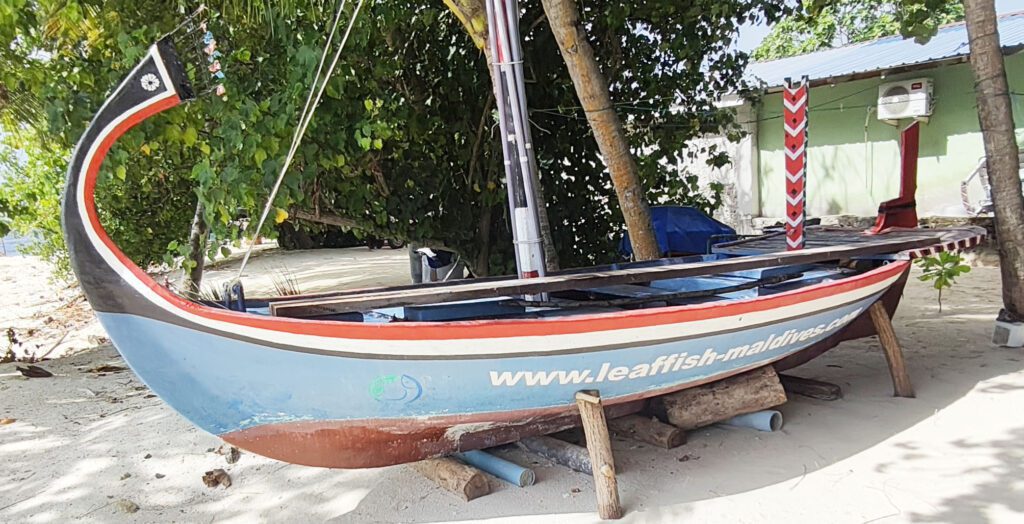
(The artist, Mauruf Jameel, has granted permission to connect his Instagram posts to this website)
Built by Experience, Driven by Wind
Before engines transformed seafaring, dhonis relied entirely on sails and oars, harnessing wind and human strength alike. Though modern fishing vessels are now motorized, the dhoni remains the most essential “machine” in traditional fishing—an elegant tool shaped by experience rather than mechanical complexity. Its enduring form speaks to centuries of refinement guided by observation, intuition, and the rhythms of the sea.
Anatomy of a Fishing Vessel
A traditional dhoni is typically divided into thirteen structural components, each serving a specific purpose:
- Bow platform (fenfilaa)
- Kolhu vai
- Thalukolhu vai
- Fangandu vai
- Kuda maa vai
- Maa vai
- Kupai dhai (dhipai)
- Heyvai
- Bodu vai
- Kuda vai
- Dhai malhu
- Mathi malhu
- Filaagandu dhai
These names vary across the atolls, reflecting regional traditions. The bow of the vessel is known as the dhirunbaa kolhu, while the stern is called the kolhufaskolhu. Within the hull lies a bait compartment designed to hold live bait fish, constantly replenished with fresh seawater through an opening at the base of the boat.
Tools of the Trade
When a fish is hauled aboard, it is struck against the maskandhu. Steering is controlled by the hungaanu, the dhoni’s tiller. To imitate the movement of schooling fish and attract a catch, fishermen rhythmically splash seawater using the fenfulhafi, made from the spathe of the coconut palm—a task traditionally performed by two crew members.
Bait is thrown using an envashi, while fishing is carried out with poles of three lengths: kuru dhoshi (short), medhehi dhoshi (medium), and dhigu dhoshi (long). In earlier times, these poles were made from bamboo, though in some islands the sea hibiscus (dhigai) was preferred. Fishing lines were crafted from the bark of the milkweed, or ruva tree, twisted into strands called muiri and combined to form the final line, known as miyavaali. Anchor ropes were made from the hardy wood of shrubby coral (Pemphis, locally called kuredhi) and secured to fittings known as hassandhari and hussaindhari.
Fishing as Craft and Culture
Together, these elements tell a story far richer than technique alone. They reveal a way of life shaped by patience, ingenuity, and deep respect for the sea. In the dhoni, Maldivians did not simply build a boat—they shaped a living tradition, one that continues to drift steadily across the Indian Ocean, carrying with it the knowledge and spirit of an island people.