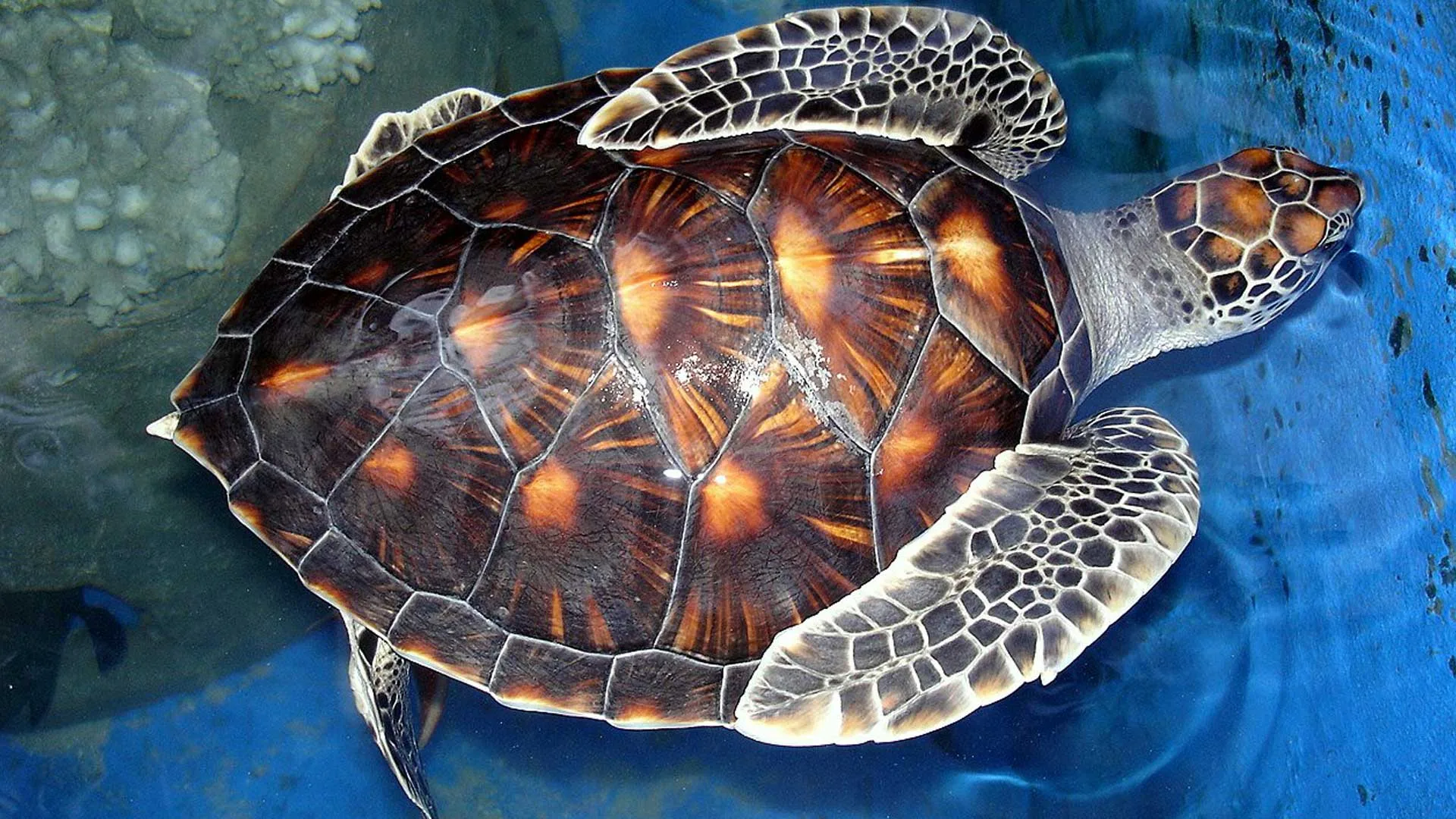
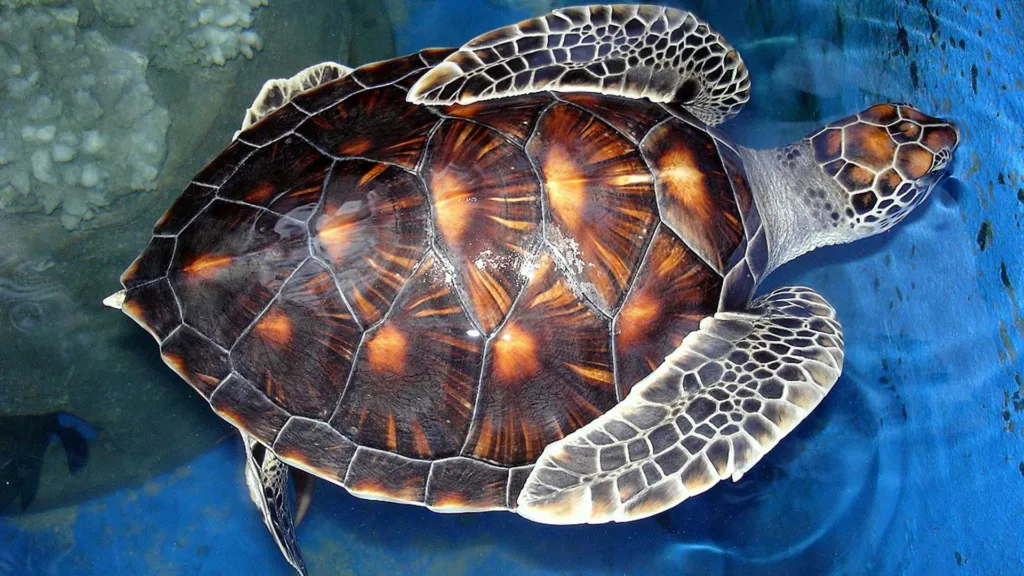
Across the vast, crystalline expanse of the Maldivian atolls, a timeless ritual unfolds. From the sun-bleached sandbanks of remote finolhu to the nutrient-rich currents of deep-water channels, the republic’s coral wilderness serves as a vital sanctuary for two of the ocean’s most ancient travelers: the Green and Hawksbill turtles.
1. The Resident Pastures of Maagandu Thila
In Lhaviyani Atoll, the submerged reef pinnacle of Maagandu Thila (Thila Anemone) is more than a mere foraging stop. It is a critical resident habitat, specifically for the Green Turtle (Chelonia mydas). These turtles are observed in constant association with the thila’s swaying, anemone-rich environment, relying on the site’s unique coral architecture for long-term protection and food.
2. The Cleaning Stations of Rasdhoo Madivaru
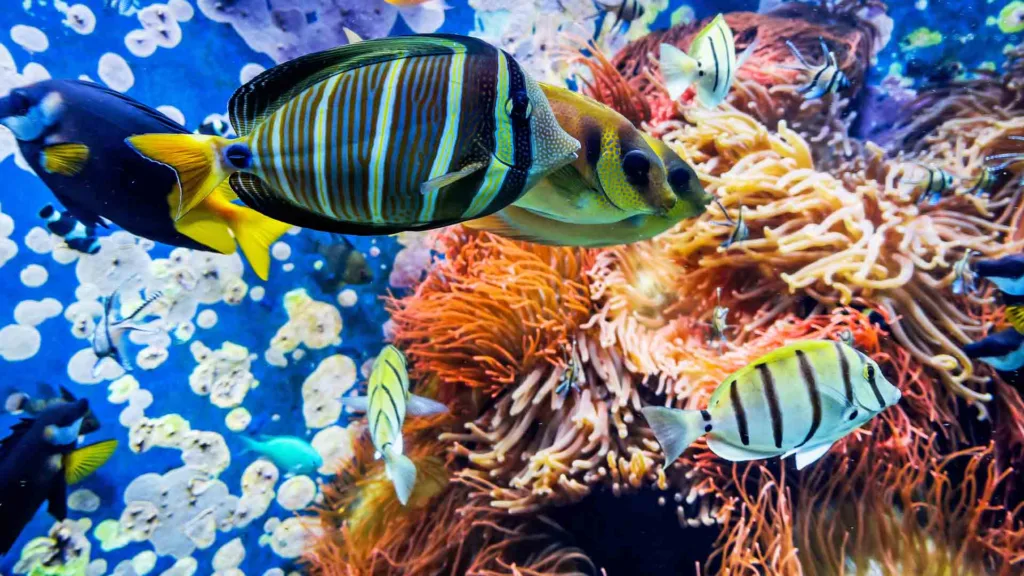
Located in Alifu Alifu (North Ari), Rasdhoo Madivaru serves a dual purpose in the life of a sea turtle. While it is a primary foraging ground, it is also a vital “cleaning station”. Turtles are part of the site’s prestigious megafauna assemblage, frequently visiting the reef-edge feeding grounds to have parasites removed by specialized reef fish.
3. Hawksbill Strongholds: Than’burudhoo & Kaafu Channels
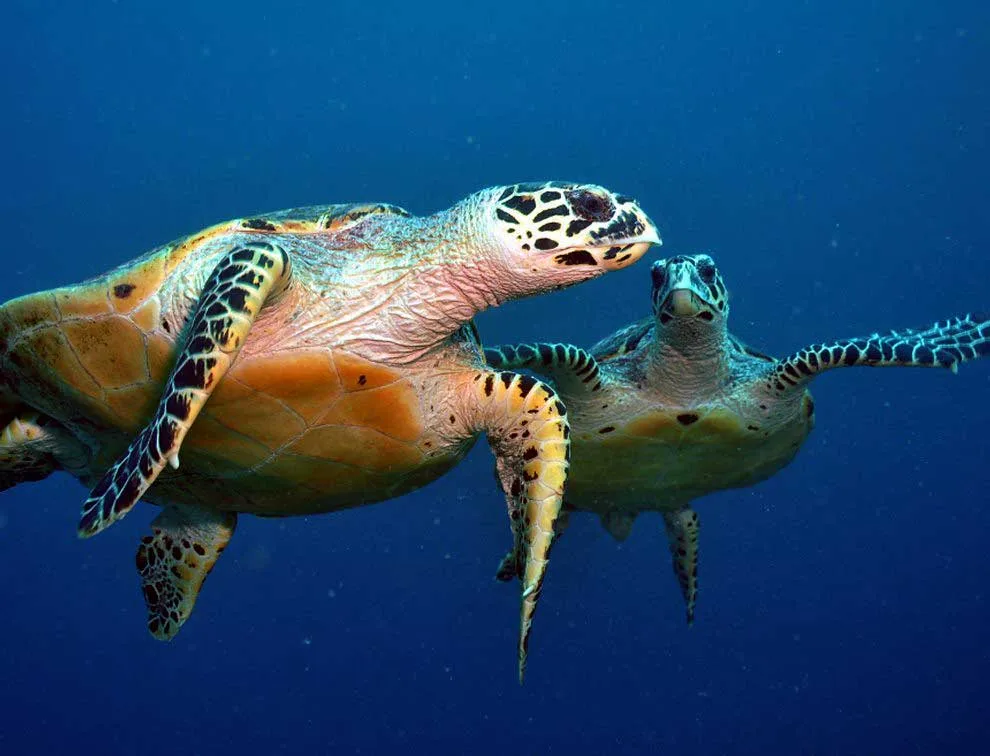
The deep channels, or kandu, of Kaafu Atoll act as essential corridors of life.
- Than’burudhoo & Giri-fushi: This specific area is a high-priority sanctuary known for its dense population of Hawksbill turtles foraging along the reef edges.
- Makunudhoo (Olhi Kandu): The sandy bottom and “reef fingers” of this channel provide a unique landscape that facilitates movement and feeding for turtles navigating between atolls.
4. Lagoon Productivity in the Dhigurah Area
In Alifu Dhaalu (South Ari), the Dhigurah area highlights the importance of lagoon connectivity. These waters offer a reliable refuge where turtles graze undisturbed, supported by the high biological productivity of the lagoon and reef-edge feeding zones.
5. The Ancestral Nesting Grounds of Laamu
While many islands and sandbanks (finolhu) host nesting turtles, the handbook identifies the beaches of Gaadhoo and Olhuveli in Laamu Atoll as some of the most significant nesting sites in the nation. These pristine shores are essential for the survival of:
- Hawksbill Turtle (Eretmochelys imbricata): Highly associated with the coral reef ecosystems.
- Green Turtle (Chelonia mydas): Relying on seagrass-rich lagoons and sandy nesting beaches.
Sanctuary Directory
Turtle Sanctuary Directory
| Site | Atoll | Primary Function | Species Highlight |
|---|---|---|---|
| Maagandu Thila | Lhaviyani | Resident Habitat | Green Turtle |
| Than’burudhoo Area | Kaafu | Foraging Ground | Hawksbill Turtle |
| Rasdhoo Madivaru | North Ari | Foraging & Cleaning | Megafauna |
| Dhigurah Area | South Ari | Lagoon Refuge | High Productivity |
| Gaadhoo & Olhuveli | Laamu | Major Nesting | Green & Hawksbill |
Source: Protected Areas of the Maldives, Ministry of Climate Change, Environment and Energy