The Sentinels of the Spirit World
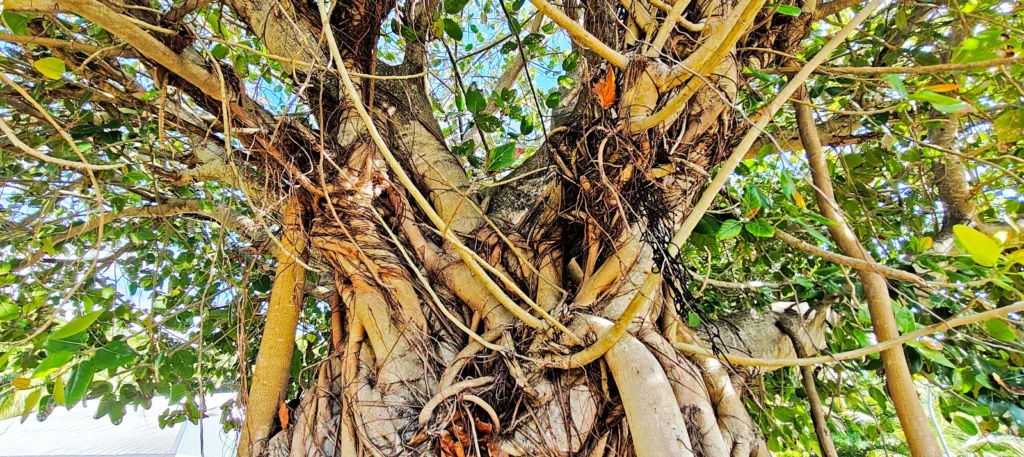
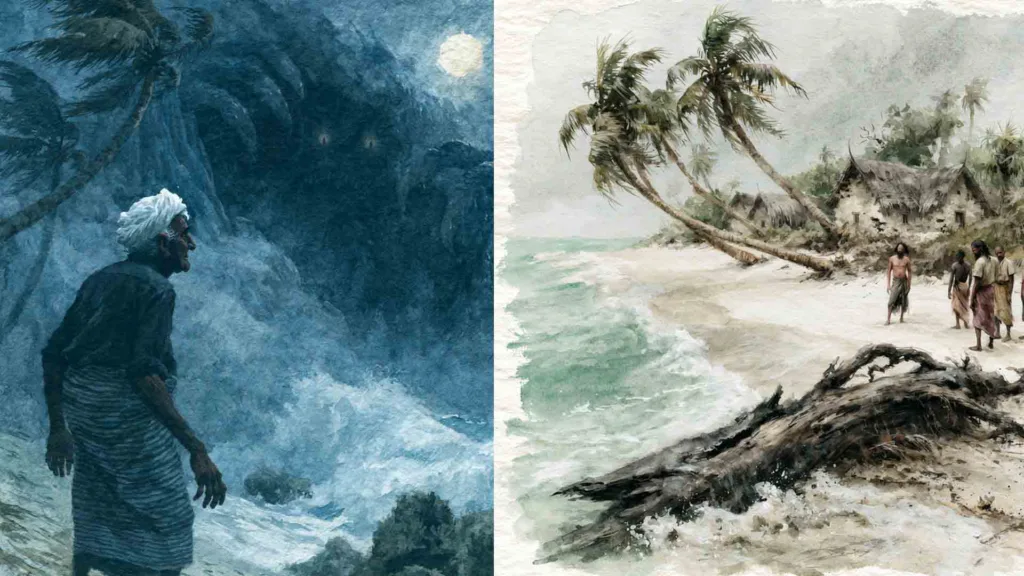
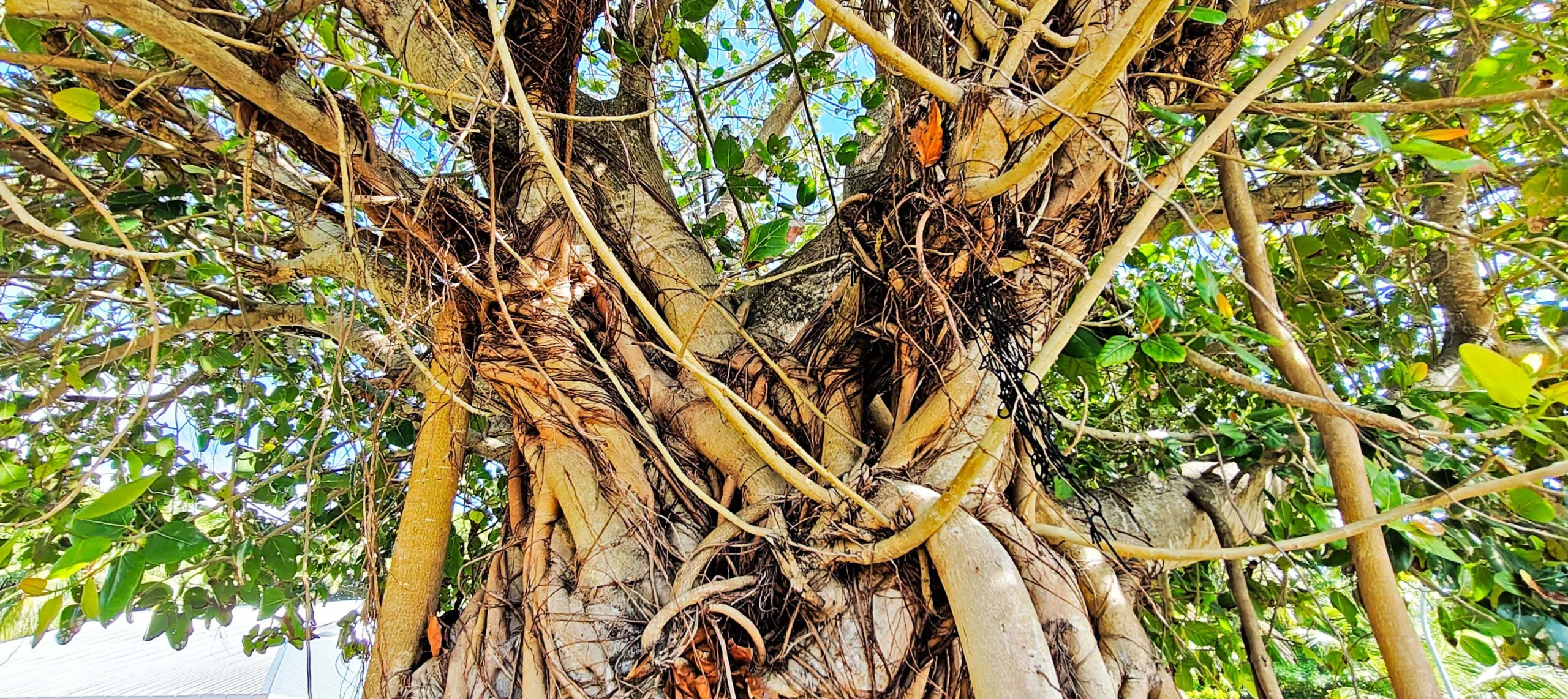
In Maldivian folklore, the forest is rarely empty. Large, ancient trees are often regarded as the primary residences for dhevi or fureytha, the spirits that inhabit the unseen layers of the islands. This belief in sacred enclosures means that certain groves are treated with a profound mix of reverence and caution. One of the most enduring legends recorded in Maldivian oral history involves a young girl seeking refuge in the high branches of a tree to escape a terrifying cannibal woman. This spirit, driven by supernatural rage, would claw at the bark and shake the trunk with a violence that echoed through the silent island nights, illustrating the tree as both a sanctuary and a focal point for ancient fears.
The Architect’s Wood: The Uni Tree
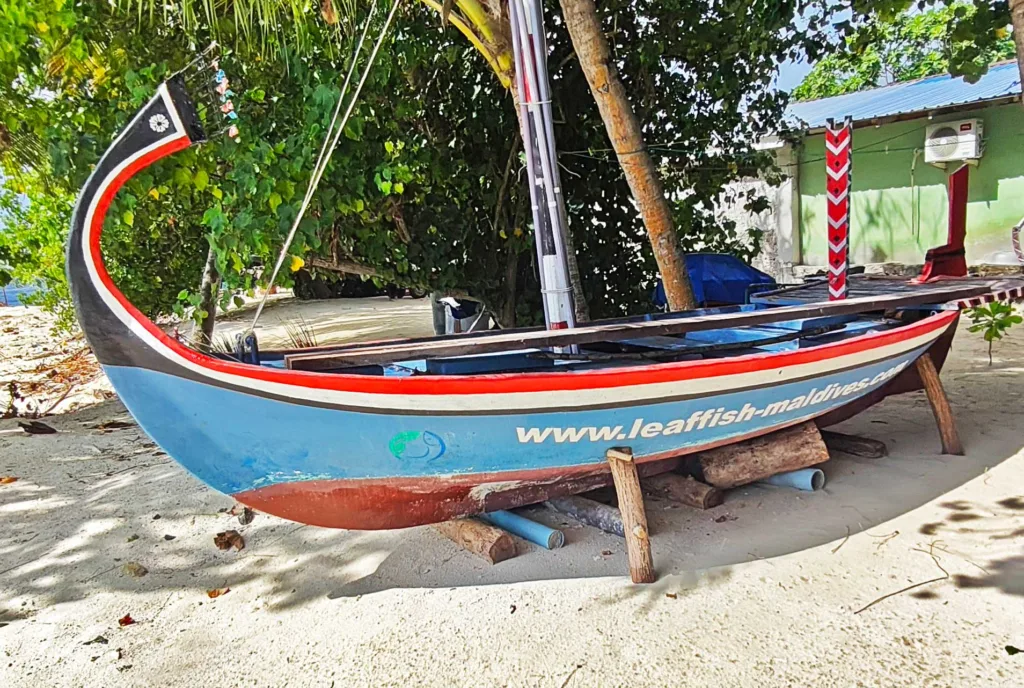
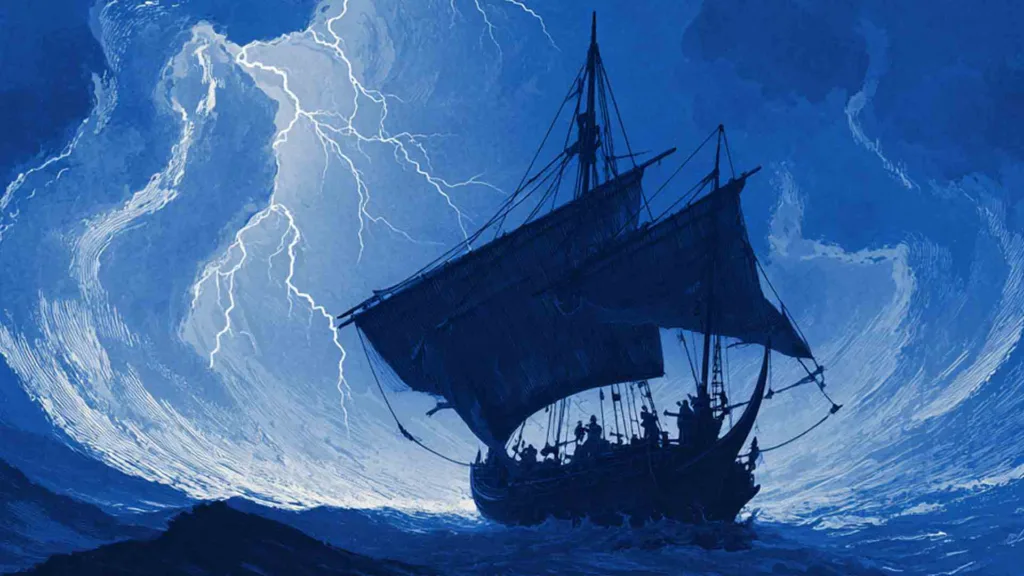
While some trees house spirits, others serve as the structural backbone of the nation’s maritime identity. The Uni tree (Beach gardenier) has been prized for centuries by master shipwrights who understood the secret language of timber. This wood was traditionally selected to craft the “ribs” of legendary vessels such as the massive Veḍi. Shipwrights would seek out Uni branches with natural curves that matched the specific hull shapes required to cross the unpredictable currents of the Indian Ocean. Even the boat-building sheds where this wood was worked were laid out according to the Nakaiy system, ensuring that the vessel’s luck was secured from the moment its first timber was cut.
The Healing Bloom: Kaani and the Art of Beys
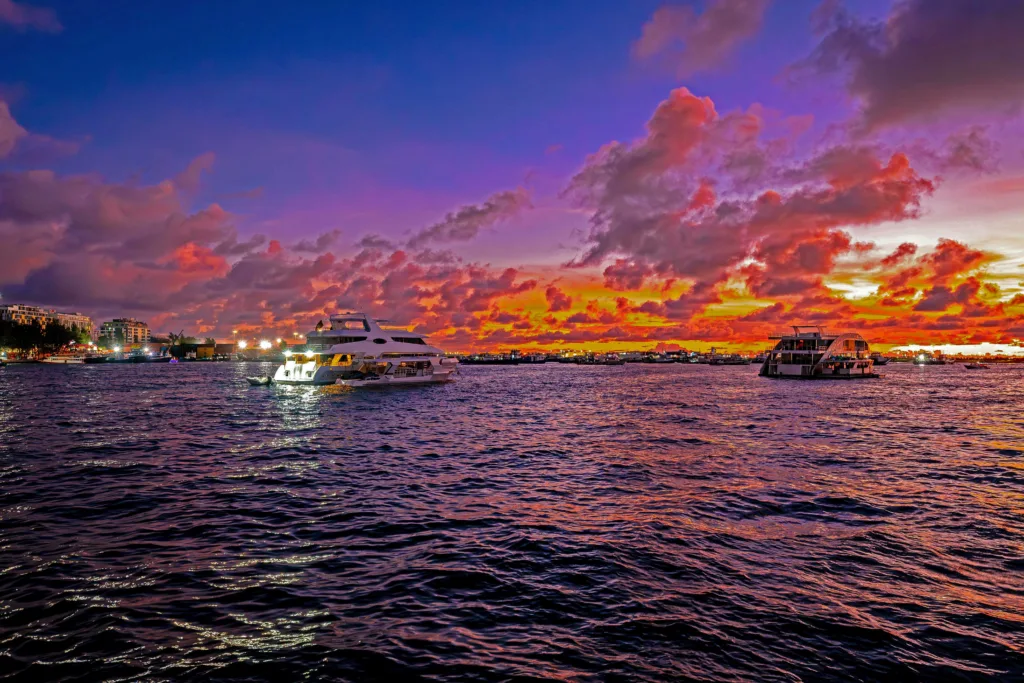
The Kaani, or Sea Trumpet, is more than a provider of shade; it is a cornerstone of Dhivehi Beys, the traditional medicine of the atolls. In many island traditions, significant trees standing by the water were marked with red pigments to honor village goddesses or deities of time. The deep shade of these trees often served as the staging ground for Fanditha, where practitioners would wait until the precise moment the light disappeared from the western horizon to complete ceremonies intended to shift a person’s fortune or protect a household from harm.
Guardians of the Shoreline
The flora of the atolls serves as a living threshold between two worlds. Trees like the Hirundhu (Portia tree) and the Kanoo (Small-leaved Orange Mangrove) mangroves are not just ecological barriers against coastal erosion; they are viewed as the first line of defense between the organized world of the village and the untamed spirits of the deep sea. For the modern traveler, these trees offer a rare glimpse into a time when every leaf and root was part of a grand, geometric calculation of survival, faith, and spirituality.
The Living Monument of Maroshi: A 400-Year-Old Legacy
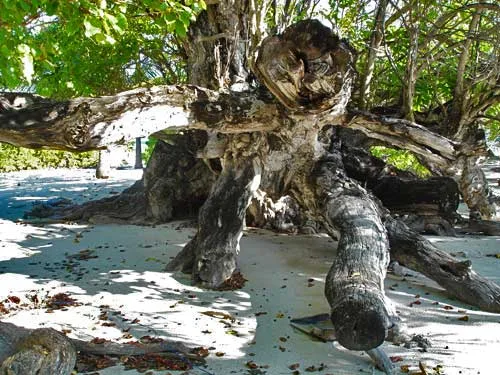
In the quiet landscape of Maroshi, a botanical giant stands as a living bridge to the most heroic chapter of Maldivian history. This massive Kaani (Sea Trumpet) tree is far more than a natural wonder; it is a sacred tribute to Sultan Mohamed Thakurufaanu and his successful struggle to liberate the nation from Portuguese rule. As the largest and likely the oldest of its species in the Maldives, the tree stands as a silent witness to a revolution that has shaped the archipelago’s identity.
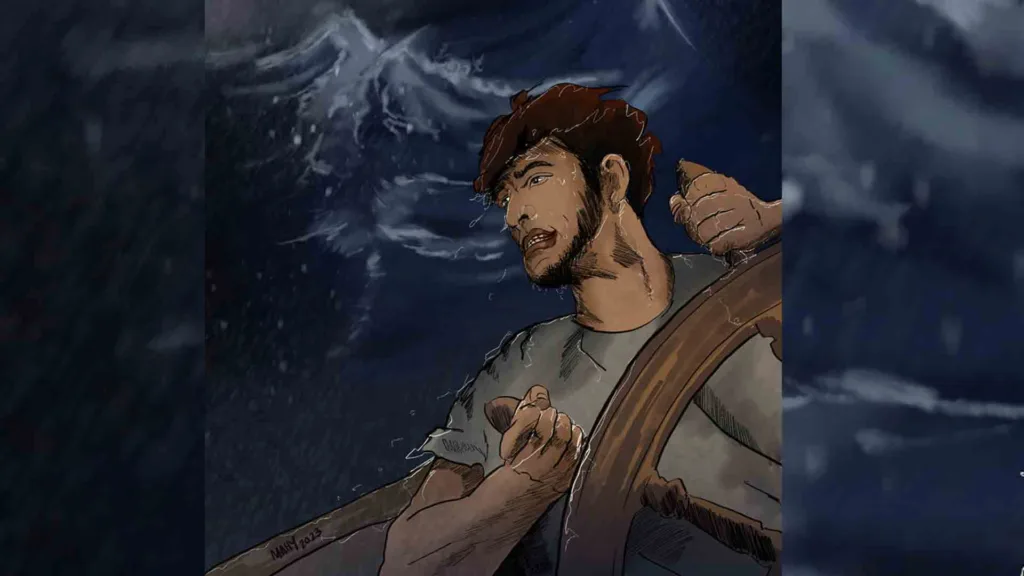
The history of this tree is inextricably linked to the legendary Maroshi Raaveribe, a humble toddy-tapper who played a vital role in the national resistance. Raaveribe was tasked with the critical maintenance of the Kalhuoffunmi, the swift vessel used by Thakurufaanu to strike at the occupiers. Every time the ship docked at the strategic port of Maroshi, Raaveribe mended its sails and replenished its water supplies. The towering Kaani tree seen today is said to have grown from the very wooden staff Raaveribe hoisted over four centuries ago to support and dry the ship’s massive sails.
Even after 400 years, the landscape retains the scars and echoes of this era. Though some of the tree’s gargantuan branches bear the marks of time and human interference—appearing as if struck by “giant saws”—it remains a preserved historical monument. Nearby, the island’s physical geography still reveals the passage through which the Kalhuoffunmi once navigated in and out of the kulhi, the protected enclosure of water that served as a secret haven for the liberators.