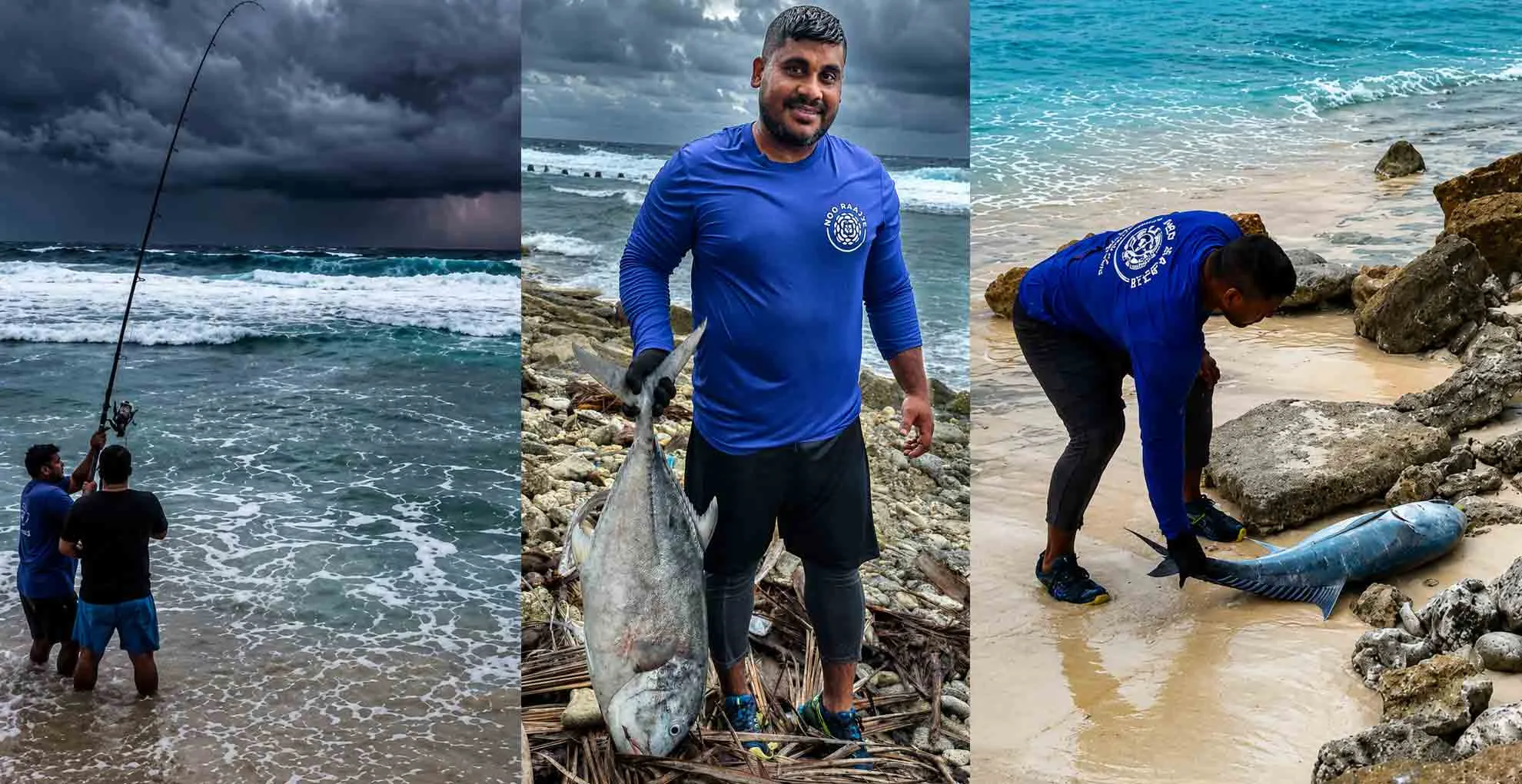
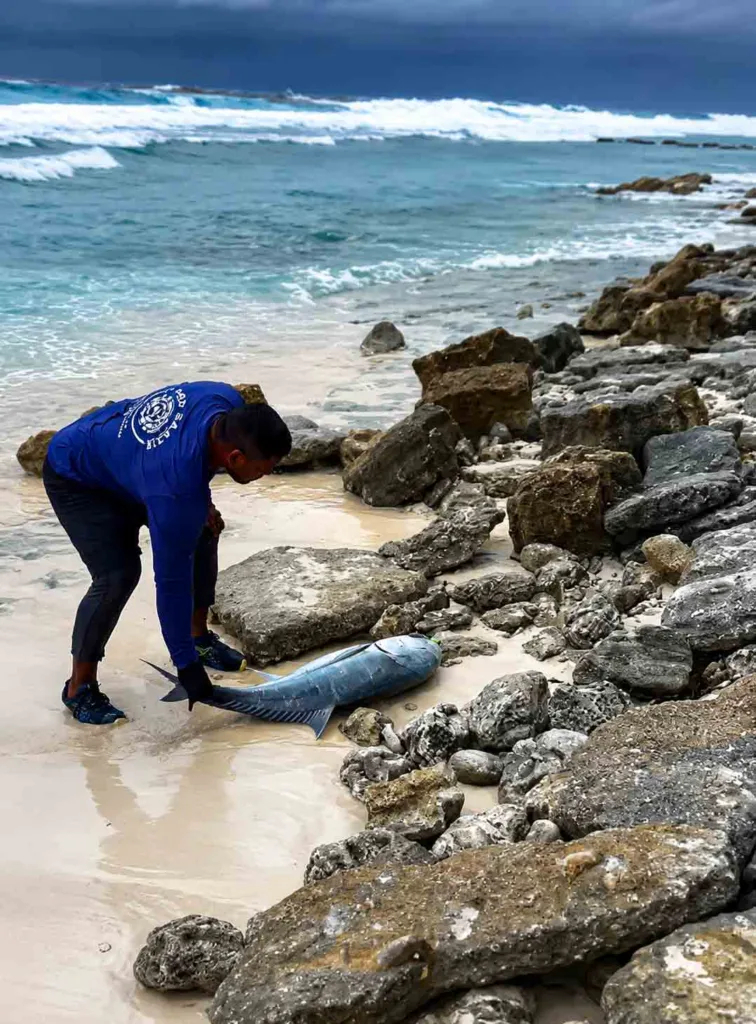
Giant trevally — or maamudu, as we call it in our dialect — is one of the strongest and most respected fish found in Maldivian waters. Anyone who has ever hooked a GT knows the sheer power and aggression of this fish. Even experienced fishermen speak carefully about large maamudu because once it strikes, the fight is never easy.
In the Maldives, giant trevally are commonly found around reef edges, reef passes, and channels with strong currents. Their presence is often a sign of a healthy reef ecosystem. Reefs filled with baitfish naturally attract predators such as GTs, barracuda, tuna, and reef sharks. For many island communities, seeing giant trevally hunting near the reef edge has always been part of daily life by the sea.
When Hulhnagu Reaches the Reef Fronts
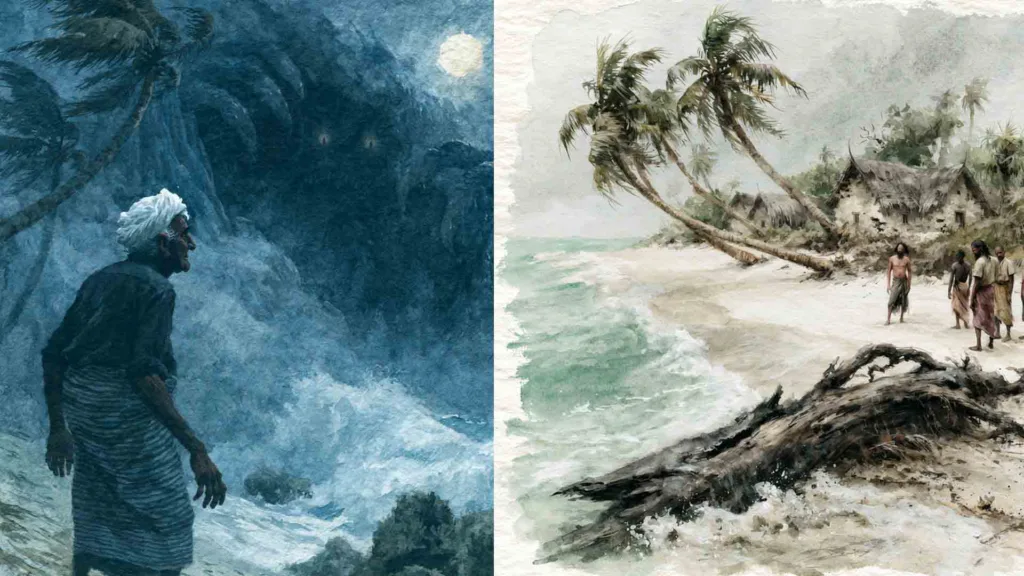
I started thinking about writing this because it is now the season of hulhnagu, the Southwest Monsoon, in the Maldives. During this season, the northern reef fronts of our island, Fuvahmulah, become rough and alive with activity. Around places like Neregando Beach, schools of baitfish — especially flying fish, or hulhanmaha as we call them — gather close to the reef edge, and giant trevally begin chasing them near the surface.
In the early days, fishermen walk towards the reef front carrying bait, bamboo poles, and handlines. Flying fish skim across the water while seabirds circle overhead. Fishermen spend time studying the currents and waves before deciding where to fish. In those days, fishermen relied more on experience and observation than on equipment. They understood which reef fronts became active during certain tides, moon phases, and seasons.
Fishing the Reef Edge
One traditional method used to catch giant trevally was vevelhe jehun. It was considered one of the most difficult and dangerous forms of reef fishing practiced on some islands. Fishermen stood directly on the reef edge using long bamboo poles and heavy fishing lines, sometimes nearly forty feet long. Live or dead flying fish were commonly used as bait.
Another traditional method used in some islands to target large reef predators was known as medun fishing. Unlike vevelhe jehun, where fishermen actively fought fish from the reef edge using bamboo poles, medun relied more on patience and timing. Heavy handlines were rigged with large hooks and tied securely to coconut trees or strong posts along the shore. Dead octopus, tuna heads, eels, and other oily bait were commonly used to attract large predators moving close to the reef at night.
This method usually began at sunset during low tide. Fishermen carefully placed the bait near reef passages or channels where large fish moved in with the rising tide. Stones were often attached to keep the bait fixed in position while fishermen waited on the beach late into the night, watching the line and listening to the sea. In many islands, medun fishing was not only about catching fish but also about spending long evenings by the shore with friends and relatives, sharing stories, tea, areca nut, and food while waiting for something powerful to emerge from the darkness beyond the reef.
Fishing from the reef edge was never easy. Waves crashed constantly onto the reef, while sharp and slippery coral made every step dangerous. Once a giant trevally took the bait, everything became chaotic. The bamboo pole bent heavily, and the fisherman had to react instantly before the fish reached the coral and snapped the line.
Older fishermen still tell stories of losing bamboo poles to powerful GTs or being pulled dangerously close to the surf while fighting large fish. Many returned home with deep coral cuts on their feet and hands after long battles at the reef edge. At night, the fishing became even more dangerous, as visibility was poor and the waves were harder to judge.
When we were younger, listening to these stories was always exciting. Every island seemed to have legends about enormous maamudu living near certain reef passes or channels for years without ever being caught. Some fishermen even believed that certain giant trevallies knew the reef better than the fishermen themselves.
In many islands, catching a large GT became an event the whole community talked about. People often caught these fish in shallow waters using handlines baited with fish such as bigeye scad. Standing on the beach, fishermen would release the line and battle these powerful fish as crowds gathered in excitement to watch. Children waited eagerly near the shore for fishermen to return, hoping to see the catch. Large fish were shared among families, neighbours, and relatives, making fishing an important part of island community life.
The Changing World of GT Fishing
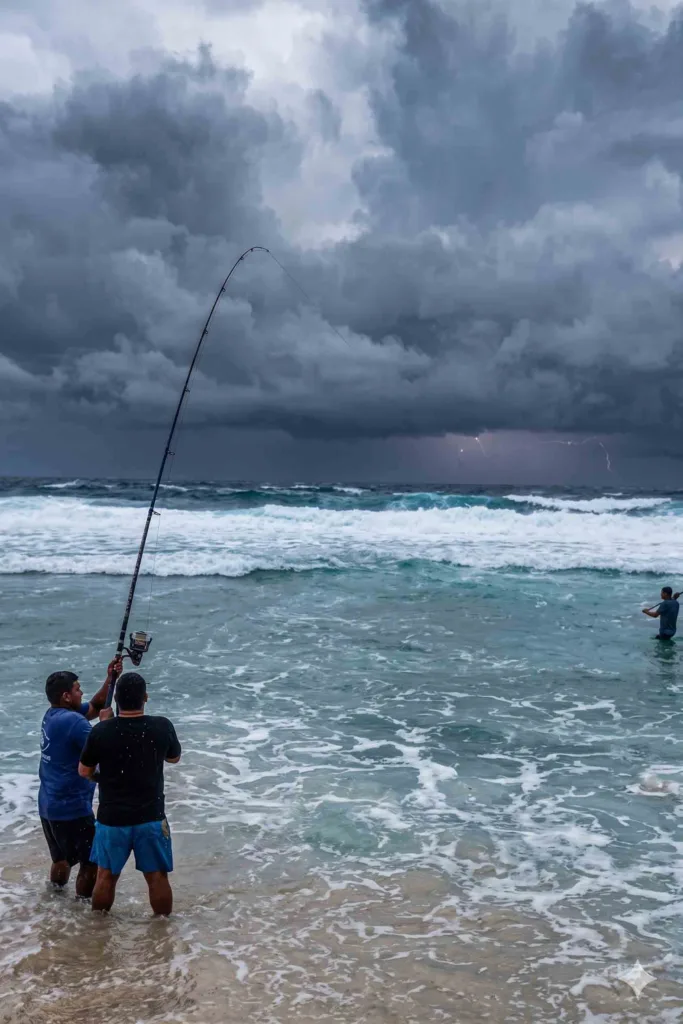
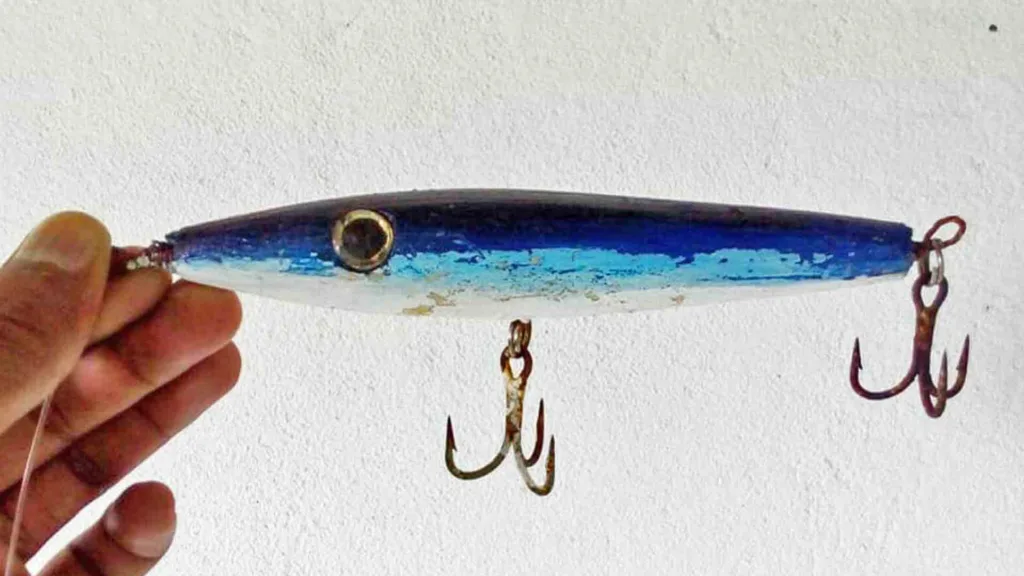
Today, giant trevally fishing in the Maldives has changed significantly. Modern anglers use carbon and graphite rods, reels, braided lines, stickbaits, poppers, and heavy-duty hooks designed specifically for GT fishing. International sport fishermen now travel to the Maldives to experience fishing along our reef fronts and channels.
Yet even with modern equipment, giant trevally remain difficult fish to land. Fishermen still depend heavily on understanding reef structure, tides, currents, and fish behaviour. In many ways, the knowledge passed down from older fishermen remains just as valuable as modern gear.
Giant trevally also play an important role in the reef ecosystem. As apex predators, they help maintain balance by feeding on smaller fish around the reef. Healthy populations of GTs often indicate healthy coral reefs with strong marine biodiversity.
Today, there is also greater awareness about protecting reefs and fish populations. Some anglers now practice catch-and-release fishing for larger GTs so future generations can continue experiencing this fish and the traditions connected to it. With coral bleaching and environmental changes affecting reefs across the Maldives, protecting reef ecosystems has become more important than ever.
Even today, when the hulhnagu season begins and giant trevally return to the northern reef fronts, many older fishermen still remember those days of standing on the reef edge with bamboo poles and heavy handlines, waiting for the strike of a powerful maamudu. Modern equipment may have changed the way people fish, but the excitement, danger, and respect surrounding giant trevally in the Maldives have never changed.