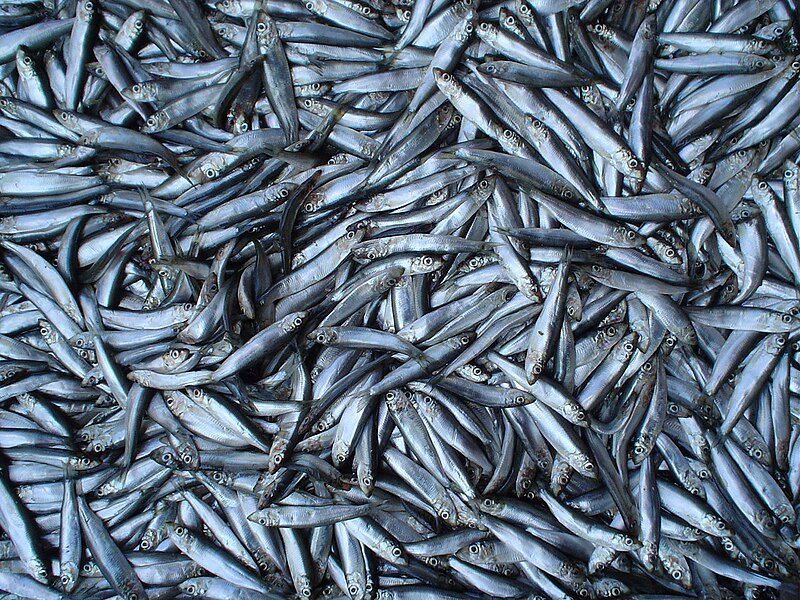
During the early 1990s, my uncle Fikreebe would often come home with small, shimmering fish known locally as rehi—the silver sprat. My mother would fry them, and we enjoyed the meal with rice and garudhiya, the traditional Maldivian tuna broth prepared with seawater. The fish was simple, yet exceptionally flavorful.
At the time, we did not realize how important rehi was to Maldivian fishing. Fikreebe’s role aboard the fishing vessel was to throw baitfish as the boat approached schools of skipjack or yellowfin tuna. Only later did we understand that silver sprat was the primary bait species. As children, we also used rehi to catch trevally, unaware of its broader significance in the tuna fishery.
Fast-moving and highly distinctive, the silver sprat is marked by two bright silver lines that shimmer as it darts through the water. Early fishermen believed it to be strictly a surface-dwelling bait, but the species also inhabits deeper waters. When schools rise to the surface, fishermen catch them by chumming. However, unlike many baitfish, silver sprat can also be caught at depth without chumming.
Silver sprat is most abundant during the southwest monsoon (hulhangu moosun), though it is also present during the northeast monsoon (iruvai moosun). The species is especially common around shallow reefs and is found in large numbers in the central and northern Maldives.
Seasonal currents strongly influence its distribution. During the northeast monsoon, silver sprat congregates along the western sides of the atolls. In contrast, eastern reef systems become its primary habitat during the southwest monsoon. The fish thrives in areas with strong currents—reef edges, channels, and waters beyond the islands—where nutrient-rich flows support large schools.
Maldivian fishermen traditionally classify silver sprat into three size categories: small, medium, and large. The smallest individuals average about 1.5 inches in length. These small sprats are most visible at the surface during the northeast monsoon and tend to remain in shallower waters during the southwest monsoon. When silver sprat appears in great abundance, the catch is usually dominated by these smaller fish.
Among Maldivian fishermen, silver sprat is widely regarded as one of the finest baitfish available—a small but essential species at the heart of the nation’s tuna fishery.