To most visitors, the Maldives is a world of blue horizons, powder-soft beaches, and coral gardens that glow like underwater stained glass. But beneath those warm, tropical waters roams one of the richest and most misunderstood communities in the Indian Ocean: the sharks of the Maldives.
Maldivians have lived with these animals for centuries—fishing them, naming them, revering them, and weaving them into the language of daily life. Understanding Maldivian sharks means not only learning about the species themselves but also stepping into the subtle world of local traditions, regional dialects, and island-by-island knowledge.
This guide blends scientific discovery with cultural insight, offering travelers a window into how Maldivians see their sharks—and how researchers have come to catalog more than 30 species in these waters.
View this post on Instagram
Sharks in the Maldivian Language: Many Islands, Many Names
In Dhivehi, the word for shark is miyaru. A few species are so iconic they’re recognized everywhere—like femunu (Tiger Shark), fehurihi (Whale Shark), or madu miyaru (Sixgill Shark)—and retain consistent names across the archipelago. But for most sharks, things are wonderfully complicated.
The Maldives stretch over 800 kilometers of ocean, and with each atoll existing as a small world of its own, shark names have evolved locally. This means:
• The same shark may have 10–20 different names, depending on the island.
• Different species may share the same name.
• Fishermen sometimes use “catch-all” names for whole groups.
• Occasionally, a name may change simply because a fisherman feels like it (FAO, 1992).
Three familiar sharks demonstrate this naming mosaic better than any others:
• Silky Shark (Carcharhinus falciformis): about 13 names, many tied to tuna schools or their dark colouring.
• Oceanic Whitetip (C. longimanus): 19 names, nearly all inspired by its long, elegant pectoral fins.
• Blacktip Reef Shark (C. melanopterus): about 19 names reflecting its pale colours or lagoon habitat (FAO, 1992).
View this post on Instagram
Some names, like aadhaige miyaru (“common shark”), apply to several species. Others swap meanings from atoll to atoll—the Nurse Shark and Variegated Shark even trade names entirely in some islands.
To the Maldivian eye, guitarfish also count as sharks, known locally as madi miyaru, adding yet another layer to the island lexicon.
For travelers speaking with fishermen, this creates a charming challenge: one never quite knows which shark a name refers to unless you ask a few extra questions. But that mix of folklore and familiarity is part of the cultural richness of the islands.
A Living Ocean Encyclopedia: How Scientists Study Maldivian Sharks
Beyond tradition, science has also played a major role in understanding Maldivian shark life. Over the last few decades, several major surveys—offshore longline expeditions, reef fish assessments, and local interviews—have helped researchers identify at least 26 confirmed species and as many as 34 likely ones (FAO, 1992).
This includes everything from massive open-water giants to cryptic deep-slope hunters and small reef species that snorkelers can see without leaving the lagoon.
View this post on Instagram
Deepwater sharks remain the least known—in fact, seven species were identified from just 14 specimens. New discoveries still happen: one unusual kitefin shark and a sandtiger species (Odontaspis ferox) were recorded for the first time only recently, based on jaws sold in Malé shops.
Scientists combine Maldivian fishers’ knowledge with length–weight measurements, stomach content studies, and seasonal catch patterns. Yet the local naming system means that matching a Dhivehi name to a species can be tricky. The scientific and cultural maps don’t always overlap—but together they tell a fuller story.
Meet the Sharks of the Maldives: Iconic Residents and Secretive Wanderers
Silky Shark — The Drifter
The most abundant offshore species, the Silky Shark follows the monsoon currents.
• In the Northeast Monsoon, small juveniles travel under drifting objects, earning the name oivaali miyaru.
• In the Southwest Monsoon, larger adults swim against the current, shadowing tuna schools.
Silkies dominate longline catches in the north and central Maldives but remain less common in the south. Fishermen even have a unique method of catching juveniles by hand, luring them close with a dead tuna.
Oceanic Whitetip — The Wandering Sentinel
Recognized by its pillowy white-tipped fins, the Oceanic Whitetip is a graceful open-ocean predator, once common enough to form nearly a quarter of offshore shark catches.
Surveys show:
• Larger sharks swim deeper than juveniles.
• Females may outnumber males in certain size ranges.
• They’re more common south of 3°N—the reverse pattern of Silky Sharks.
Reef Regulars — Grey Reef and Blacktip Reef Sharks
For divers, these are the Maldives’ signature shark species.
Grey Reef Sharks, always patrolling the edges of kandus (channels), gather where currents are strongest—west sides of atolls in one monsoon, east sides in the next. Mature females vanish from dive sites briefly each year, likely to pup elsewhere.
Blacktip Reef Sharks, meanwhile, cruise the shallows, delighting snorkelers and beachgoers. Their reliance on lagoons makes them more visible than almost any other shark.
Whale Shark — The Gentle Giant
View this post on Instagram
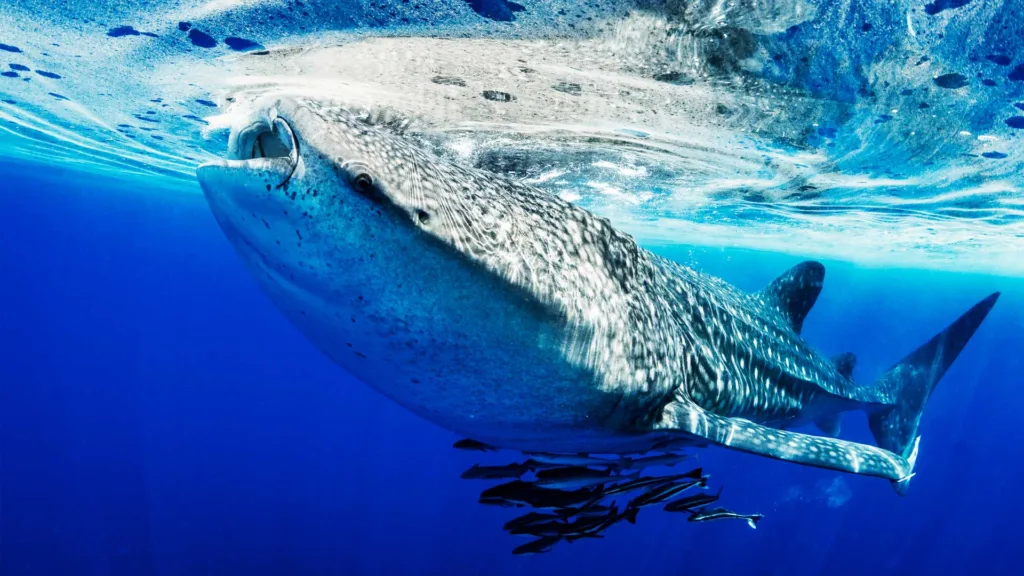
Known as fehurihi, this plankton-loving behemoth migrates with the seasons.
• During the SW Monsoon, sightings cluster along eastern atoll edges.
• During the NE Monsoon, the pattern flips.
Fishermen associate Whale Shark sightings with schools of live bait—especially the silver sprat (rehi)—which also drift with shifting monsoon flows.
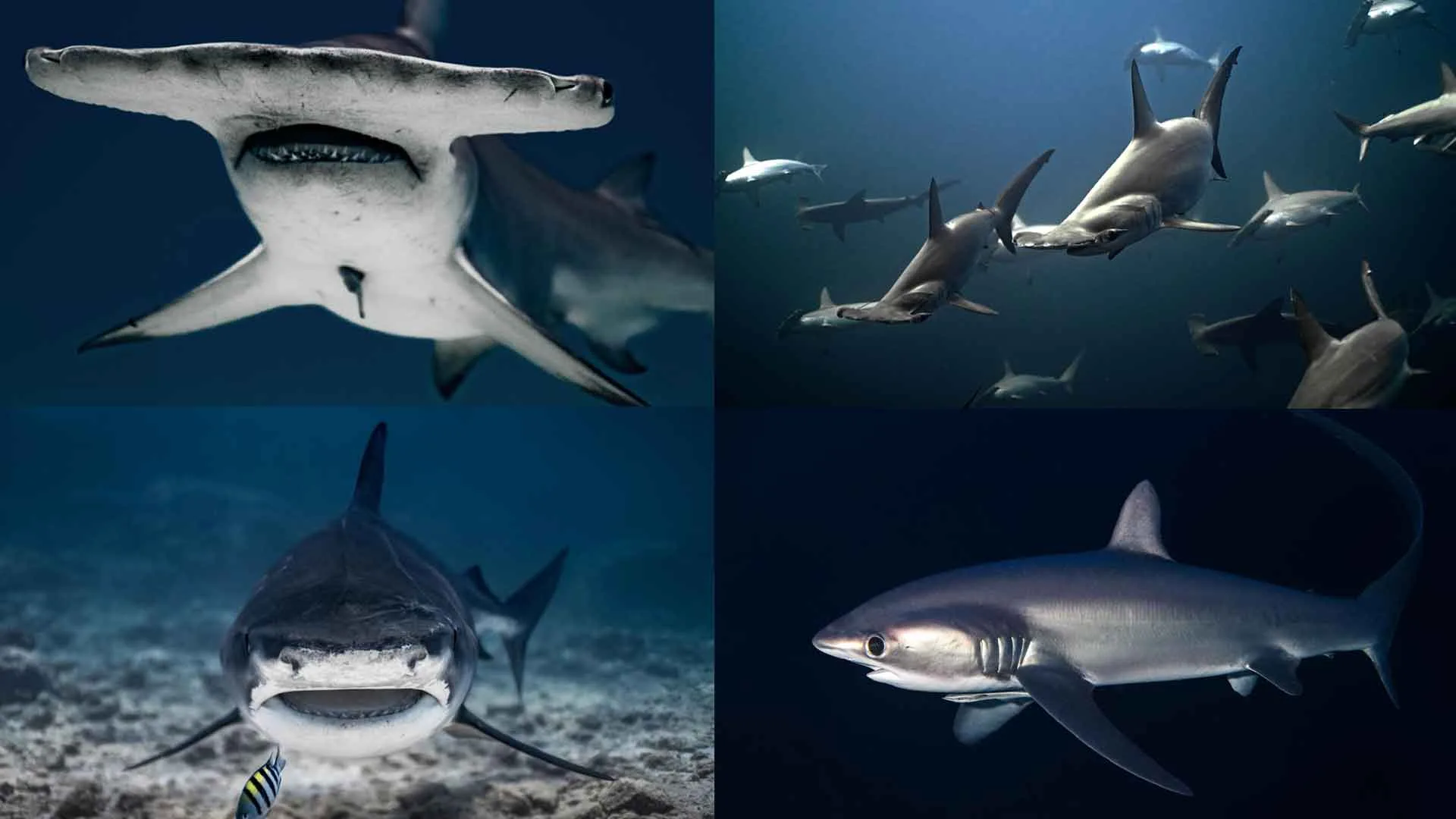
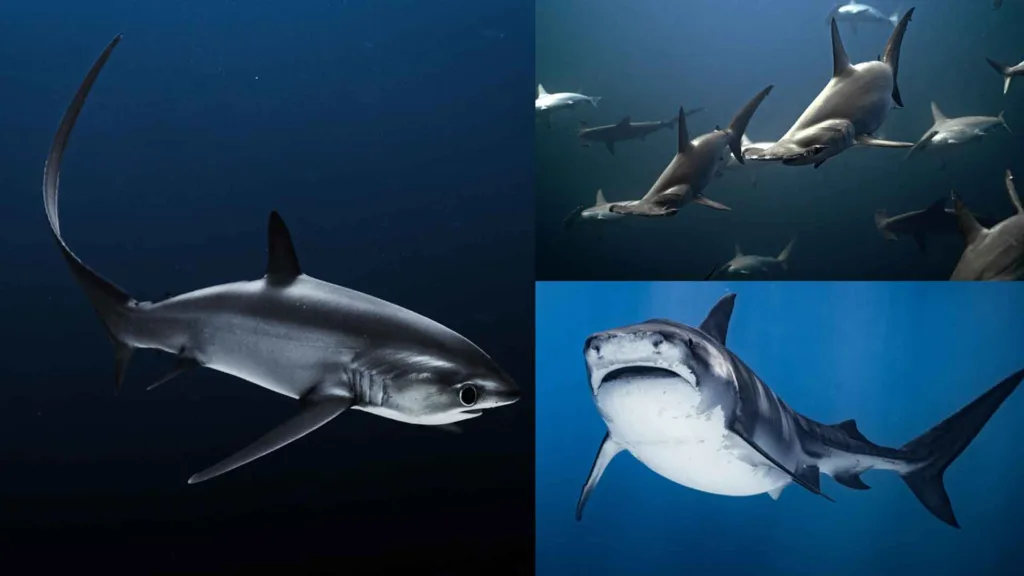
Tiger Shark — The Ancient Hunter
View this post on Instagram
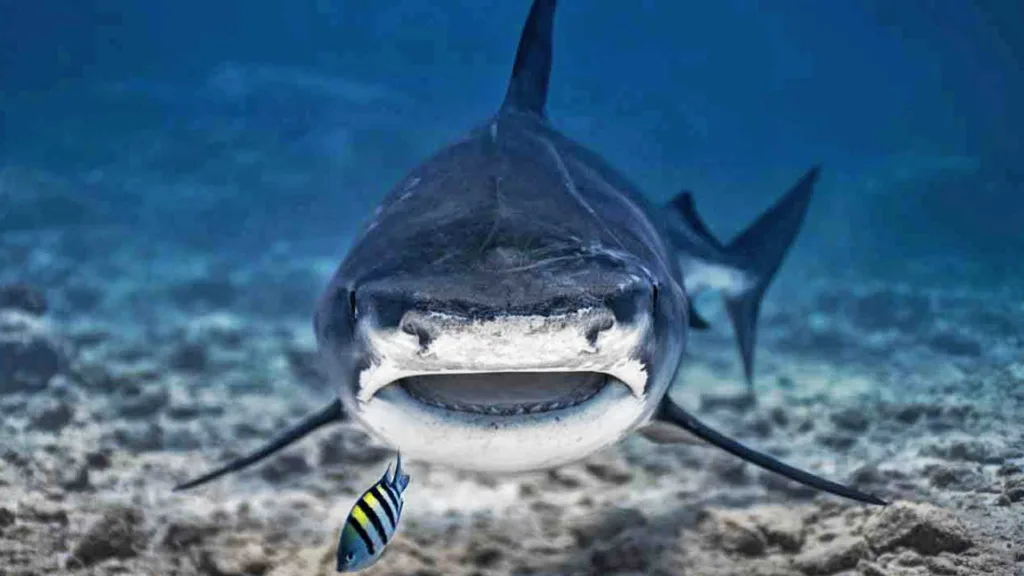
The Tiger Shark, or femunu, features heavily in Maldivian fishing heritage. Centuries-old liver-oil fisheries relied on this species, with some individuals reportedly reaching close to 6 m (FAO, 1992). Fishermen describe them as bold scavengers; recent records include sharks feasting on whale carcasses and even unusual items found in juveniles’ stomachs.
Deepwater Mysteries — Sixgills, Gulpers, Frilled Sharks
Beyond 200 meters, the Maldives host a lesser-known world of slow-moving predators:
• Sixgill Sharks (madu miyaru), common on deep outer slopes.
• Gulper Sharks (Centrophorus spp.), central to the traditional deepwater liver-oil fishery.
• Frilled Sharks, likely present though rarely seen, reported under the evocative name yen miyaru (“eel shark”).
These species remain understudied, making the Maldives a frontier for shark research.
Hammerheads — The Pelagic Spectacle
View this post on Instagram
Off Rasdhoo Atoll’s famed Madivaru corner, divers gather at dawn to glimpse schools of Scalloped Hammerheads spiraling up from the deep. Although rarely caught in surveys, they’re one of the Maldives’ most iconic underwater experiences.
Fishermen occasionally report sightings of massive Great Hammerheads, possibly reaching lengths of 6 m (FAO, 1992)—giants that, if confirmed, would be some of the largest in the world.
A Living Heritage
The Maldives’ shark world is more than a list of species—it’s a blend of ecology, tradition, and evolving science. Fishermen’s stories, monsoon rhythms, deepwater mysteries, and reef-edge spectacles come together to form one of the Indian Ocean’s most vibrant shark ecosystems.
For travelers, understanding this underwater heritage adds depth to every dive and every conversation with islanders. Whether you encounter sleek Silky Sharks under drifting flotsam, a placid Nurse Shark resting in a cave, or the colossal polka-dotted Whale Shark cruising a reef edge, each sighting is part of a centuries-old relationship between Maldivians and the animals they call miyaru.
Sources: Food and Agricultural Organization. (1992). The Shark Fisheries of the Maldives. FAO.