A Field Handbook to the Nation’s Submerged Strongholds
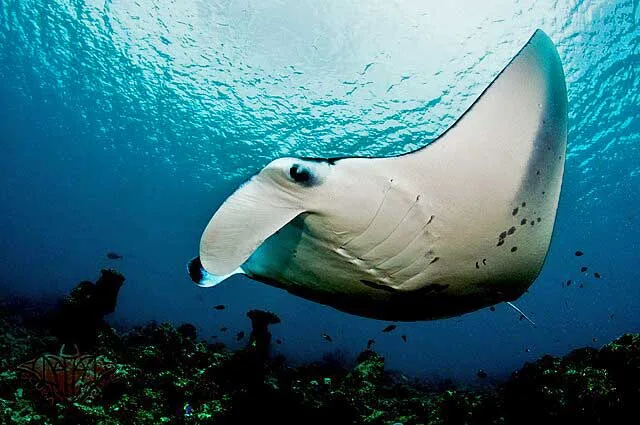
Scattered across the Maldivian archipelago are dozens of underwater pinnacles—thilas—that rise abruptly from deep channels and sandy plains. To the casual diver, they are dramatic dive sites. To the ecosystem, they are something far more essential: fixed biological anchors where life concentrates, currents deliver nutrients, and apex predators patrol predictable terrain.
Recognizing their ecological importance, the Maldives has placed several of these pinnacles under formal protection. What follows is a site-by-site handbook, written in a National Geographic style—grounded in science, attentive to form, and focused on why these places matter beyond their beauty.
Fushifaru Thila
Atoll: Lhaviyani
Protection status: Protected Marine Area
Protected since: 27 September 1995
Rising like a submerged spine at the northeastern mouth of Fushifaru Kandu, Fushifaru Thila is an elongated reef formation shaped by constant water movement. Measuring roughly 150 meters in length and 70 meters across, its reef crest sits shallow—around 10 meters—before plunging sharply into surrounding depths of 27 to 35 meters.
What distinguishes this thila is flow. Strong channel currents sweep across its flanks, feeding reef fish populations and sustaining two established manta ray cleaning stations. These stations transform the pinnacle into a predictable rendezvous point, where manta rays pause to rid themselves of parasites before slipping back into the blue.
This combination of structure, current, and biological function makes Fushifaru Thila one of Lhaviyani Atoll’s most reliable engines of biodiversity.
Maagandu Thila (Thila Anemone)
Atoll: Lhaviyani
Protection status: Protected Marine Area
Protected since: 08 October 2020
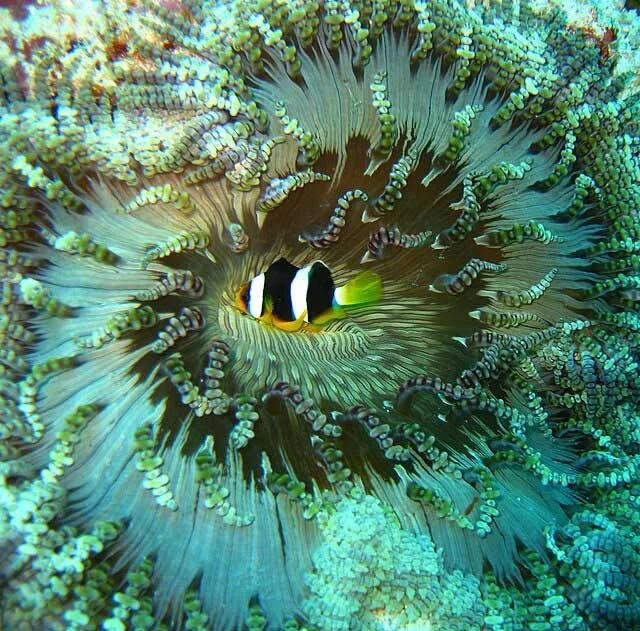
Known locally as Maagandu or Maagandumas, this northern Faadhippolhu pinnacle is globally unique. Its slopes are carpeted with exceptionally dense colonies of sea anemones, dominated by Heteractis magnifica. Few reefs on Earth exhibit anemone coverage at this scale.
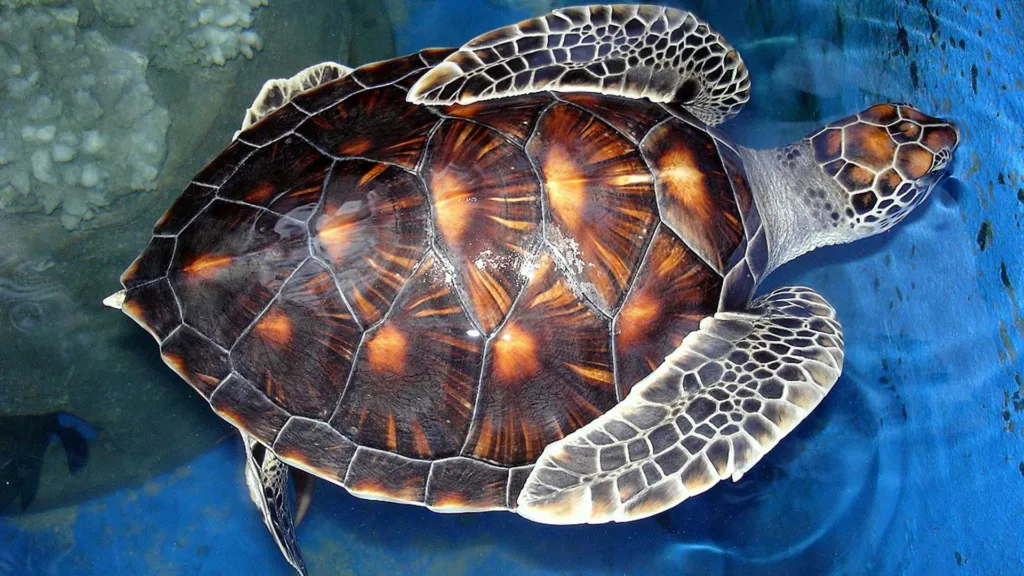
The effect is transformative. Clark’s anemonefish weave through tentacles like sparks in tall grass, while sharks, turtles, and reef fish patrol the periphery. Scientists have flagged Maagandu Thila as important for climate resilience, as anemone-dominated systems may offer refuge where hard corals struggle.
Here, biodiversity is not layered—it is woven.
Lankan Thila (Thila Nassimo)
Atoll: Kaafu
Protection status: Protected Marine Area
Protected since: 21 October 1999
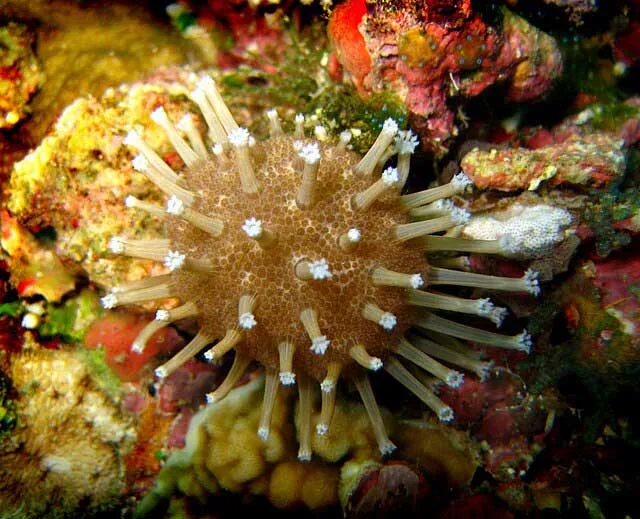
Oval in plan and complex in form, Lankan Thila rises to within 10–15 meters of the surface before breaking into a maze of overhangs, caves, and swim-throughs. On its northeastern flank, scattered satellite pinnacles crest between 18 and 25 meters, extending the reef’s ecological footprint.
Pelagic life is drawn to this structure. Sharks, manta rays, eagle rays, barracuda, and Napoleon wrasse patrol its edges, exploiting both shelter and current. In Kaafu Atoll, Lankan Thila stands as a keystone pinnacle—a place where structure alone creates opportunity.
Maaya Thila
Atoll: Alifu Alifu (North Ari)
Protection status: Protected Marine Area
Protected since: 21 October 1999
Isolated and almost perfectly contained within a 500-meter radius, Maaya Thila is a compact reef with outsized influence. Its square-like form rises to just 7–12 meters below the surface, with steep drop-offs on all sides and a ring of overhangs and outlying rocks.
A disciplined patrol near Bandos: Grey Reef Sharks (Carcharhinus amblyrhynchos) exploit the steady current along the reef wall. By positioning themselves in the ‘updraft’ created when horizontal currents hit the vertical face of a thila or reef edge, these predators can glide with minimal effort—a behavior that defines the ‘frontline’ reefs of North Kaafu Atoll. Credit: Video: Abdulla Sivad / @abdulla_sivad via Instagram
This geometry makes it ideal for sharks. Grey reef sharks and whitetip reef sharks use the thila as a resting and patrol zone, particularly during periods of current. Combined with stonefish, dense reef fish populations, and nocturnal activity, Maaya Thila has become one of the Maldives’ most biologically expressive pinnacles.
Orimas Thila
Atoll: Alifu Alifu (North Ari)
Protection status: Protected Marine Area
Positioned along the atoll edge, Orimas Thila functions as a frontline reef—a place where the shallow atoll meets the open ocean. Though less morphologically complex than some pinnacles, its location exposes it to consistent current and visiting sharks.
It forms part of North Ari’s broader protected reef network, contributing to connectivity between coastal reefs and pelagic pathways.
Mushimasmigili Thila
Atoll: Alifu Alifu (North Ari)
Protection status: Protected Marine Area
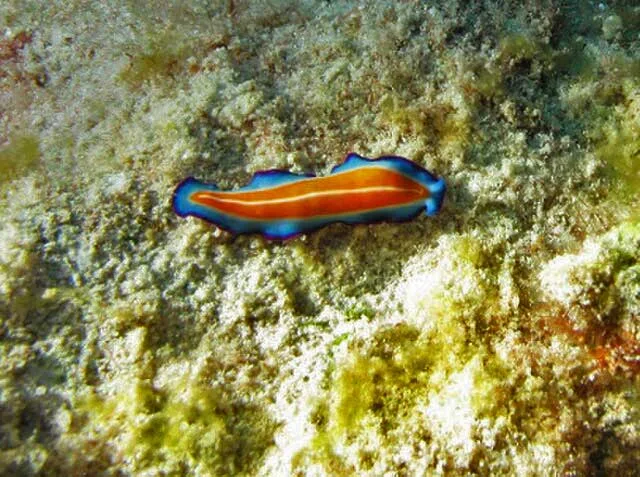
Often overshadowed by more famous neighbors, Mushimasmigili Thila earns its protection through sheer biological productivity. Reef fish densities are high, and the site functions as a feeding and nursery zone within the protected thila system of North Ari.
Its value lies not in spectacle, but in support—the quiet work of sustaining populations that ripple outward through the food web.
Karibeyru Thila
Atoll: Alifu Alifu (North Ari)
Protection status: Protected Marine Area
A large pinnacle set along the atoll’s outer rim, Karibeyru Thila is shaped by strong currents and deep-water proximity. These forces make it a natural shark sheltering area, particularly for individuals moving between coastal reefs and the open sea.
In ecological terms, Karibeyru functions as a buffer zone—absorbing oceanic energy and translating it into life.
Kudarah Thila
Atoll: Alifu Dhaalu (South Ari)
Protection status: Protected Marine Area
Kudarah Thila differs from many pinnacles in its form: a shallow, plateau-like structure rather than a steep spire. This broad topography creates layered habitats that support reef fish, sharks, and invertebrates in close proximity.
Long recognized for its underwater scenery, Kudarah Thila is also a functional habitat, anchoring marine life in one of South Ari’s most productive reef systems.
Why These Pinnacles Matter
Protected thilas are not isolated monuments. They are nodes in a living network, stabilizing food webs, guiding migration, and offering refuge in a changing ocean. Their protection represents one of the Maldives’ most forward-thinking conservation strategies: safeguarding places where life naturally concentrates.
In the open ocean, space is vast. Survival, however, is precise.
Shark Ecology
The Residency Network
1. Maaya Thila Alifu Alifu Atoll Grey reef • Whitetip
A premier Marine Protected Area and the most famous “shark city” in the central atolls.
Grey reef sharks surf updrafts along the thila edge, using upward flow to remain buoyant with minimal effort.
2. Rasdhoo Madivaru Area Alifu Alifu Atoll Hammerheads
An isolated micro-atoll with a deep oceanic channel plunging to nearly 400 m.
At dawn, scalloped hammerheads rise from the deep to patrol the reef edge before retreating.
3. Makunudhoo / Olhi Kandu Kaafu Atoll Whitetip reef
A strategic channel with sandy bottom and strong, consistent current flow.
Whitetip reef sharks rest on sand facing into the current, allowing water to pass over their gills.
4. Fushifaru Kandu Lhaviyani Atoll Grey reef (dense)
A high-energy channel linking lagoon waters with the open ocean.
A biological highway concentrating prey and drawing dense grey reef shark aggregations.
5. Karibeyru Thila & Orimas Thila Alifu Alifu Atoll Mixed assemblages
Twin atoll-edge pinnacles between shallow reef systems and the deep blue.
Sheltering stations for pelagic sharks arriving from open ocean environments.
6. Gan Channel Addu Atoll Pelagic corridor
A deep oceanic passage in the far south of the Maldives.
A critical migration gate linking abyssal depths with the atoll system.
Source:
Information synthesized from Protected Areas of Maldives (Ministry of Climate Change, Environment and Energy, Maldives).