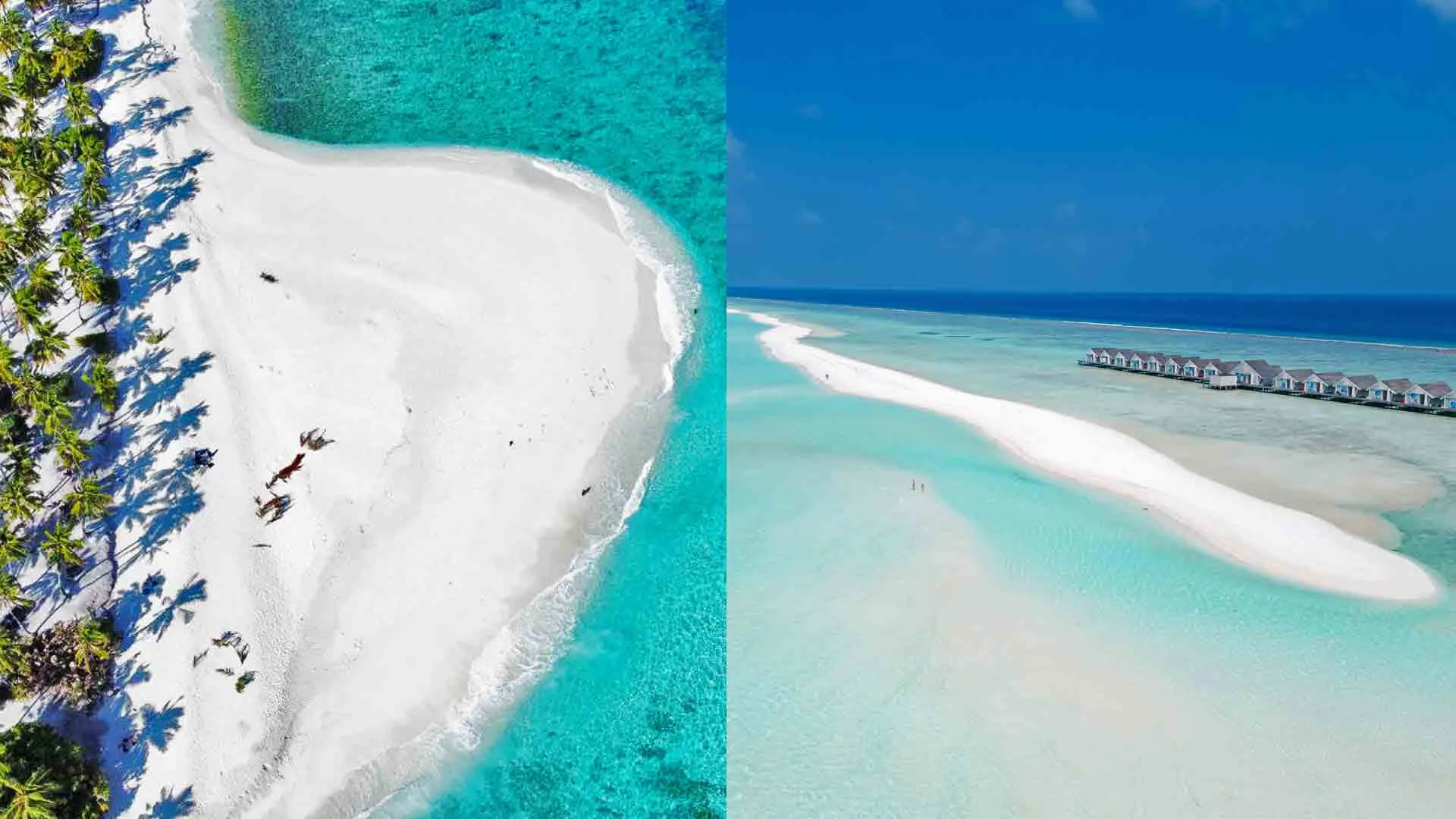
The Maldives is famous for small islands ringed by white sand and shallow turquoise lagoons. It is the familiar picture: coconut palms, a narrow beach, reef and then the deeper blue of the ocean.
Not every Maldivian shore fits that picture.
Some beaches are remarkable for the amount of open space they occupy. Others run for such a distance that walking them gives an unusual sense of scale in a country of small islands. And on a few shores, currents and waves move so much sand that the coastline itself can look different from one season to another.
Two places stand out for very different reasons: Thoondu in Fuvahmulah and Dhigurah in South Ari Atoll.
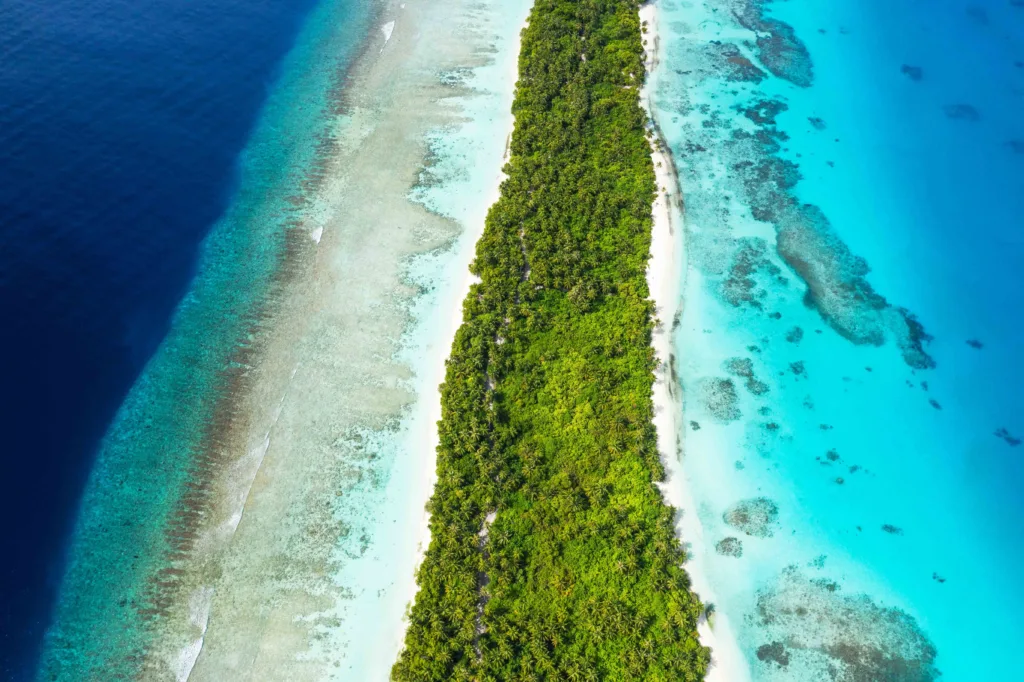
Dhigurah is the long beach. Its narrow island stretches southwards until land gives way to a long sandbank.
Thoondu is different. It faces the open Indian Ocean, receives waves directly onto its shore and has a beach that has changed considerably within living memory. For the people of Fuvahmulah, it is also tied to fishing, childhood, celebrations and one of the island’s most unusual natural events.
Thoondu: A Beach Remembered for Its Size
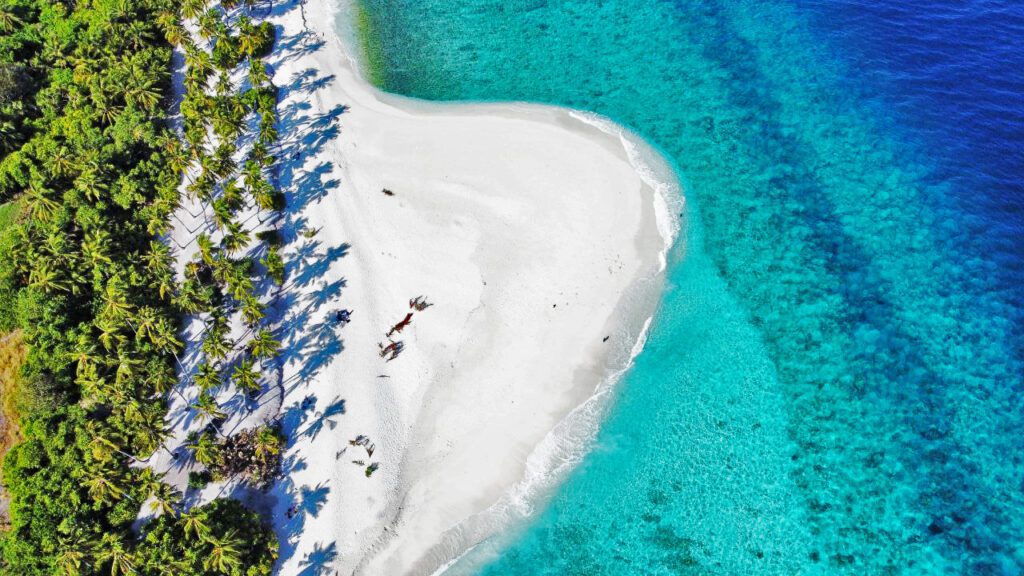
Thoondu occupies the northern end of Fuvahmulah.
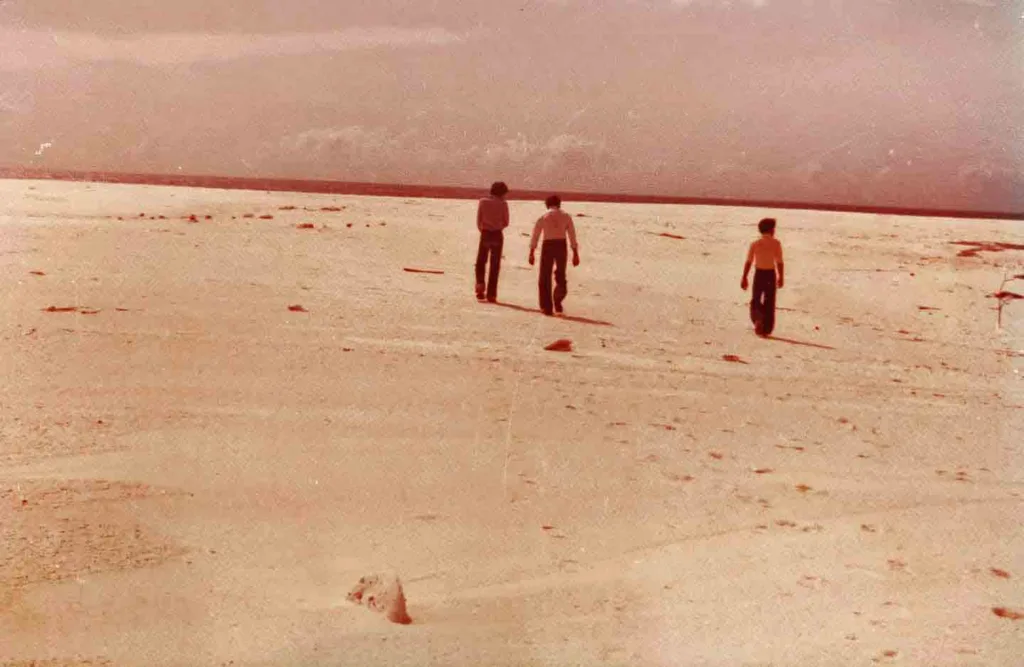
Today it remains a broad and striking beach, but older generations remember something much larger.
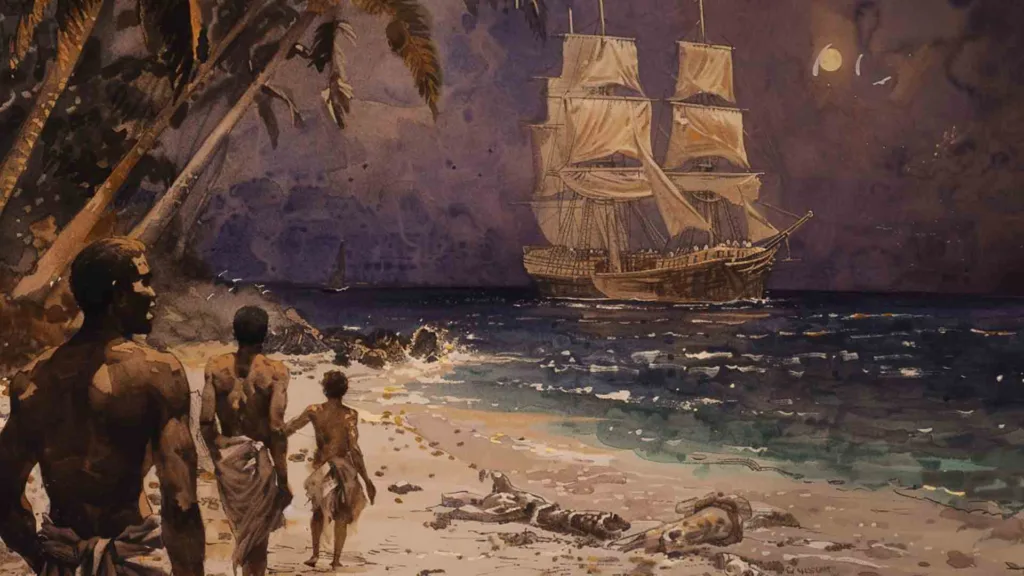
Around 35 to 50 years ago, the sandy area at Thoondu was enormous. Those who knew the beach then remember a great open expanse of sand, so broad that standing there could feel like being inside a large football stadium.
There are no measurements from that period that allow us to rank it against every beach in the country. But from the scale remembered by islanders, Thoondu may have been among the most extensive sandy beach areas in the Maldives at the time.
The beach was not simply an empty landscape.
At its outer edge, facing the open sea, fishermen landed pelagic fish. Large ocean-going fish were brought ashore here, linking the beach directly with the fishing life of Fuvahmulah.
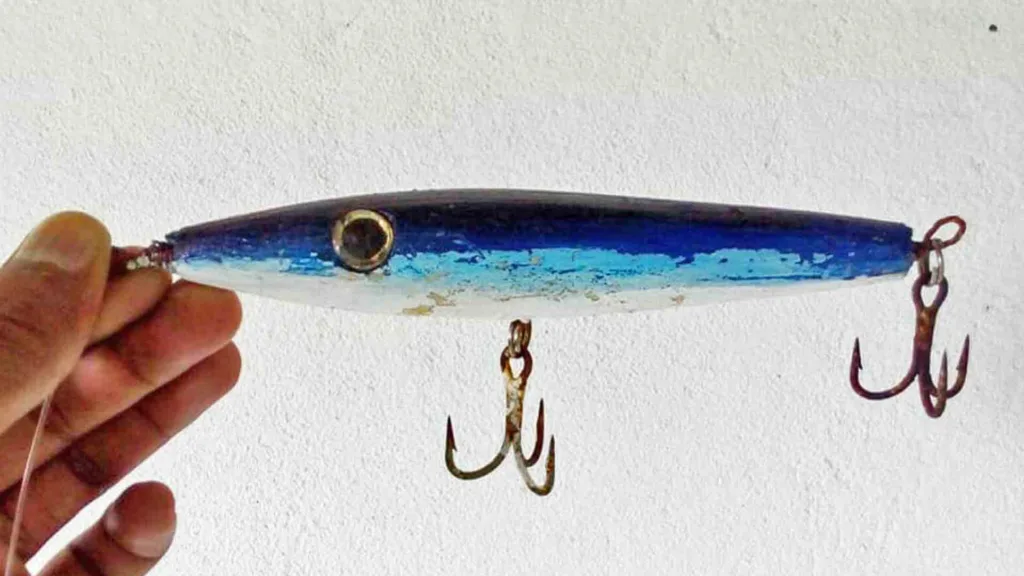
That relationship continues. Yellowfin tuna, sailfish, wahoo and other pelagic fish occur in the waters around the island, while people still fish from the shore at Thoondu, particularly after sunset.
For generations, this was a place where the working life of the island met the open ocean.
The Only Beach Break in the Maldives
Thoondu has another distinction.
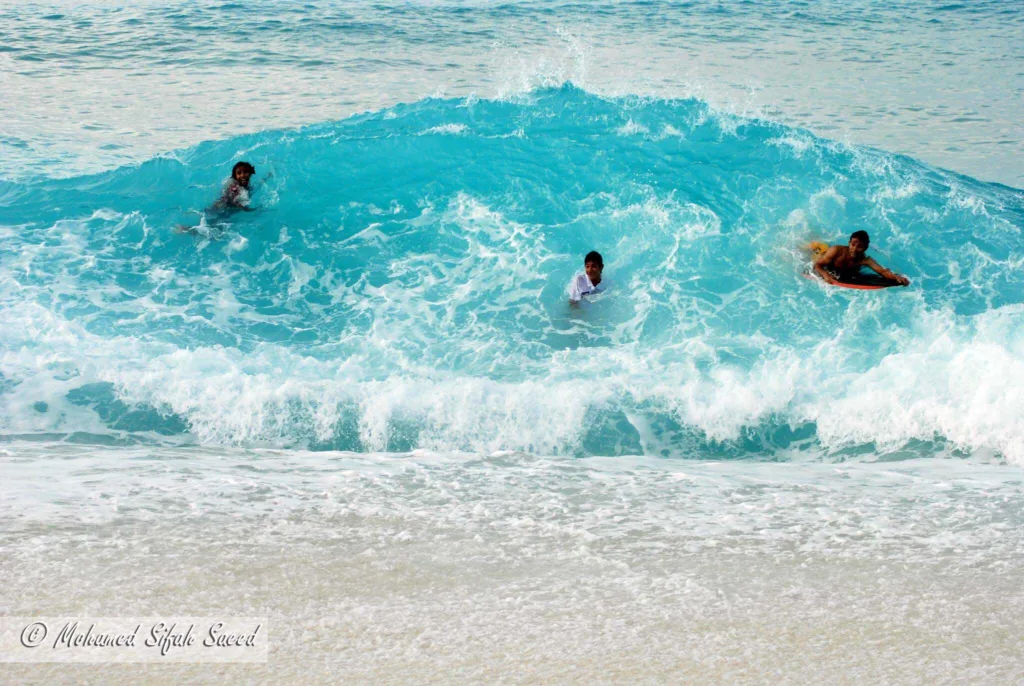
It is regarded as the only beach break in the Maldives.
Along most Maldivian islands, waves encounter a reef or reef flat before reaching the beach. At Thoondu there is no protective lagoon between the house reef and the shore. Waves can therefore break directly onto the beach.
This is especially noticeable when ocean swells arrive during the southwest monsoon. The sea can change quickly. A relatively calm stretch of water can be followed by lines of larger swell approaching the island and breaking hard on the shore.
Today, these conditions attract surfers and skimboarders. But riding the waves at Thoondu is not something that began with modern surfing.
Fuvahmulah had its own wave culture long before that.
Elei
In Fuvahmulah, a large wave is known as Elei.
For generations of boys growing up on the island, Elei was part of life at Thoondu.
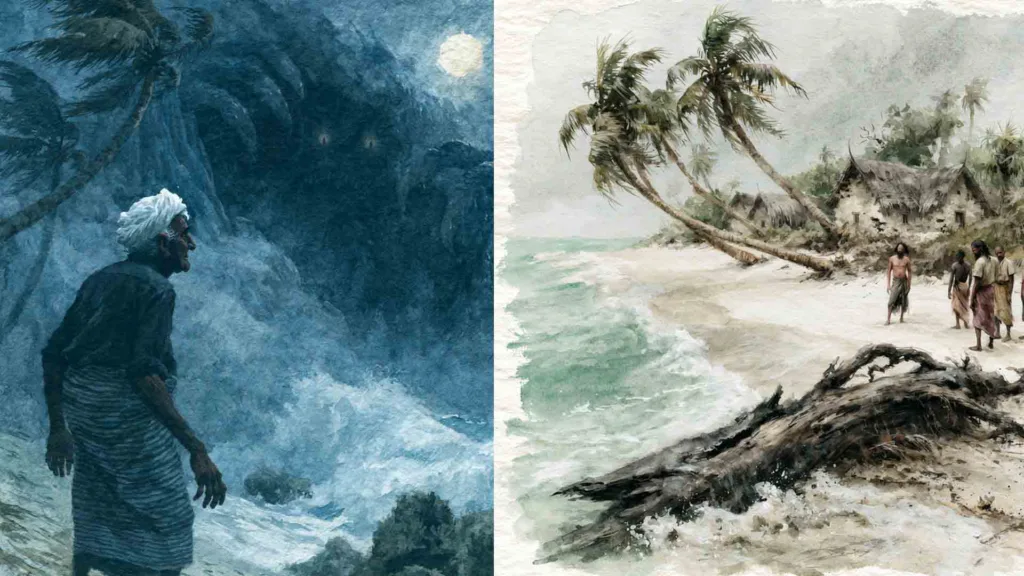
When a large swell began to form offshore, someone might shout Eleyi or Eleyi beyre. Boys would look towards the sea and prepare themselves. Some swam towards the approaching swell, trying to reach the right position before it broke.
If they caught it properly, the wave carried them towards the beach.
Several boys could sometimes ride the same wave, spread across its face or shoulder as it moved shoreward. Simple wooden boards were also used at times, but often there was nothing more than the swimmer and the wave.
The larger ones demanded judgement.
If an Elei looked too powerful, the safer choice was to dive underneath it and allow the water to pass overhead. Getting the timing wrong could mean being caught in the breaking wave and thrown onto the beach.
There were bruises and injuries. There was also the excitement of waiting for the next one.
For many boys in Fuvahmulah, learning to read these waves was simply part of growing up beside Thoondu.
A Beach That Moves
The waves explain only part of Thoondu’s unusual character.
The beach itself moves.
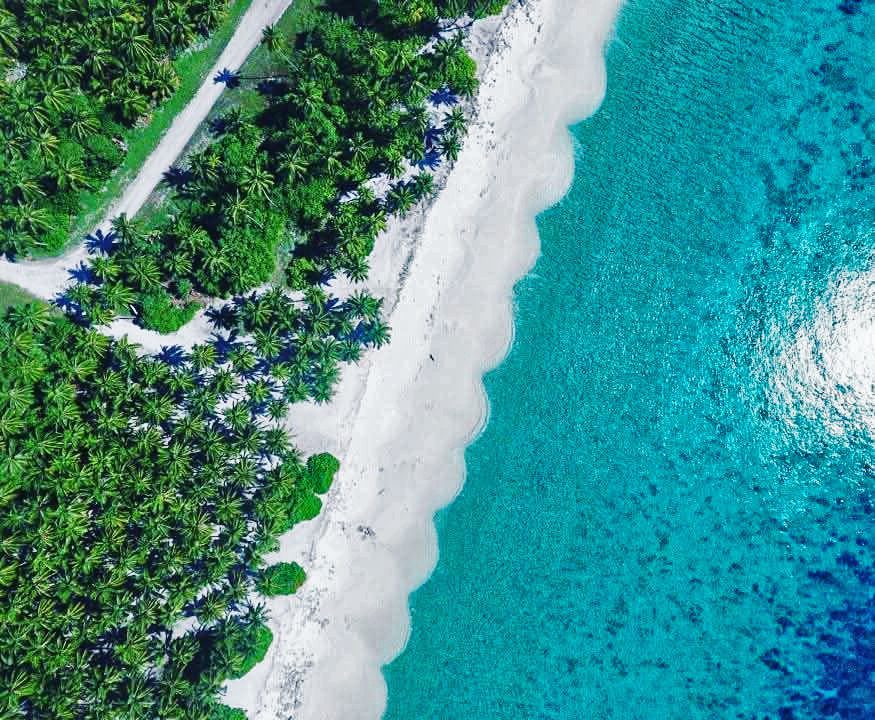
Sand is continually shifted by waves, currents and seasonal changes. Over time, large quantities can disappear from one part of the shore and accumulate elsewhere.
This movement produces the natural phenomenon known in Fuvahmulah as Bissaaveli.
When conditions are right, sand shifts away from the main beach and builds up farther out towards the reef edge. Water can then become enclosed between the new bank of sand and the island, creating a temporary lagoon-like pool.
For a time, Thoondu has another landscape within it.
Then the sea changes it again.
Bissaaveli was more familiar several decades ago. People living on the island could watch the shape of Thoondu change as sand moved with the seasons. In recent years, the phenomenon has become less common.
It remains one of the clearest examples of what makes this beach different. Thoondu is not a fixed strip of sand marking the northern end of Fuvahmulah. It is a shore continually being worked and rearranged by the ocean.
Even the material underfoot is unusual.
Alongside its sand are small, smooth, rounded white stones, naturally polished by the sea. They are one of Thoondu’s most recognisable features and give parts of the beach a texture quite different from the powdery coral sand associated with many Maldivian islands.
More Than a Beach
For Fuvahmulah, Thoondu has never belonged only to visitors.
It is part of island life.
People come here to fish, walk and spend evenings beside the sea. Families and friends gather at Thoondu during Eid, Maahefun and other occasions. Children grow up knowing its waves.
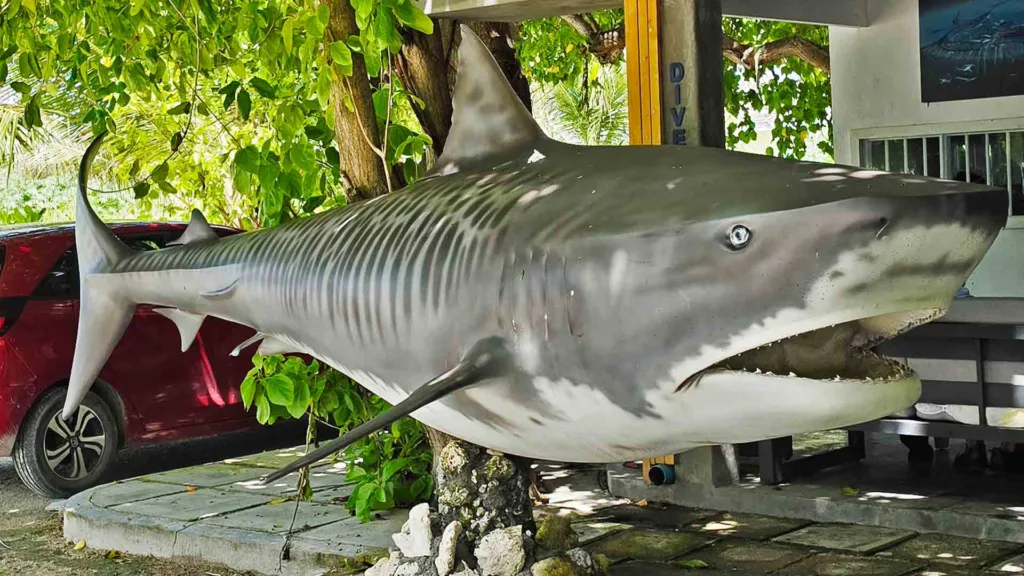
The wildlife changes with the season too. Frigatebirds, known locally as Huraa, can be seen around the northern coast, while the deep ocean surrounding Fuvahmulah supports sharks, rays, turtles, tuna and other large marine animals.
All of these things overlap at Thoondu: fishing, wildlife, waves, childhood memories and a shoreline that refuses to remain still.
The beach remembered by someone who stood here 40 or 50 years ago is not quite the beach a child sees today.
That, perhaps, is the best way to understand Thoondu.
It is not simply a beach beside Fuvahmulah.
It is part of Fuvahmulah’s memory.
Dhigurah: The Long Shore
Dhigurah, in South Ari Atoll, presents a very different landscape.
Its name gives the first clue. Dhigurah means “long island” in Dhivehi, and the island is unusually elongated by Maldivian standards.
Its beach follows that geography.
Rather than opening into a great sandy expanse like the Thoondu remembered by older generations, Dhigurah draws the eye along the length of the island. White sand, vegetation and clear water continue into the distance, giving walkers something uncommon in the Maldives: a beach that seems to keep going.
The further south one walks, the narrower the island becomes.
Buildings disappear. Vegetation begins to thin. The inhabited part of Dhigurah is left farther behind.
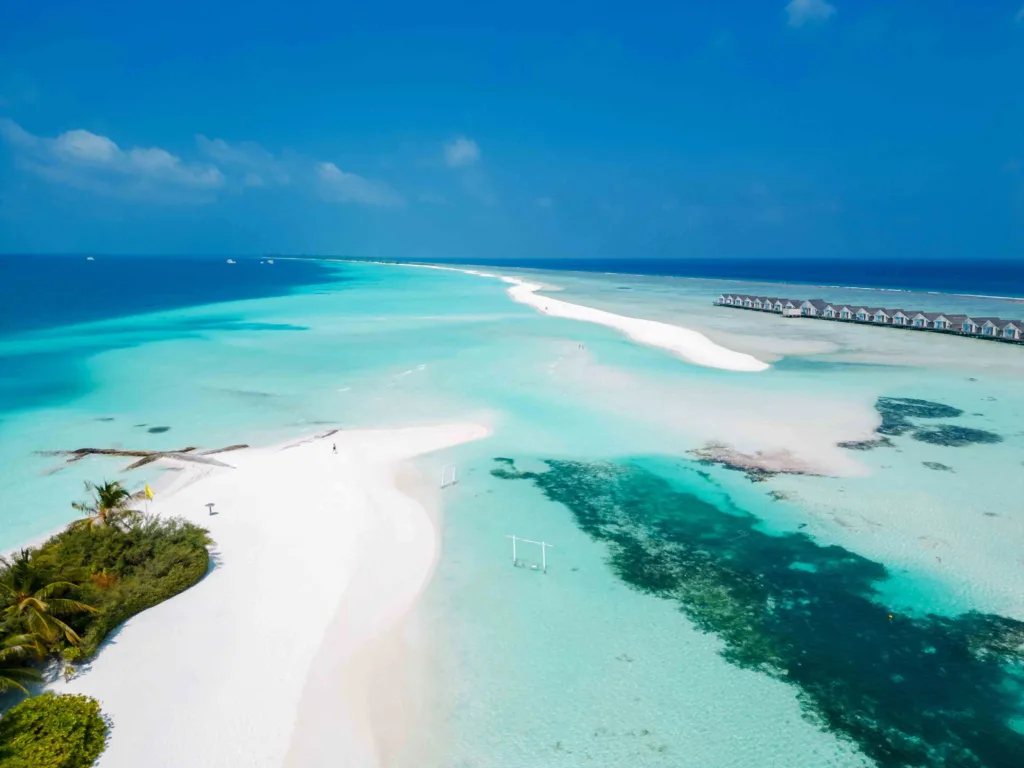
Eventually the island tapers into its celebrated sandbank.
Here, the distinction between island and sea becomes increasingly slight. The green interior ends and a narrow tongue of white sand continues ahead, surrounded by water. From a distance, it can appear as though the island is slowly disappearing into the Indian Ocean.
The sandbank is not permanent in shape. Currents remove sand from one area and deposit it in another, changing its length, width and form over time.
In this respect, Dhigurah and Thoondu share something important.
Both are being continually redrawn by the sea.
A Beach Known Beyond the Maldives
Dhigurah’s coastline has also attracted international attention.
In August 2026, Dhigurah Beach was placed eighth in a ranking of the world’s ten most valuable holiday beaches produced from research commissioned by luxury villa company CV Villas. The exercise assigned the beach a hypothetical value of €162.7 million, approximately MVR 2.9 billion, based on the estimated area of its sandy coastline.
The figure was not a market valuation or a suggestion that the beach itself was for sale. It was an illustrative calculation intended to compare internationally recognised beaches.
More significant for the Maldives was Dhigurah’s position in the ranking: it was the only Maldivian beach to appear within the global top 15.
For anyone who has walked towards the island’s southern sandbank, its appeal is easy to understand.
But Dhigurah’s importance is not limited to what lies above water.
Where the Whale Sharks Are
Dhigurah lies in South Ari Atoll, close to waters internationally known for whale sharks.
The South Ari Marine Protected Area is one of the best-known places in the Maldives for encountering these animals, and Dhigurah has become an important base for diving and snorkelling excursions.
This gives the island an interesting relationship with the sea.
On land, its defining feature is length: a narrow island and a beach that leads towards a distant sandbank.
Offshore, the attraction is the opposite. The shallow colours of the beach give way to deeper water and some of the largest fish in the ocean.
A morning can be spent looking for whale sharks. By late afternoon, the same visitor can be walking south along the beach with little ahead except sand and horizon.
Two Very Different Shores
Putting Thoondu and Dhigurah together shows just how misleading the phrase “Maldivian beach” can be.
There is no single type.
Dhigurah is long and slender. Its beauty comes from continuity—the repeated line of sand, vegetation and water eventually narrowing into a sandbank.
Thoondu is broader, rougher and more oceanic.
One draws you along the coast.
The other makes you stop and look out to sea.
Dhigurah’s sandbank moves as currents reshape its southern end. At Thoondu, the movement can be much more dramatic, producing Bissaaveli and changing the form of a beach that older islanders remember as vastly larger than it is today.
Their human stories are different as well.
Dhigurah is now closely associated with its long beach, sandbank and the whale sharks of South Ari Atoll.
At Thoondu, the relationship reaches deep into the everyday history of Fuvahmulah: fishermen landing pelagic fish at the edge of the sand, boys waiting for the next Elei, families gathering during celebrations and generations watching the beach change before their eyes.
Yet both shores tell the same larger story.
We tend to think of an island as permanent and the sea as the thing that moves around it. On a coral island, the boundary is never that simple.
Waves take sand away. Currents bring it back. Monsoons shift beaches. Sandbanks grow and retreat. A shoreline familiar in childhood may look very different decades later.
The ocean does not merely surround these islands.
It continues to shape them.